Cutting-edge hospitality revitalises people and regions
From the Dolomites to Matera, the stories of entrepreneurs who, through their insight and dedication, are promoting more responsible tourism

Key points
Summers are sweltering, glaciers are melting, and the air is often unbreathable. Climate change is no longer a concern for alarmists, but a reality that affects our lives every day. And tourism, with its record figures season after season, certainly does nothing to help resolve the situation. Sustainability must evolve from a personal commitment into a collective responsibility. And within the hospitality sector, there are those who, in their own small way, have already chosen to stand up for the planet.
The Relais & Châteaux Al Borro poster
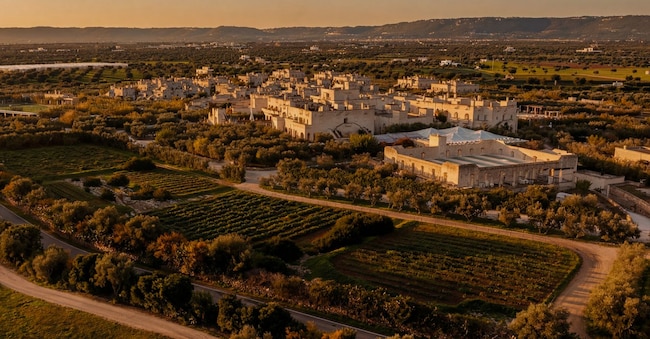
It was back in 2014 when, ahead of other key players in the industry, Relais & Châteaux submitted a manifesto to UNESCO in which it undertook to raise awareness amongst its member hotels of more sustainable practices, both for the environment and in terms of consumption. Today, it has further strengthened this commitment and boasts entrepreneurs and examples that are making history. One such example is Ferruccio Ferragamo and his children Salvatore and Vittoria at Al Borro, a 1,100-hectare agricultural estate with a hotel in the Arezzo countryside: the first major step was the challenge of installing solar panels, which now generate three times the energy consumed, followed by the conversion of vineyards, olive groves and vegetable gardens to organic farming. Il Borro has thus become an almost self-sufficient ecosystem for electricity, water and food: the vegetables supply the restaurant, the flock produces cheese, and there are cows, hens and 150 horses. Surrounding the estate are woods, rivers and a medieval village, where the suites are located alongside a few workshops provided on a loan-for-use basis to support small-scale artisans such as the goldsmith and the cobbler.
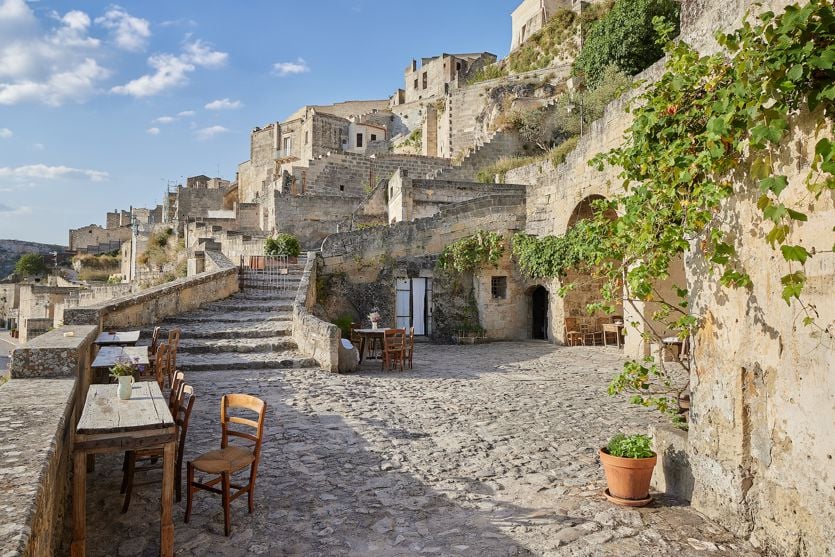
Climate change, environmental protection and overtourism are also having an increasing influence on travellers’ choices: according to Booking.com’s Travel and Sustainability Research 2025, 85 per cent of respondents consider it important to make their travels more sustainable, 74 per cent take the weather into account when choosing a destination, 42 per cent prefer to travel out of season and 25 per cent choose cooler destinations. Another statistic illustrates the scale of this shift: over 100 million nights have been booked on the platform at accommodation with sustainability certification. In response to this new reality, Regenerative Travel was launched in 2019 – a network bringing together independent hotels, agencies and industry professionals to promote tourism with a positive impact and make sustainability a reality, based on a simple idea: it is not enough to minimise damage; we must strive to leave behind more than we found.
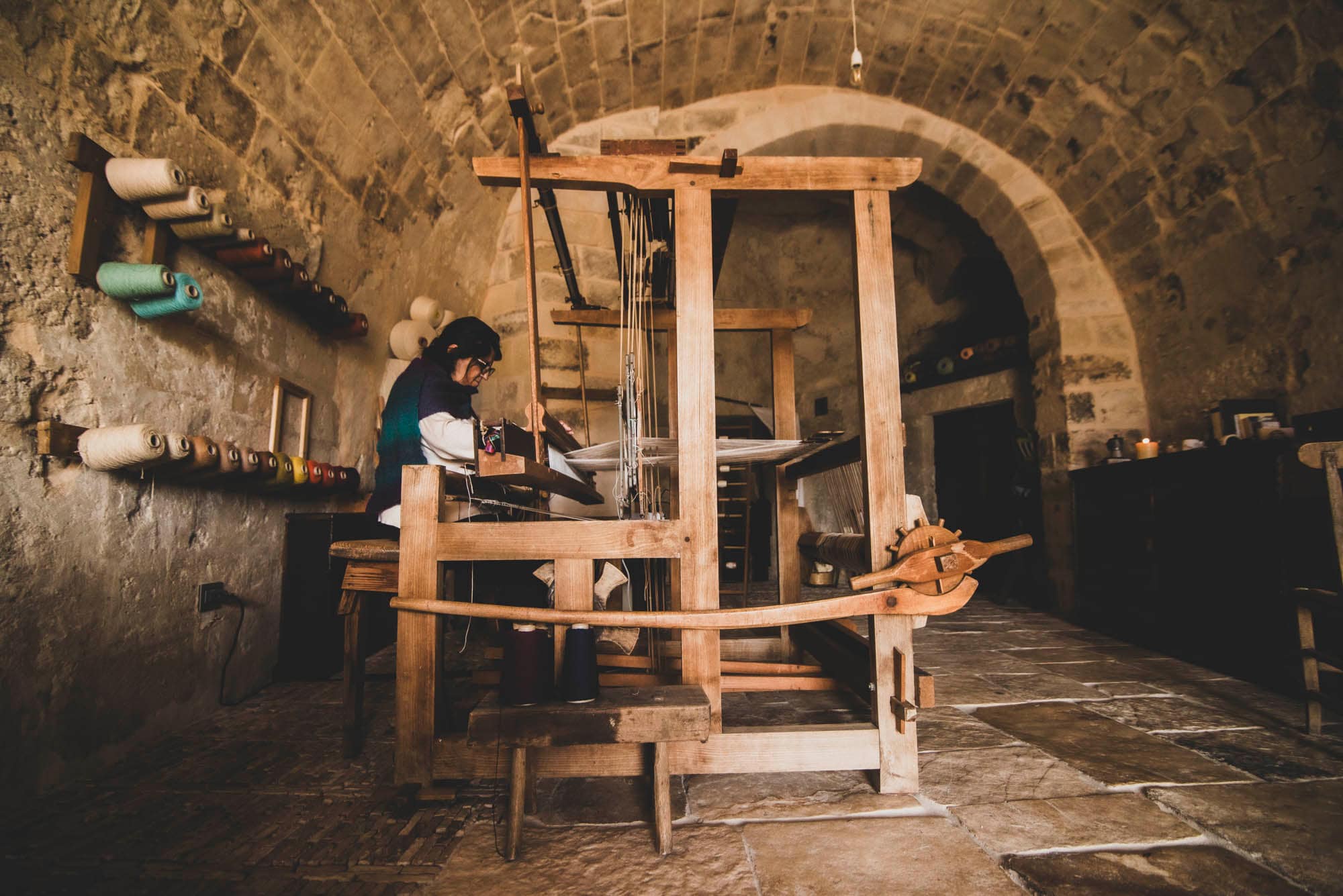
The Borgo Egnazia project
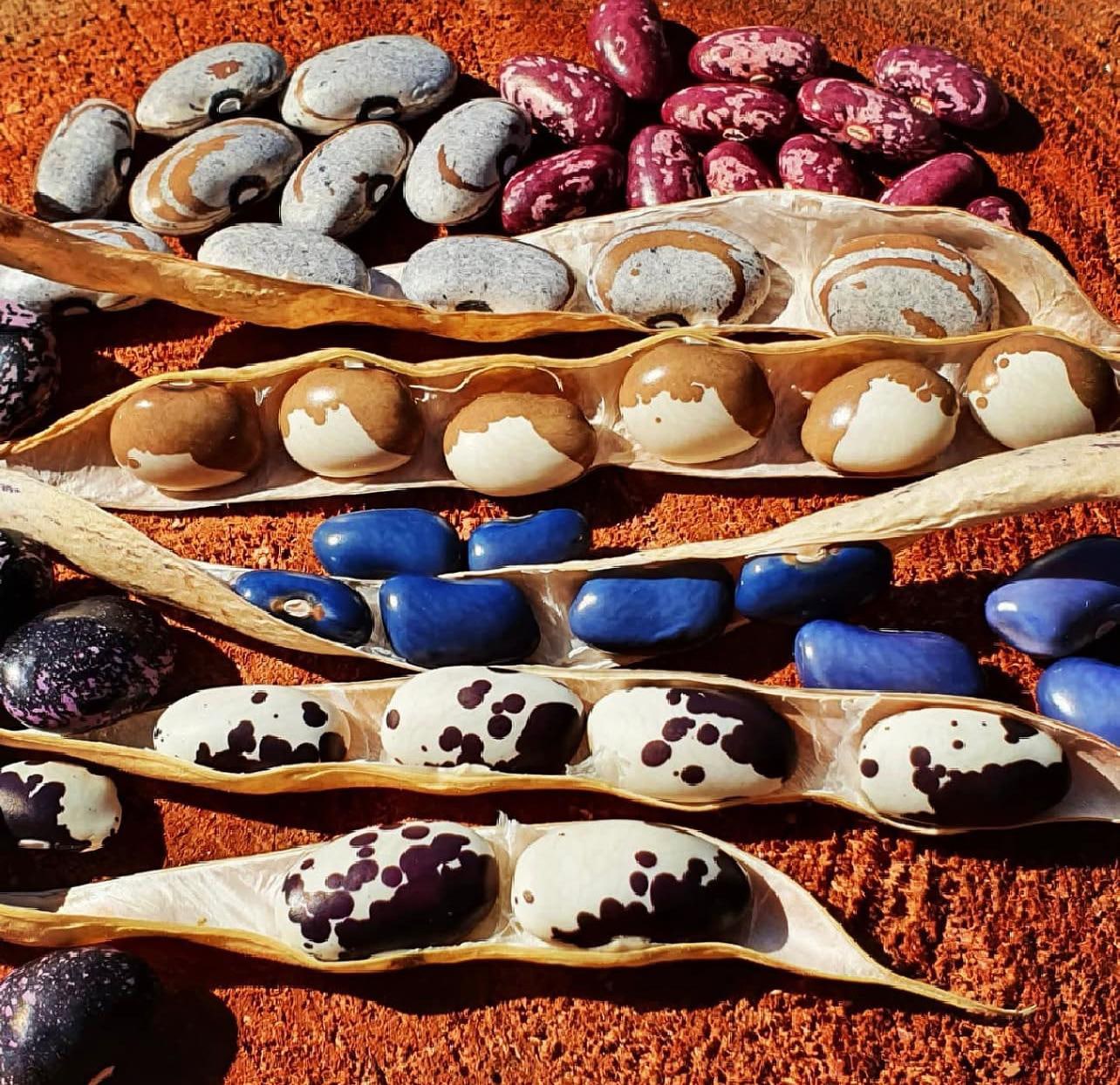
This is the philosophy embraced by Aldo Melpignano at Borgo Egnazia, where a veritable renaissance has been underway since the agronomist and ‘seed saver’ Angelo Giordano joined the team; he is transforming the resort into a virtuous ecosystem, starting with the regeneration of the soil. This is not merely an agricultural project, but a different way of thinking about hospitality, in which biodiversity, waste reduction, local supply chains and wellbeing are all part of the same system. Beehives have been installed, and two compost bins transform 80 kilos of organic waste into fertiliser every day. But the centrepiece of the project is the seed house, where mainly Apulian varieties are preserved, some of which are at risk of extinction. In spring, 500 seeds were planted, including as many as 230 types of tomatoes. Wild herbs and flowers have sprung up around the fields, the first signs of an ecosystem regaining its biodiversity: ‘With this model, the air we breathe and the food we eat improve. Both those who work here and those who stay in a regenerated environment will be better off,’ explains Giordano. The hotel thus becomes a microcosm from which a wider change can begin – a change that starts with a seed and encompasses everything around it.
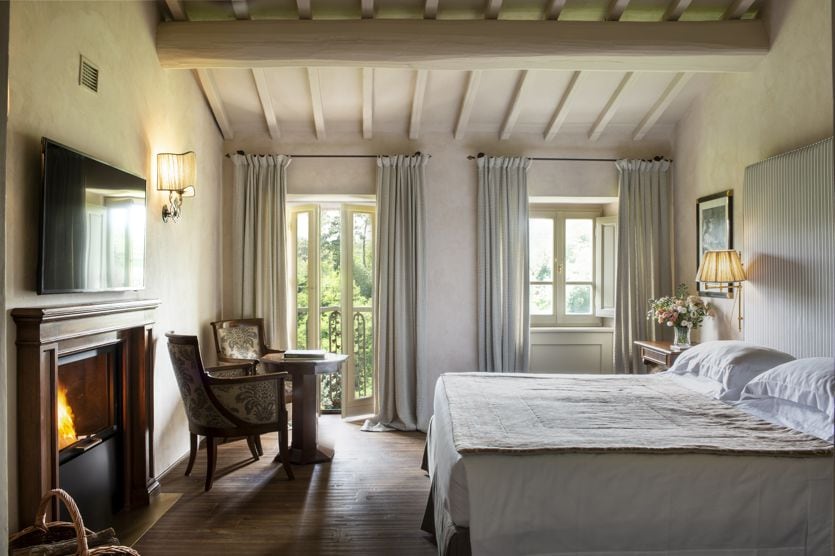
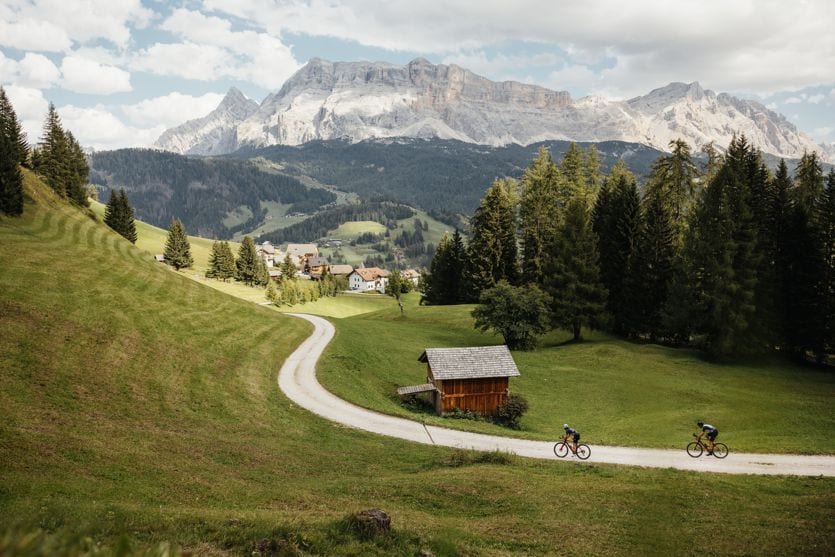
GSTC certification at La Perla di Corvara
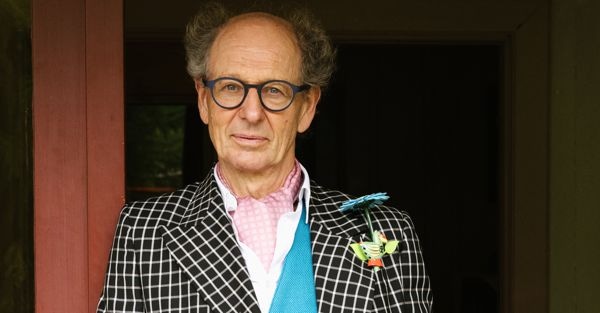
A thinker and environmentalist, Michil Costa, co-owner of the La Perla hotel in Corvara and the La Posta hotel in Val d’Orcia, argues that fragile destinations such as Alta Badia should welcome fewer visitors and limit hotel expansion in order to protect the environment, the community and local identity. For Costa, tourism success is measured by quality, not volume: longer stays, controlled visitor numbers and a more authentic relationship with the local area. Under his leadership, La Perla was among the first five-star hotels to adopt rigorous sustainability standards, achieving GSTC certification and introducing energy monitoring systems, sustainable procurement and environmental management. But Costa is aware that tourism inevitably consumes resources, transforms communities and alters landscapes. For this reason, after 40 projects around the world, the Costa Family Foundation will focus on the areas surrounding the family’s hotels.