
Cyberattacks and false bomb threats: summit at the Ministry of the Interior: ‘They want to destabilise Italia’
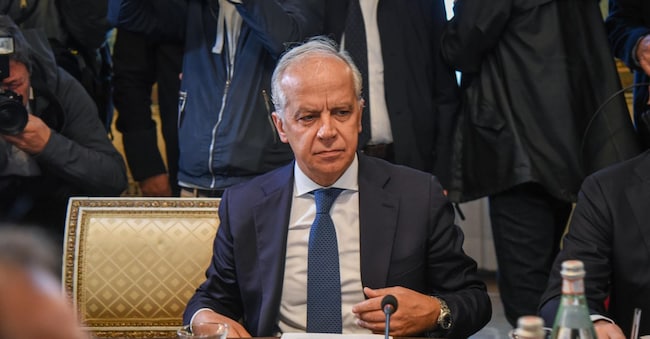
The Minister of the Interior, Matteo Piantedosi, has convened a meeting involving the intelligence services, the police, the Ministry of Defence and the National Cybersecurity Agency. The meeting is examining cyberattacks against European infrastructure and threats to institutions. Investigative coordination has been strengthened.

Key points
It is not just a matter of hacking into computer systems or disrupting digital services. The aim is to fuel a sense of insecurity, put pressure on institutions and undermine their credibility.
This is the common thread that the Ministry of the Interior has identified in the recent spate of cyber-attacks and false alarms that have hit Italia and other European countries. A strategy of destabilisation that has prompted the Minister of the Interior, Matteo Piantedosi, to convene the National Committee for Public Order and Security, bringing together senior figures from the intelligence agencies AISI and AISE, the police forces, the Ministry of Defence and the National Cybersecurity Agency (ACN), headed by Andrea Quacivi. On the agenda were not only the resilience of critical infrastructure and essential services, but also the tactics of an offensive that appears to be increasingly focused on psychological effects and perceptions of security. This assessment, however, remains separate from the attribution of individual incidents: investigative inquiries are still ongoing.
National security: the Home Office’s plan to tackle cyber threats
The response outlined to the Committee is primarily aimed at strengthening coordination between state bodies. The police, intelligence services, the National Cybersecurity Agency and other relevant bodies will need to step up the exchange of information and the coordination of investigative activities, in order to identify threats more quickly and counter their effects.
A second priority concerns relations with public and private sector operators. The aim is to ensure that information on cyber risks is shared more promptly, whilst at the same time stepping up investment in the protection of networks, critical infrastructure and essential services.
The meeting, chaired by Piantedosi, was also attended by the Chief of the Defence Staff, Luciano Portolano, and the National Anti-Mafia and Anti-Terrorism Prosecutor, Giovanni Melillo. This line-up reflects the now cross-cutting nature of the threat: cyber security is no longer merely a matter of technological protection, but directly affects public order and national security.

