Ideas for cycling trips in Sanremo with the Italian ‘Oscar’ of cycle tourism
The Trasimeno Cycle Route has won the 2026 Green Road Award, followed by Puglia for the GAG – Gargano Circular Route; third place was shared by Piedmont for the Ciclovia del Mare and Lazio for the Ciclovia Etruria

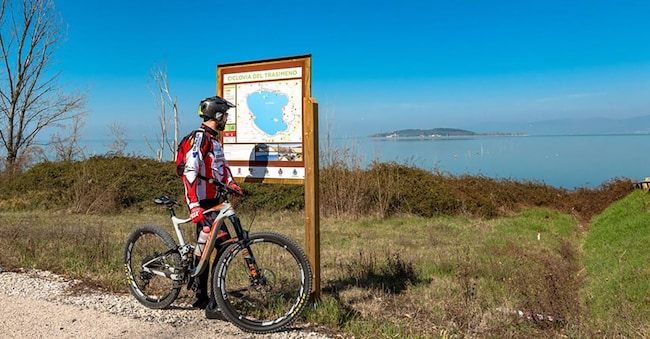
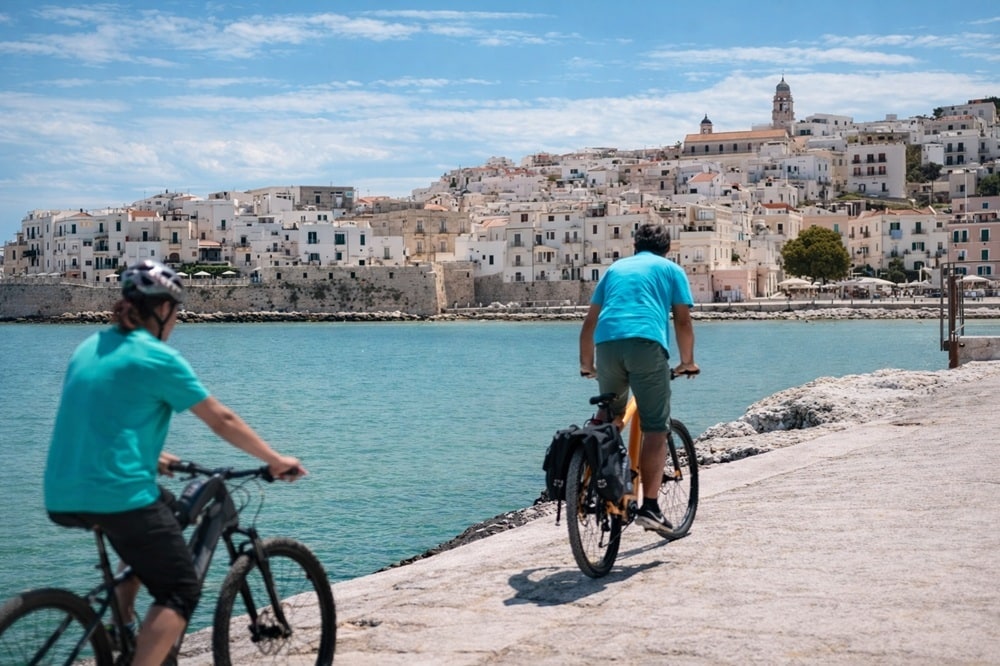
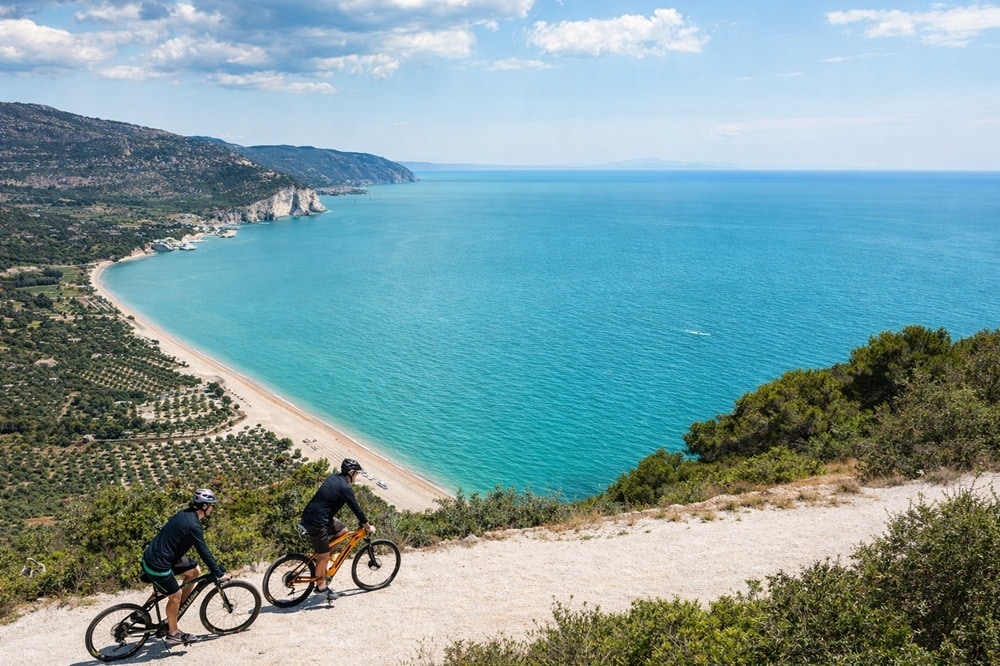
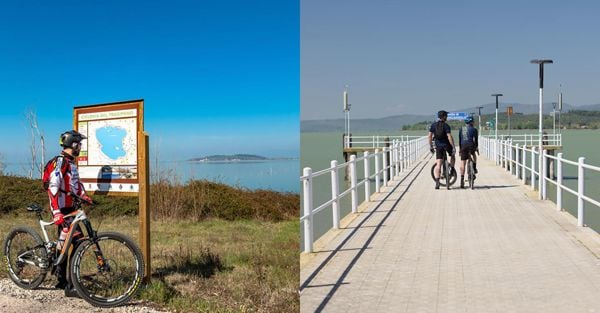
The 2026 Green Road Award goes to Umbria for the Ciclovia del Trasimeno, the eleventh edition of the Italian ‘Oscar’ of cycle tourism (with 33 entries in the running), ahead of Puglia for the GAG – Giro ad anello del Gargano, with Piedmont and Lazio tied for third place for the Ciclovia del Mare and the Ciclovia Etruria respectively.
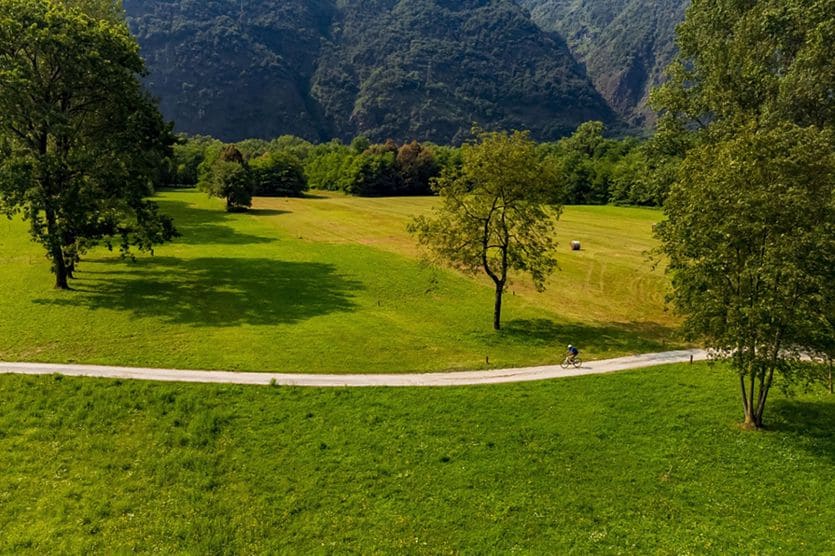
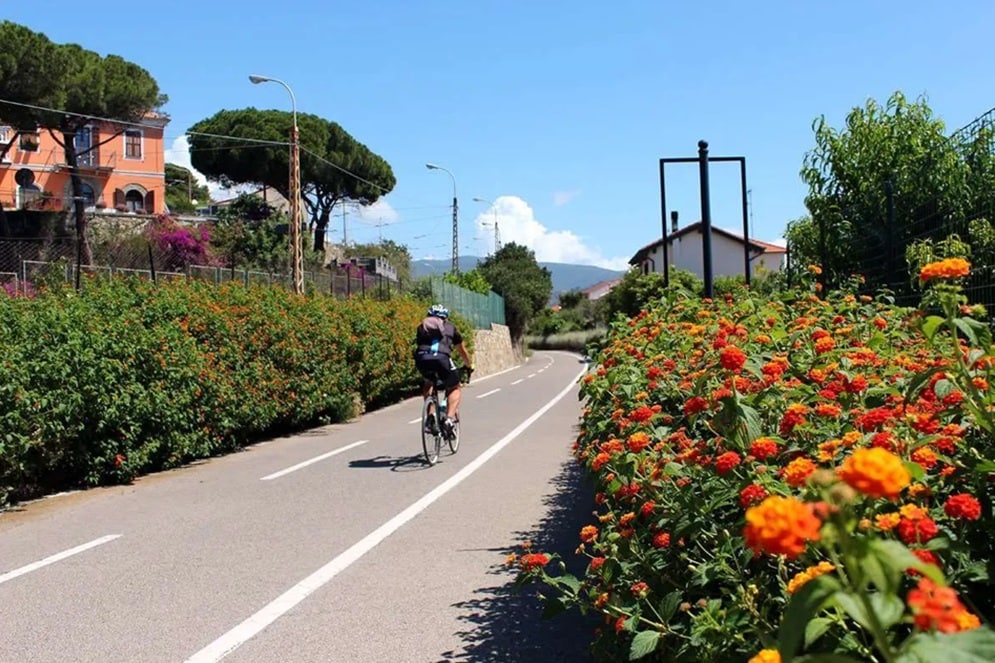
The awards ceremony for the ‘green routes’ in the Italian regions that have distinguished themselves through their focus on ‘slow’ tourism provided an opportunity to officially open the final missing section, from Imperia to Diano Marina, of last year’s winner, the Cycling Riviera, and to award special mentions to certain routes, including the Gran Sasso Horse Trail in Abruzzo and the Cammino del Normanno in Calabria (also suitable for cyclists). Finally, France was recognised as the ‘bike-friendly’ foreign destination thanks to iconic cycling routes such as the Loire à Vélo and the ViaRhôna.
Discover the charm of the City of Flowers in a day
It takes as little as 24 hours to soak up the authentic atmosphere of Sanremo and discover its most evocative and iconic sights, starting with the Church of Christ the Saviour, also known as the Russian Orthodox Church, which, with its distinctive brightly coloured onion domes and gilded details, almost looks like a piece of Moscow (in the early 20th century, the Russian aristocracy settled in many towns along the Ponente coast and the Côte d’Azur) nestled on the Ligurian Riviera.
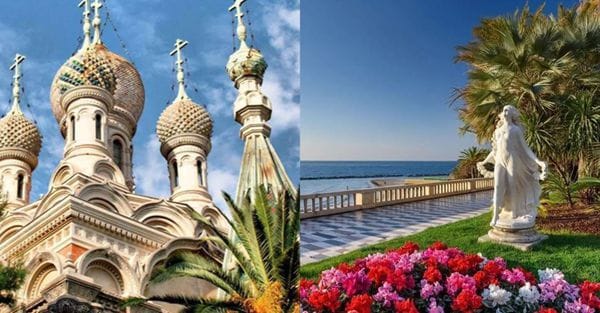
A stroll along the seafront on the so-called Passeggiata dell’Imperatrice (named in honour of Maria Alexandrovna, wife of Tsar Alexander II) is a chance to immerse yourself in one of the city’s most elegant spots, amidst gardens and historic views. And the Casino is, of course, historic – one of Sanremo’s most famous landmarks, which can be visited free of charge even without sitting at the gaming tables: opened way back in 1905, it remains to this day a splendid example of Art Nouveau architecture with Art Deco influences.
From the Festival venues to the stone of old Sanremo
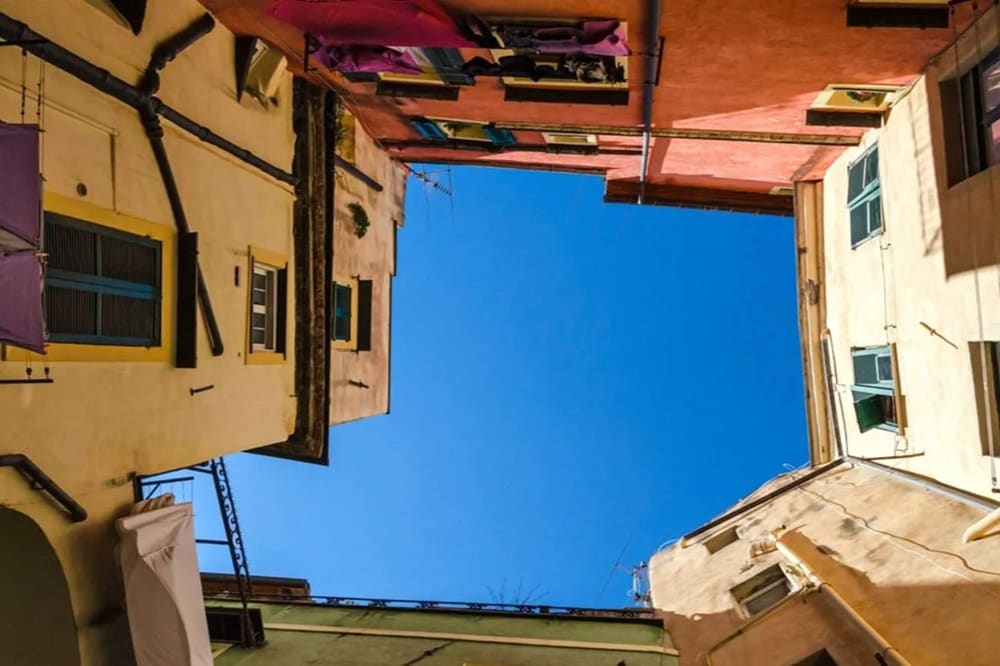
Corso Matteotti is the main pedestrianised street (not coincidentally also known as ‘La Vasca’) and the beating heart of the city, with its shops and bars, historic buildings and plaques dedicated to the winners of the Italian Song Festival, which is held at the nearby Ariston Theatre, the cinema-theatre, which opened in 1963 and can accommodate almost 2,000 spectators for its various events (including the prestigious Tenco Prize). The unmissable stop to discover Sanremo’s narrow alleyways, stairways and stone arches is the La Pigna district, the historic, medieval heart of the town that winds its way up the hills; its name derives from the distinctive shape of the village – resembling a pine cone, as the name suggests – and is accessed via the Porta di Santo Stefano.