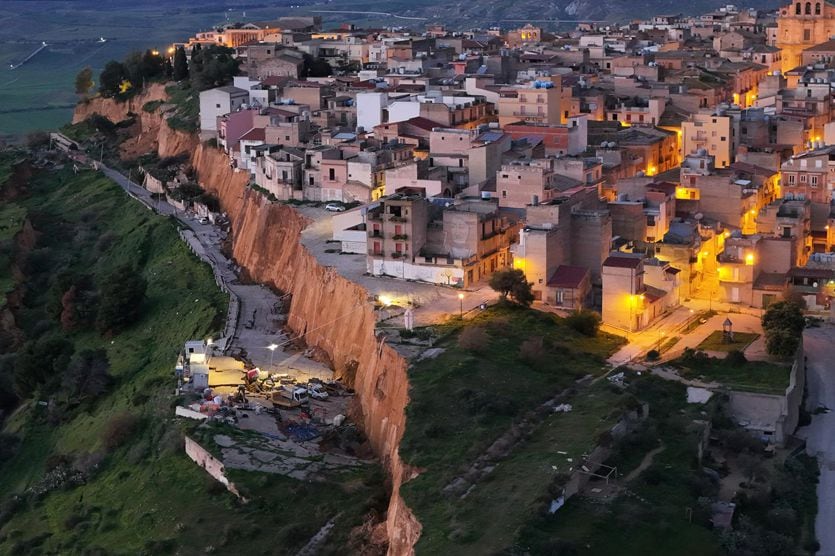
Cyclone Harry: over 2 billion in damage and a risk of a fall in GDP for Sicily, Calabria and Sardinia
Businesses and enterprises destroyed in Sicily, Sardinia and Calabria. Tourism and agriculture are the hardest-hit sectors. Businesses are sounding the alarm: immediate action is needed, with nearly 2 billion in potential further losses due to the halt in production. The issue of compensation under natural disaster insurance policies

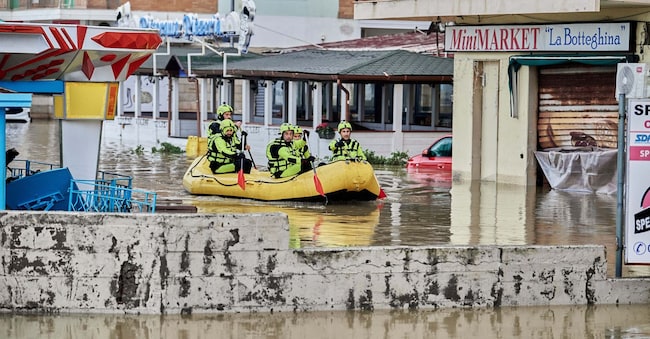
PALERMO – The sea has taken everything: the beach, the houses, the lidos, the streets. And it threatens to take away hope as well. Because the disaster is plain for all to see. In Sicily, Cyclone Harry has struck hard: from Messina to Capo Passero, but also across western Sicily, with the worst of it in the Messina and Catania areas (including the provincial capital).
In short, Sicily’s tourism industry is in a right mess. We need to start here to take stock, to work out what needs to be done now to salvage what we can, to get the tourism sector back on its feet, and to prevent this disaster from having long-term consequences, with tourists abandoning Sicily as a destination, never to return.
But the same applies to Calabria and Sardinia. And the same applies to other sectors as well: agriculture, first and foremost.
The total estimated damage across the three regions currently stands at around two billion, but the figure is subject to change: following the latest meeting of the crisis management committee set up by the President of the Sicilian Region, Renato Schifani, the estimated damage stands at just over one billion. However, it is clear that the total is set to rise.
There is another factor to consider, however, and it concerns Gross Domestic Product, particularly if swift action is not taken to get production back on track: the true economic impact of Cyclone Harry lies, in fact, in the loss of production output.