
Dacia looks to 2030: four new electric cars and the Striker crossover arrive
The Renault Group brand announces its strategy for the coming years: focus on the C segment, affordable electrification and the debut of a new sub-18,000 euro model
Dacia, Renault Group, has charted the course that will accompany it until the end of the decade. The numbers say that the formula works: the Sandero is the best-selling car in Europe and the customer loyalty rate is among the highest in the market. To maintain this advantage, the 'futuREady' strategy relies on pragmatic growth that does not abandon the low-cost philosophy, but adapts it to new market demands.
The central pillar of the plan is electrification. Four new 100% electric models will debut by 2030. It starts already this year with a new A-segment citycar: a car developed in record time (less than 16 months) that promises to make zero-emission mobility truly democratic, with a starting price set at under EUR 18,000.
In parallel, electrification will involve two-thirds of the brand's total sales through smart hybrid solutions. In this context, the Sandero is also preparing for its next chapter: the new generation will maintain a 'multi-energy' approach, offering different powertrains to suit the infrastructure and pockets of customers in the various European markets.
Striker: the new face in the C-segment
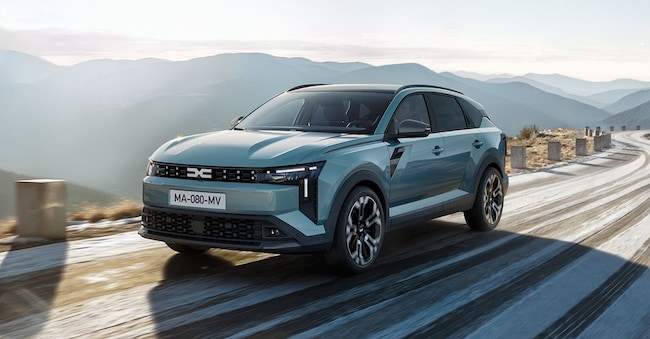
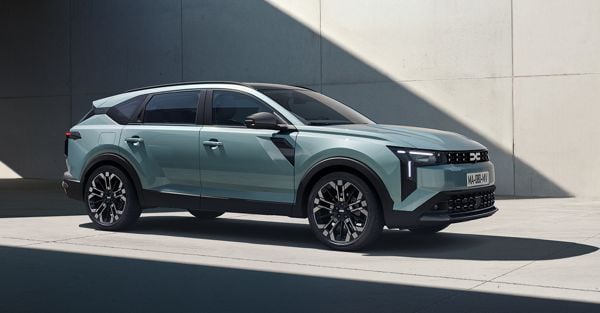
The most concrete novelty in this announcement, however, is the Dacia Striker. It is a 4.62 metre long crossover that tries to mix the cards: it has the space of a station wagon, the practicality of a saloon and the ground clearance typical of SUVs. Aesthetically, it has more aerodynamic lines than the Bigster, with which it will share the C-segment.
The Striker will be available in LPG, hybrid and 4x4 hybrid versions, with an expected strike price of less than €25,000. The name chosen recalls the idea of 'striking', underlining Dacia's aim of hitting the mark in a market segment that is usually very expensive.

