
From fridges to AI chips: how Samsung came to be worth a trillion
An achievement that demonstrates the group's ability to simultaneously innovate in semiconductors, smartphones, displays and consumer electronics
by Biagio Simonetta
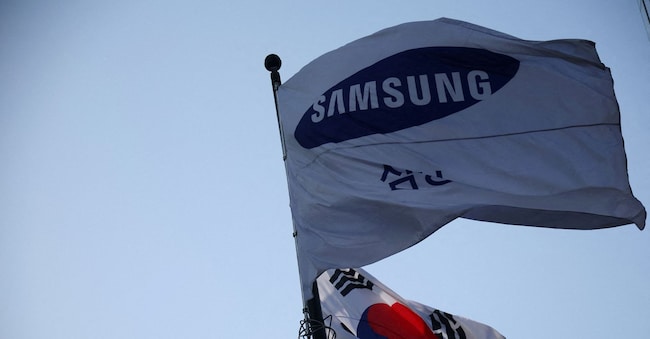
Come to think of it, it was the big absentee. Because in terms of degree of innovation, market presence and historicity, Samsung cannot but belong to the club of the biggest global technology companies. And now, in the club, it is also there from a financial point of view, as it has entered the select club of trillion dollar capitalisation companies. The famous trillion dollar companies.
This milestone comes after a year in which the stock has more than quadrupled in value, driven mainly by demand for artificial intelligence-related chips. Yet, reducing the South Korean giant's growth to the AI boom alone (where it dominates for the production of memory chips) risks being limiting. Because the group is one of the few global technology giants to have a transversal industrial and commercial presence, ranging from semiconductors to smartphones, via televisions, home appliances, displays, batteries and electronic infrastructure.
Loading...
The 'trillion dollar' threshold, previously only reached in Asia by Taiwan Semiconductor Manufacturing Company (aka TSMC), comes at a time when Samsung has returned to centre stage in the global technology supply chain. The semiconductor division posted record profits in the first quarter of 2026 thanks to orders related to AI data centres, while the market continues to bet on sustained demand for advanced memories such as DRAM and NAND.
Samsung is now the world's largest manufacturer of these memory chips, a component that has become strategic in the AI era. Large language models require huge amounts of high-performance memory..
At the same time, Samsung remains a group that continues to innovate in very different segments. In smartphones, the Galaxy line was among the first to push foldables on a large scale. In displays, the company played a pioneering role in the development of OLEDs. In consumer electronics, it continues to be one of the brands most present in homes, from televisions to connected appliances and hoovers. It is this ability to simultaneously preside over hardware, industrial production and advanced technology that makes Samsung an almost unique case in the contemporary technology landscape.


Brand connect
Loading...
