
From the eco-bonus to charging points: this is how the EU’s energy flexibility could be spent
A substantial section is devoted to the construction sector: it accounts for 65 per cent and covers the thermal energy scheme. The Brussels list, to which the Dpfp refers, includes investments in nuclear power stations and mechanisms such as the Energy Release scheme

Key points
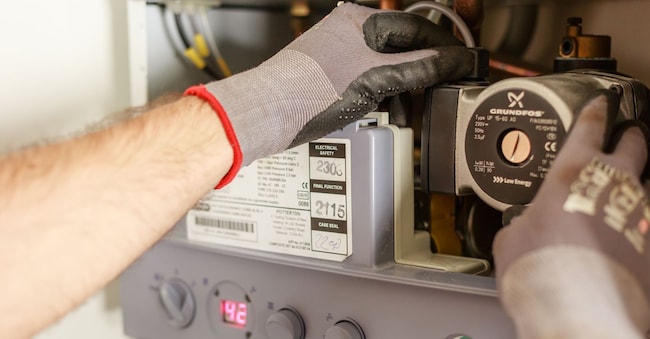
The installation of heat pumps and the replacement of fossil-fuel-fired boilers. But also the refurbishment of public buildings, the wider roll-out of charging points, investment in nuclear power and incentives for the decarbonisation of the production system, with the expansion of schemes such as the Energy Release. Pending the finalisation of a detailed list, the budgetary flexibility granted by Brussels to Italia in the energy sector already has a very precise scope within which to operate: this is set out in the guidelines published by the European Commission on 18 August. These guidelines contain a catalogue of measures to which the Public Finance Policy Document (DPFP) now explicitly refers.
The construction industry
It should be emphasised that the list is not exhaustive. Consequently, Italia may request that further measures be introduced. The measures mentioned, however, form the basis on which work is currently being carried out. The first element concerns the construction sector. This involves incentives for heat pumps, which will likely be extended to include hybrid systems (which combine a boiler and a heat pump), the replacement of fossil-fuel boilers, the energy retrofitting of public and private buildings, domestic storage systems (connected to solar panels) and charging infrastructure for electric vehicles. These areas are linked to various schemes, such as the ‘ecobonus’ increased to 65 per cent for the installation of heat pumps, or the revision of the ‘Conto Termico’ scheme for the energy retrofitting of public buildings. However, with regard to the ‘Conto Termico’ itself, for the private sector, consideration is also being given to possible corrections to certain issues that have emerged in recent months, as highlighted, for example, by Assotermica, the Anima Confindustria association representing manufacturers of heating system appliances and components.
The production and storage of clean energy
A second strand concerns the production and storage of clean energy. This chapter covers investment in renewable energy (such as solar and geothermal), electrochemical storage, hydrogen, renewable fuels, and contracts to promote low-emission energy production. And, above all, in nuclear power. Investments in nuclear power stations are, in fact, explicitly mentioned by Brussels as one of the areas covered by the flexibility provisions. However, it will be necessary to assess the timelines for any potential projects, even after the enabling bill has been approved by Parliament.
Sustainable energy and transport infrastructure
The third area relates to sustainable energy and transport infrastructure: this includes electricity grids, hydrogen transport infrastructure, energy flexibility and security systems, rail, underground and tram networks, and public electric vehicle charging infrastructure.
Resilience and decarbonisation
Finally, there is the strand relating to the resilience and decarbonisation of the production system. This category could include, for example, incentives for industrial decarbonisation technologies and investments aimed at reducing dependence on fossil fuels, as well as measures to strengthen the physical and cyber security of energy infrastructure and supply chains. It is precisely under this umbrella that the extension of the ‘Energy Release’ scheme might fall – the mechanism managed by the GSE that guarantees energy-intensive businesses energy supplies at a capped price, provided they commit to building new renewable energy plants in the coming years.


