
Touch screens dangerous in cars, China forces return of physical buttons
Aiming to reduce distractions and increase safety, marking the end of the full-touch minimalism criticised by many

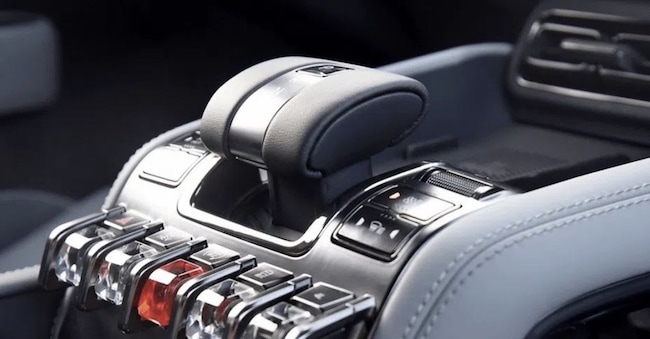
The long trail of new regulations to ensure safety behind the wheel continues in China. The Ministry of Industry and Information Technology (MIIT) has announced a new regulation requiring manufacturers to reintroduce physical controls for essential vehicle functions. The measure, which updates the national GB4094 standard, will become mandatory for all newly manufactured vehicles from 1 July 2026. In recent years, Chinese electric vehicle manufacturers had embraced a minimalist design, moving almost every control to large central screens. A trend criticised even by Geely's Vice President as 'blindly following fashion'. The new law aims to reduce visual distractions by ensuring that drivers can operate the main controls 'blindly' through haptic feedback.
According to the draft MIIT, it will no longer be permitted to rely solely on the screen for the following operations: direction indicators, hazard lights and horn; gear shifting - the P/R/N/D positions must have a physical control (software-only gear shifting is prohibited); windscreen wipers, defrosters, window lifters, emergency call and the electrical system cut-off switch, as well as the activation of advanced driver assistance systems (ADAS). The regulation also specifies strict technical details: the buttons must have a minimum operating area of 10x10 mm and must function even in the event of a crash of the operating system or loss of power to the vehicle. This decision, coupled with the recent ban on cloche steering wheels scheduled for 2027, marks a clear return of China to pragmatism and road safety, ending the era of digital aesthetics at the expense of ergonomics.

