
Dark spots and photoageing: what happens to the skin after the summer. New technologies

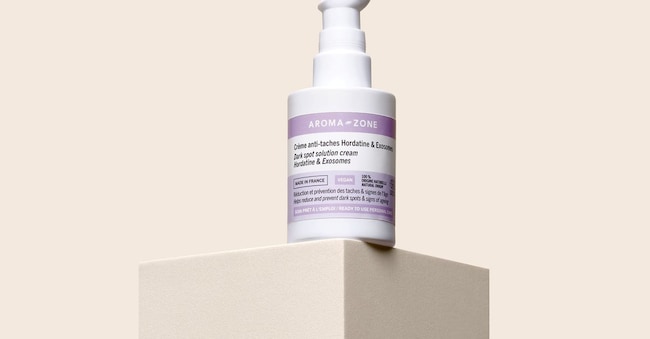
As summer draws to a close and our tan gradually fades, certain skin imperfections may become more noticeable. Blemishes, discolouration and variations in skin tone – which appeared less pronounced during the summer months – become more evident, along with a less even skin texture and a loss of radiance in the complexion. This phenomenon forms part of the broader concept of photoageing, that is, the range of skin changes associated with repeated exposure to solar radiation. Over time, photodamage can affect not only pigmentation but also the texture and evenness of the skin’s surface.
What happens to the skin when exposed to the sun
“During the summer, the skin activates various defence mechanisms,” explains Dr Giovanni D’Alessandro, a cosmetic doctor practising in Milan and Conversano (Bari). “Exposure to the sun primarily stimulates the production of melanin, but this is not the only change. Keratin levels also rise, leading to a thickening of the epidermis, and the skin’s blood supply changes. All these factors affect the way light is absorbed and reflected.” This is also why a tanned face may initially appear more even-toned, whilst as the complexion gradually lightens, differences in pigmentation and uneven areas become more noticeable.
Diagnosis comes before treatment
Talking generically about ‘spots’ can be misleading. In fact, there may be different mechanisms underlying a change in colour, and identifying them correctly is the first step before any treatment. ‘It is essential to establish the nature of the change,’ emphasises D’Alessandro. “A pigmented patch, known as melasma, is darker and very different from a patch caused by thickening of the epidermis, known as hyperkeratosis, as well as those caused by increased blood flow, known as erythrosis. There are specific lasers for each of these types of discolouration, and only their skilful use leads to an improvement in the skin’s health.”

