
Data Protection Authority: use of CCTV cameras for traffic offences banned
The Authority has also addressed the issue on social media, stating that the consent of both parents is required to share images of children under the age of 14

Key points
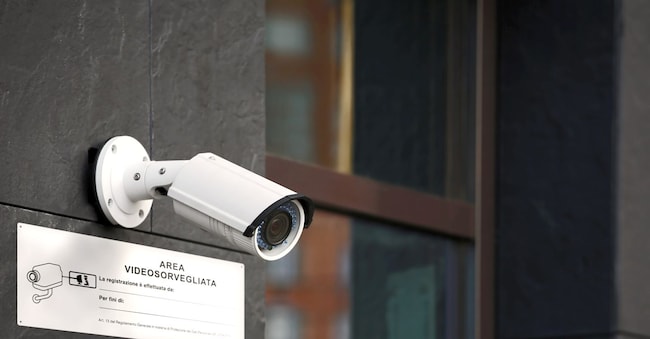
Footage from CCTV cameras installed by local authorities for urban security purposes may not be used to establish breaches of the Highway Code. However, it is permitted to store and use the footage if, in the course of a road traffic accident, conduct constituting a criminal offence occurs. This was stated by the Data Protection Authority, which issued a warning to the Municipality of Reggio Calabria for having used footage from several CCTV cameras to establish the liability of those involved in a road traffic accident and to charge a motorist with a breach of the Highway Code.
CCTV cameras that continuously film public streets over a wide area are, in fact, subject to a specific purpose limitation, namely the prevention and combating of widespread and predatory crime. Any further purposes, therefore, may only be pursued where there is an appropriate legal basis governing the processing of the data.
The Authority therefore considered that the use of the images by the Municipality of Reggio Calabria had taken place without an appropriate legal basis, in breach of the principles of lawfulness, fairness, transparency and purpose limitation. The sending of the same video footage to the Motor Vehicle Licensing Agency for the purposes of a possible review of the driving licence was also unlawful, as this is not provided for in the Highway Code or other relevant provisions. Furthermore, the injury caused by the driver had been assessed as requiring ten days’ recovery, constituting a case of minor injuries. In the absence of a private prosecution, therefore, there were no grounds for criminal proceedings.
Protecting children online
To sharing on social media images depicting children under 14 years of age requires the consent of both parents. Once they reach the age of 14, children can decide for themselves on the online sharing of their own images. This has been reiterated by the Data Protection Authority, which commented on the case of a mother who had posted on Facebook some photographs of her children’s everyday lives. The father, with whom the woman shares custody of the children, had lodged a complaint. He argued that his ex-wife’s behaviour constituted a form of sharenting which could expose the children to risks of abuse and compromise their future digital self-determination. However, the emotional purpose of the sharing, the limited number of photographs and the fact that the profile was set to ‘private’ are not relevant, as the content could still be disseminated and made visible.

