
Dear diesel, a decree on variable excise duties is on the way
The proceeds from the scheme will be recorded in the accounts in the coming days. The possibility of a voucher being provided as an employee benefit is being considered, but there are a number of practical difficulties involved

Key points
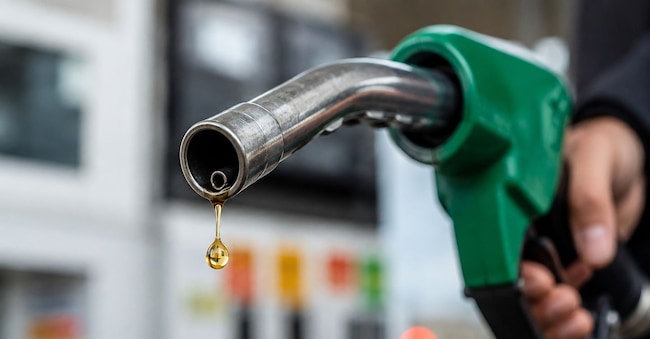
Whilst waiting to resolve the conundrum of high fuel prices through targeted measures, the government is trying to buy time by making use of the ‘floating excise duties’, the ‘windfall’ will be accounted for in the coming days and will allow the 17-cent discount on diesel – with which the government has sought to ease the burden at the pump for Italians returning from their summer holidays – to be extended for a little while longer. Those tasked with calculating the additional VAT revenue for August are hoping that the figure will be higher than the 20.5 million on which the interministerial decree is based – a decree signed by the Minister for the Economy, Giancarlo Giorgetti, and by his colleague for the Environment and Energy Security, Gilberto Pichetto Fratin, which allowed the discount – decided at the start of the month by the Council of Ministers – to be extended by two days (25 and 26 August). This is also because, it is pointed out, international price rises continued throughout August, with clear implications for the cost of petrol and diesel; however, these have not altered the holiday habits of Italians, whilst they have had a significant impact on inflation (as reported in the other article on this page).
Towards more selective interventions
With the new extension, made possible by the ‘floating’ excise duties, the government therefore hopes to gain a few more days (in all likelihood a week) in order to lay the groundwork for the second half of the process, which – according to the consensus within the majority – will focus on more selective and tailored measures for the sectors most at risk and those on the lowest incomes.
Divisions within the majority
But which ones? The range of possibilities is wide, but at the moment there are no certainties, not least because any proposal will first have to take account of the resources available. This is an issue on which, as is well known, there is no shortage of divisions within the centre-right, with Forza Italia continuing to block any attempt at top-down taxation (i.e. on windfall profits) of the oil sector. This sector has already provided, through the advance tax on dividends introduced by the latest excise duties decree, the funding needed to extend the current tax cut, which is due to expire on 5 September.
The hypotheses under consideration
The solutions under consideration, therefore, are varied, and these include the possibility of a fuel voucher granted as an employee benefit. The scheme has already been tried in the past, but this time it would come into effect as the year draws to a close, with the risk that the budget companies set aside for this type of support might already have been exhausted. Not to mention that selecting beneficiaries via the ISEE could turn the support into yet another handout to tax evaders, as the system has never been a guarantee of fairness and risks failing to distinguish between those in genuine difficulty and those who are not. A similar problem could also arise with the other proposal currently being discussed: an ad hoc measure within the ‘Dedicata a te’ card scheme: a solution that would certainly provide aid very quickly but which, due to its nature, could exclude those who use their cars regularly and are struggling to cope with the rises in diesel and petrol prices, yet do not benefit from the tax relief.


