
Fuel costs for fish catches soar as diesel prices for fishing vessels rise by 200 per cent
According to Confcooperative, the price ranges from 1.30 to 1.70 euros per litre. The highest price was recorded in Lavagna, in Liguria

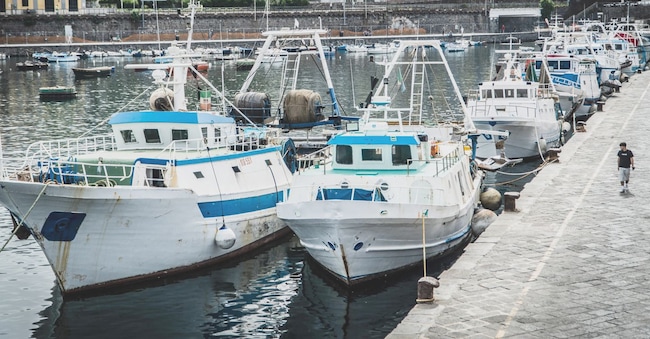
‘Rather than getting into debt, it’s better to hold off.’ In Porto Empedocle, in the Agrigento area, fishermen are complaining about the sharp rise in the cost of diesel for fishing vessels, which, according to Confcooperative Agroalimentare e Pesca, has risen by up to 200 per cent. The price ranges from 1.30 to 1.70 euros per litre – a peak recorded in Lavagna, in Liguria – forcing fishing fleets to plan their trips at sea to mitigate the impact of high energy costs.
The fishermen’s protest
In Sicily, fishermen are staging fierce protests, just as Eni, Ip and Q8 have announced price caps on road transport fuels. However, these price caps do not apply at ports where fishing vessels and commercial craft refuel. The fishing fleet therefore remains vulnerable to rises in diesel prices.
“The conditions are no longer in place for us to go back out to sea. The high cost of fuel has brought the fishermen to their knees,” says Giovanni Manganella of the UIL trade union, who took part in the sit-in at the Crispi quay in Porto Empedocle. “Prices have skyrocketed. Our engines run for several hours at a time: for every single trip, we spend around 1,500 euros on fuel, plus other staff costs, to bring in perhaps 2,000 euros’ worth of catch,” observes shipowner Rosario Castronovo.
The impact
Confcooperative explains that the impact of high fuel prices is particularly severe for the fishing fleet. An average 350-kilowatt fishing vessel, operating for around 140 days a year and 15 hours a day, can consume up to 180,000 litres of diesel a year, resulting in a total cost increase of 45,000 euros. Fuel, which in the 2000s accounted for 20 or 30 per cent of operating costs, now accounts for over 60 per cent: the pressure on costs could lead to a 25–30 per cent reduction in gross profit.
Unease is therefore growing amongst fishing fleets, particularly in Calabria and Sicily. In many ports, operations are running at reduced capacity to minimise fuel consumption. The economic impact of high fuel prices will be temporarily alleviated by the fishing ban, in force from 1 to 30 October in the Tyrrhenian Sea – and therefore in Lazio, Tuscany, Liguria, Campania, Calabria, Sardinia and parts of Sicily – and in certain areas of Puglia. In the Adriatic, however, where fishing has only recently resumed, fishermen find themselves forced to constantly check weather apps to assess sea conditions. When the sea is rough, fuel consumption rises and going out to sea risks becoming counterproductive.

