
Declaration 2025, Revenue vademecum: clarifications on the furniture and household appliance bonus
The deduction is 50 per cent of the expenses incurred and for the year 2024 is calculated on a maximum amount of €5,000, regardless of the amount of the expenses incurred for building renovation work

4' min read
Key points
4' min read
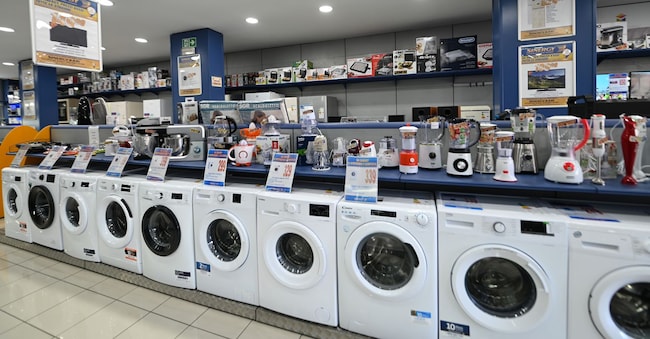
The Inland Revenue Agency has published vademecums to guide citizens on the tax bonuses planned for the 2025 tax declaration season. One of these concerns the Furniture and household appliances bonus. Taxpayers who benefit from the deduction envisaged by the Tuir (Article 16 bis) for building renovation work are entitled to a deduction of 50 per cent of the expenses incurred for the purchase of furniture and large household appliances aimed at furnishing the property subject to building renovation work (the so-called furniture bonus).
Here are some of the indications given.
Favourable goods
.The benefit applies to the purchase, even if made abroad, of furniture and large household appliances that have certain energy efficiency classes. The benefit only applies to expenses incurred for the purchase of new furniture or large household appliances. To give a few examples, "furniture" eligible for the benefit includes: beds, wardrobes, chests of drawers, bookcases, desks, tables, chairs, bedside tables, sofas, armchairs, sideboards, as well as mattresses and lighting equipment, insofar as they constitute a necessary addition to the furnishings of the property being renovated. On the other hand, purchases of doors, flooring (e.g. parquet), curtains and draperies, and other furnishing accessories are not eligible for aid.
Deductibility limits
.The deduction is 50 per cent of the expenses incurred and for the year 2024 it is calculated on a maximum amount of €5,000, regardless of the amount of the expenses incurred for building renovation works. This limit is related to each individual building unit subject to 'renovation', including appurtenances, or to the common part subject to the intervention. A taxpayer who carries out interventions on more than one building unit is entitled to the deduction several times. In the case of building renovation works involving the amalgamation of more than one dwelling unit or the subdivision of a single dwelling unit into several properties, for the purposes of identifying the expenditure limit for the purchase of furniture and large household appliances, the property units registered in the Land Registry at the beginning of the building works and not those resulting at the end of the works must be considered.
The deduction not used in whole or in part is not transferred
.For purchases of furniture and large household appliances made in 2024, any expenses already incurred in the previous year must be taken into account for the purposes of verifying the €5,000 expenditure limit if they are connected to building works carried out in the same year, provided that there is capacity in the current year's ceiling. On the other hand, any expenses incurred in the year 2023 are not taken into account if they are related to building works carried out in 2022 that did not continue in 2023. The deduction is to be apportioned among those entitled to it and is enjoyed in 10 equal annual instalments. Unlike the expenses for building renovation works, the deduction not used in whole or in part is not transferred either in the event of the taxpayer's death or in the event of disposal of the property subject to building renovation works. This is also the case where, with the transfer of the building, the remaining instalments of the deduction of building renovation expenses are transferred to the purchaser. However, the taxpayer may continue to benefit from the unused portions of the deduction even if the house undergoing building renovation is sold before the entire period for taking advantage of the benefit has elapsed.

