
Deco Industrie, revenues to 258 million (+12%) in 2025
The cooperative specialises in own-brand and third-party consumer packaged goods
by Enrico Netti
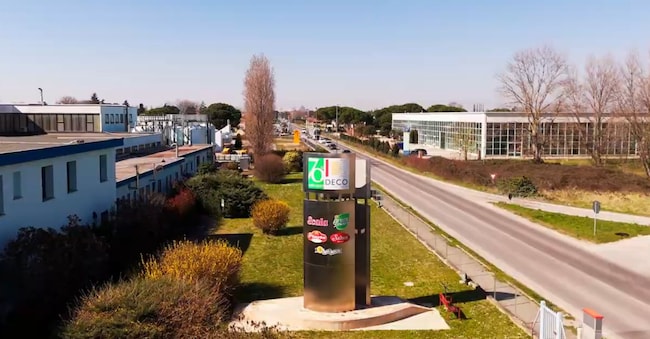
A consolidated figure of 258 million, up 12% on the previous year. This is the preliminary result of Deco Industrie, a cooperative specialising in the production of packaged consumer goods in the food, detergent and cosmetics sectors. The cooperative thus confirms the trend of the last few years, which recorded +33% in revenues over the three-year period. The 2026 budget foresees a consolidation of the 2025 results. The company's specialisation is in third-party production, those with the distributor's brand, to which is added that with the company's own brand.
"Such positive figures highlight a growth trend that has been going on for three years with extraordinary results," emphasises Stanislao Giuseppe Fabbrino, CEO of Deco Industrie. "We maintain the extremely prudential logic that distinguishes us, but we can say that we are a healthy company and that all the individual plants have worked very well, and for this I would like to thank every single worker.
The company operates through two divisions: the food division reached a turnover of 106.5 million (+6% on the previous year) thanks to the results achieved with private label production. Double-digit growth for the non-food division, which saw revenue of 151 million (+15%), also due to the acquisition of the Noale plant by the subsidiary Packaging Imolese, which recorded a turnover of 91 million (+30%).
These figures show strong growth in volumes and revenues in a complex economic and competitive environment. During the year, the cooperative saw the number of members increase to 264 from 250 in 2024.
'We are a modern and healthy production reality,' emphasises Antonio Campri, president, 'also thanks to the significant investments (over 56 million ed.) made in the last decade. In 2026 we will invest almost 900,000 euro, and we have been able to anticipate the adaptations required by more stringent hygiene and safety regulations for some plants, and this allows us to look serenely to the future'.

