
Decontribution to the South, web tax, IRES and rebates: rush of final adjustments to the manoeuvre. Opposition writes to Fontana
Budget law. Reduced funding for the Mezzogiorno, digital tax limited to large companies. Cap on deductions for education expenses raised from 800 to 1,000 euro, only a postponement to 2026 for the turnover of researchers and police forces

4' min read
4' min read
Yet another day of waiting in the Budget Committee in the House ended late Saturday evening with the arrival of a new package of amendments by the rapporteurs that bring together the long list of changes initially prepared as government amendments. The new form serves to avoid two obligations: to prepare the technical reports for the amendments, and to give the groups time to submit any sub-amendments.
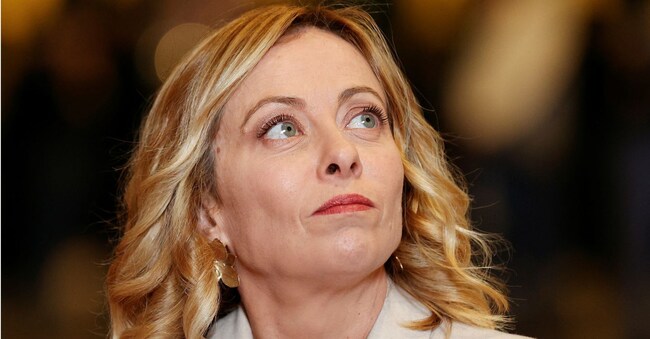
Beyond the technicalities, the move is, in short, a clear sign of the weariness experienced by the budget law in its first parliamentary steps, now expected to accelerate from Monday morning at 10.30 am: at that point a non-stop in committee will aim to bring the text to the Chamber by Tuesday morning, before Prime Minister Giorgia Meloni's afternoon speech on the European Council. In any case, between the general debate and the question of confidence, the text will not be dismissed from Montecitorio before Thursday evening-Friday morning.
The long stalemate, together with the appearance of the changes on ministers' salaries, motorway concessions and electricity distribution and MPs' non-EU consultations (the anti-Renzi rule), has raised tensions between majority and opposition, thus raising some further uncertainties even on the race planned for the coming days.
All the oppositions, apart from Azione, wrote a letter to House Speaker Lorenzo Fontana asking him to assess the inadmissibility of an amendment to the manoeuvre presented in the Budget Committee. "It appears evident," reads the missive from the group leaders of the PD, M5s, Iv and Avs in the committee, "how the extremely heterogeneous structure of the amendment significantly compromises the possibility for deputies to express a free and conscious choice on the legislative will. The oppositions point out that the content of this amendment, in combination with two others by the government "with equally heterogeneous content", "substantially rewrite a good part of the budget law, without allowing a full legislative inquiry to be carried out" according to the regulation.
On the substantive level, the main changes contained in the drafts of the new set of correctives include the intervention on decontribution in the South, which reduces the resources made available to companies in the South, and the reversal on the Web Tax and bit coins. The digital tax goes back to focusing only on large companies because the hypothesis of cancelling the minimum turnover threshold of 750 million in revenues is shelved, which goes back to applying to both companies operating in Italy and those with operations abroad. The squeeze on crypto assets is also loosened: the maxi-increase to 42 per cent of the substitute tax for 2025 disappears and remains at 26 per cent, while in 2026 the levy will only rise to 33 per cent.


