
Labour decree, government reconsiders: yes to arrears for expired contracts
Undersecretary Durigon's intervention to pay arrears to workers with expired contracts
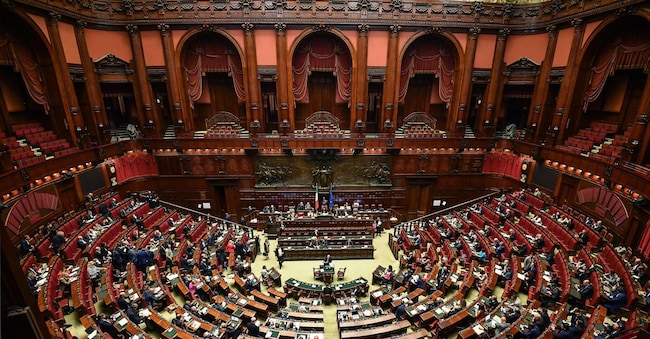
The government reconsiders and reintroduces the rule recognising arrears to workers with expired contracts. On Monday 18 May, during the conversion of the decree on the fair wages in the House, an amendment will be tabled that restores the first version of the text, which was amended before the decree was promulgated.
Durigon's speech
The initiative was taken by the undersecretary for labour Claudio Durigon, who had already pointed to that provision when the regulation was being drafted. A different position had prevailed at the time, with the current decree leaving decisions on the matter to the parties involved. Now, in the words of the undersecretary, the issue seems to be recomposing itself, also because the objective, also given the current crisis and the increase in inflation, is 'wage growth'.
'It is a rule,' Durigon said, 'that I had already proposed to include in the decree'. And on possible rifts within the majority and the executive, he noted that 'I don't think there are problems with Minister Calderone, with the unions and with the employers. We said no to the minimum wage and we have to support workers' wages'.
The recovery of arrears
If passed, the measure would ensure that workers regain purchasing power. The pay increases provided for when expired contracts are renewed run from the date of the natural expiry of the previous contract. In the months (or years) that this is not renewed, therefore, a backlog accrues that will have to be made up.
Few renewals for 2026
By 2026, however, few renewals are expected, according to the latest data from the Bank of Italia. The central bank estimates that more than 80 per cent of employees are covered by valid contracts that will remain in force throughout the year.

