Down deep: hi-tech ideas to make summer last as long as possible
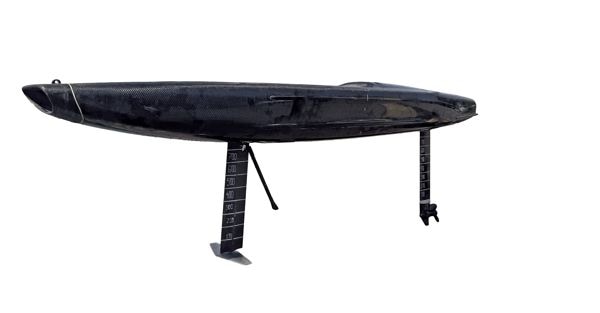
Reach the reef comfortably seated and dry, measure, before diving, the quality of the water or fly over it with a foil.

3' min read
3' min read
Twenty years ago, Dutch entrepreneur Bert Houtman decided to equip his yacht with a submarine. Realising his wish seemed relatively within reach for those with money, but he soon realised that it was almost impossible to buy submarines. Many would have given up on the explorer Cousteau-inspired dream, but not Houtman, who chose a more ambitious path: he founded a company, U-Boat Worx, and began designing, building and selling submarines.
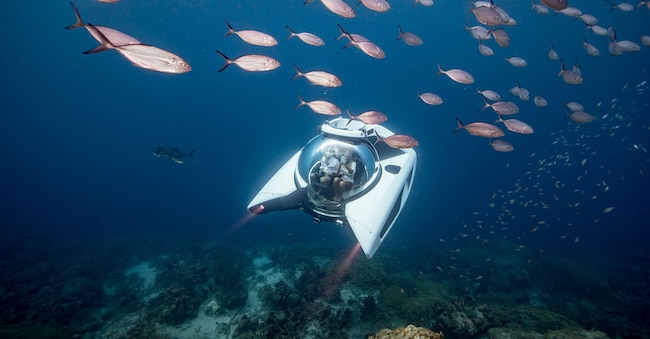
The first models were designed for cruise ships and superyachts over 80 metres long, while the Nemo model is a more compact submarine for smaller yachts (over 30 metres) and has the ability to dive down to 100 metres, the same depth as that reached by experienced technical divers. Nemo performs on many fronts, but two are particularly noteworthy: it is the only mass-produced submarine (the others are made to order) and at 2,500 kilos it is the lightest two-seater submarine for these depths.
The disadvantage of having set up business in the Netherlands is that the seabed is shallow, visibility poor and currents strong. That is why U-Boat Worx has opened its Sub Centre in Curaçao in the Caribbean, where it certifies its boats and trains buyers: those who buy a Nemo have a 14-day course in Willemstad or another location of their choice included in the price. "Nemo is very intuitive," says Roy Heijdra of U-Boat Worx. "It is designed to be used in the easiest way. Much of the course is about safety."
It is evident from the footage taken on board that diving and exploring Curaçao's coral reefs, comfortably seated while listening to good music, must be quite a magical experience. "Our mission is to make the underwater world accessible, and submarines are now much less expensive," Heijdra continues. "We are still far from the price of a car, but we had to start somewhere!".
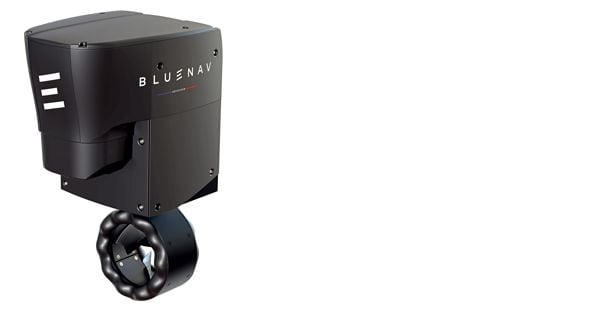
NOT ONLY ELECTRIC The issue of range and the lack of charging points has slowed the adoption of electric on boats. French company BlueNav is encouraging the transition with the BlueSpin motor for a hybrid boat that can switch from combustion to electric drive when needed. Manoeuvring in the harbour, fishing, sailing at a constant speed and even whale watching, for example, are all activities that can be done with the electric motor, with the combustion engine available when more speed is needed and distances increase. The 15 kilowatt version is for boats of up to 15 metres, the 8 kilowatt version up to 12 metres. bluenav.com, from 10,600 €..