
Denise’s decision: she took her own life 17 years after the murder of her mother, Lea Garofalo
She was 35 years old and had been a state witness. The Velletri Public Prosecutor’s Office is investigating. In 2009, her father had the woman who had reported his ’ndrangheta-related crimes murdered in the Milan area

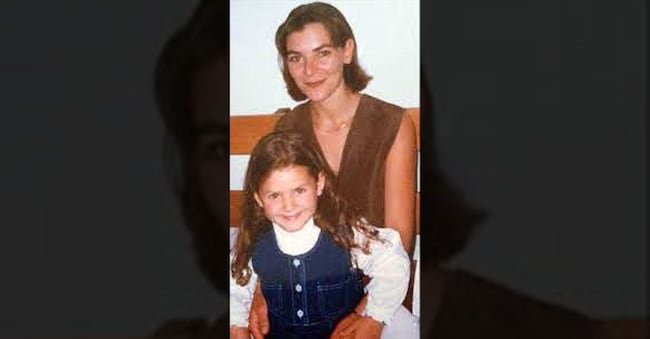
When, in October thirteen years ago, thousands of people attended her mother’s funeral in Milan, Denise, from behind a window, paid tribute to ‘Lea’s courage in rebelling against the culture of the Mafia. ‘She had the strength not to succumb to resignation and indifference,’ she declared from behind a window that was meant to protect her identity and her young age. Today – after years of fragility, pain and a wound that never truly healed – that very strength has failed her. And from another window, Denise took her own life at the age of 35. The same age as her mother. Like another very young woman in the history of the anti-Mafia struggle: Paolo Borsellino’s ‘picciridda’ and the witness for the prosecution, Rita Atria.
Denise could not bear the anguish caused by her mother’s murder; her mother was killed and dismembered on 24 November 2009 at the behest of her father, Carlo Cosco, after Lea – who was born in Petilia Policastro in the Crotone area – decided to report her ex-partner’s criminal activities. But the ’ndrangheta – even kilometres away from Calabria – punishes such betrayals with death. Lea joined the witness protection programme in 2002, after testifying in particular about drug trafficking in Piazza Baiamonti, a murder and the machinations of the Crotone clans in Milan, where Lea lived with Cosco in the working-class neighbourhood of Quarto Oggiaro.
Supported by the Libera association throughout the difficult process of being a witness for the prosecution, Lea lives under an assumed name, in another town, under police protection. “I’m doing this for my daughter,” she states in the record. And it was precisely by playing on her love for Denise that her ex-partner convinced her to meet him again, years later, following a first attempt to kill her in Campobasso, where she was living.
Like so many other women who have tried to free themselves from the yoke of the ’ndrangheta, Lea, too, has had to contend with all the pressures – particularly emotional ones – and the deceptions employed against the ‘brave women’ who have tried to break free from the clan. ‘Let’s meet up to talk about our beloved Denise,’ Cosco told her, to persuade her to meet him in Milan. And Lea, who had in the meantime left the witness protection programme, agreed.
The CCTV cameras at the Arco della Pace in Milan captured her final moments before she was abducted, murdered and dismembered. Three years later, after Denise had moved to Calabria with her father, the few remains of her body were found. But alongside the chance to give her a proper burial, Denise was also faced with the shock of seeing her father and the young man who had become her boyfriend – along with four others – arrested for her mother’s murder. It was her boyfriend who helped the prosecutors locate what remained of Lea’s body. At the trial at the Court of Assizes in Milan, from behind a screen, Denise, accompanied by lawyer Enza Rando of Libera, gave evidence, accused her father and stood firm against attempts to intimidate her. Her statements proved crucial in the trials, which concluded with a string of life sentences. Like her mother, she too chose to cooperate with the authorities, acting as a civil party in the trial against her father and his accomplices.


