
Diana Bianchedi: 'From Milan Cortina begins the future of the Winter Games'
'The event has adapted to the territories, enhancing excellence - The most important legacy is to encourage everyone to do sport'

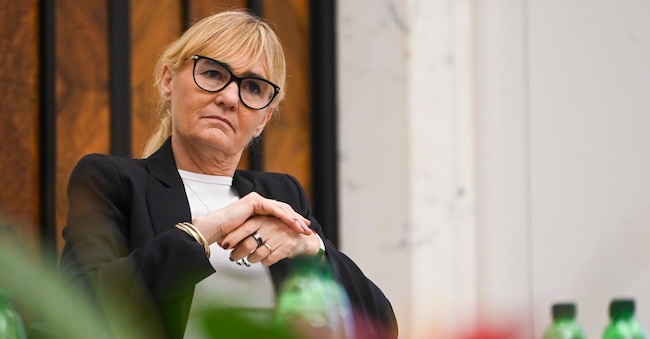
Everyone is running from corner to corner, dense phone calls, the languages of the world mingling in the headquarters of the Milan Cortina Foundation, and Diana Bianchedi, foil champion, Coni vice-president and super manager of the Games, is no less. Engrossing enthusiasm, her words like a stream growing and not stopping in her suit of ordinance that makes her seem to be in the thick of the event or perhaps still on the piste: 'We are here and the Italians can be confident, we will succeed in astonishing the world'.
Why can an Italian be proud on 6 February?
The Milan Cortina Games will be the first winter edition built according to Agenda 2020, desired by the IOC to make the Olympic business sustainable. According to that protocol, it is the Games that must adapt to the territory, and not vice versa. We have gone to areas where there was already excellence, such as, for example, Anterselva, which has been hosting the biathlon World Championships and World Cup for twenty years, and we have completed buildings that were already planned, such as the Santa Giulia Arena.
The Cortina track, however, does not respect Agenda 2020 so much, so are the Games worth the candle?
The studies will tell once the competitions are over, but we have involved the country, as is also shown by the passing of the torch that is kindling attention. And, beyond the arenas and infrastructures that will offer spaces to do sport and make traffic less congested in certain areas after the Games, I am sure, because of my background as a sportswoman and as a sports doctor, that sport has an impact on the health of the country, that seeing athletes at their best will encourage people to practice. More sport means changing people's mentality, pushing them to exercise regularly and, in the long run, lowering healthcare expenditure.


