
Diesel excise duty rises from January. Down for petrol, lowest since 2021
As of 1 January, there will be a tax increase affecting 16.6 million motorists. The measure will bring an increase in revenue of EUR 552 million in 2025

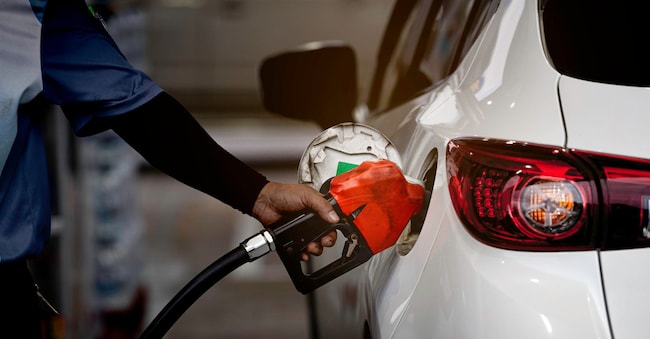
The price increase is just around the corner. From 1 January, motorists travelling with diesel vehicles will have to reckon with increases of 4.05 cents per litre. This is an increase in taxation that will affect 16.6 million users and, as Codacons points out, will bring into the state coffers an increase in revenue of EUR 552 million in 2026.
Excise duty at EUR 672.9 per 1,000 litres
This is, as the Italian Federation of Road Fuel Station Managers (Federazione italiana gestori impianti stradali carburanti) points out, an effect of the entry into force of the new provisions on excise duties on motor fuels as set out in the Budget Bill 2026. "In particular, there is the alignment of excise duties on petrol and diesel, both of which will be set at EUR 672.90 per 1,000 litres," the Figisc wrote in its note of 29 December. "This alignment will entail a reduction of about EUR 50 per cubic metre on petrol (VAT included) and an increase of about EUR 50 per cubic metre on diesel (VAT included).
A 50-litre tank will cost 2.47 euro more
Just a few figures are enough to measure the weight of the price increases. "Considering also the VAT at 22%, a full tank of 50 litres of diesel will cost from 1 January 2.47 euros more than today, with a greater outlay on an annual basis, assuming two full tanks per month, from +59.3 euros per car - Codacons calculates - If you also consider the increase of 1.5 cents taken last May, the total increase is equal to 3.38 euros per full tank, +81.1 euros per year. That's not all, however. Codacond also emphasises another aspect concerning the reduction in excise duty on petrol. "The reduction is likely to remain only on paper: as already observed in May, when the excise duty increased by 1.5 euro cents, the price of diesel at the pump immediately went up, while for green fuel, despite the 1.5 cents reduction in excise duty, the reductions were minimal".

