
Diesel prices hit an all-time high in Italia: Government considers targeted support for workers and the self-employed
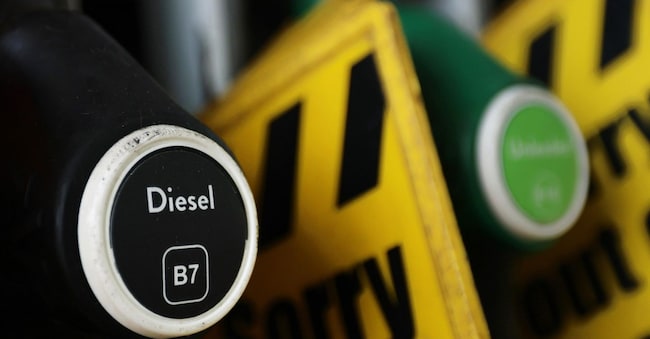
The price of diesel has risen above 2.2 euros per litre, whilst the Government is discussing targeted measures to support those who are genuinely in need, amidst controversy and possible alternatives such as a discount on vehicle tax

Key points
High fuel prices continue to give the Government no respite, at a time that is becoming increasingly delicate as the election campaign gets into full swing. Price rises continue unabated and this, at a time of intense activity within the Executive’s offices to finally put the ‘targeted aid’ measures in writing, is not helping matters.
Petrol just 10 cents off its all-time high
Records are being broken day after day. As for petrol – currently at 2.1 euros per litre – we are talking about annual highs, with figures not too far off the peaks of 2022, immediately after the start of the Russia-Ukraine war, when the price of petrol reached 2.184 euros per litre. A difference of around eight cents.
All-time high for diesel prices
The situation is different for diesel. This is because the all-time high has already been reached during these months of tension in the Middle East, partly due to an increase in excise duties on diesel (bringing them into line with those on petrol) decided at the start of the year under the latest Budget Act.
The latest update is from this morning and shows a price of 2.208 euros per litre, 1.5 cents more than yesterday. This is despite a cut in diesel excise duty amounting to 17.1 cents per litre.
The end of the discount
In reality, the discount is set to end. The intention at Palazzo Chigi was to discontinue it a few days ago, and in any case it is no secret, given that Prime Minister Giorgia Meloni had explicitly stated this at the celebration marking the government’s record-breaking tenure.

