
Diesel: the discount has been reduced to 6.1 cents – by how much will the cost rise? But Eni’s price cap comes into force on Monday
The price cap for petrol will be 1.99 euros per litre, whilst that for diesel will be 2.19 euros. Both will come into effect on Monday and will last for one month

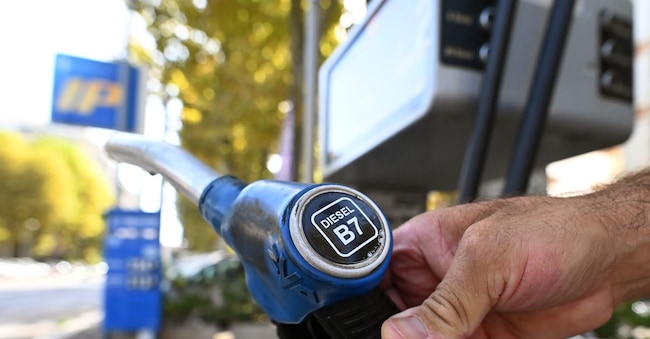
Will the cut in excise duty on diesel be halved? Eni has stepped in, announcing a price cap on its fuels – €1.99 per litre for petrol and €2.19 for diesel – for at least thirty days: a ‘new gesture of solidarity towards the country, consumers and its own customers’. Following the scrapping of the vehicle tax, this is the government’s second breath of fresh air, which this time is the result of the ‘excellent relationship’ between Giorgia Meloni and Eni’s CEO Claudio Descalzi, as sources close to the matter are keen to emphasise. The Prime Minister’s moral suasion had been underway ever since it became clear how difficult it would be to cap petrol and diesel prices solely for the most vulnerable sections of the population. Another approach was needed; it has been found.
Reactions
“The Government thanks Eni for this important initiative,” reads the official statement from Palazzo Chigi. “A commendable gesture of support for Italia, which goes in the desired direction of bringing down the high cost of fuel which, due to the difficult international situation, is hitting Italian families.” Gratitude has also been expressed by the deputy prime ministers, albeit in different tones. Antonio Tajani of the centre-right party praises the approach: “No interventionist measures or new taxes based on the concept of windfall profits, but responsibility, collaboration and the market.” Matteo Salvini of the League says he appreciates “Eni’s decision to forego millions in revenue” and immediately calls for “banks and other major companies in the energy and oil sectors to follow this example”.
Even within Fratelli d’Italia, Meloni’s party, there is hope for a knock-on effect, in the belief that other petrol retailers will follow in Eni’s footsteps, without the need to impose a tax on energy groups. Particularly in the run-up to the budget, and all the more so following the setback of failing to exit the EU’s excessive deficit procedure ahead of schedule, everyone is convinced that it will be necessary to open new discussions with both credit institutions and state-owned companies (see Thursday’s edition of Il Sole 24 Ore). Under the motto ‘everyone who can, help out’.
The price cap and the new excise duty cut
Meanwhile, the price cap will come into effect next Monday at all Enilive stations, including those on the motorway. As for how long it will last, it is currently certain that it will remain in place until the end of October, but the company has not ruled out the possibility of extending it until the end of the year, depending on market trends and supply conditions.
This new measure has not been introduced on a random day. This is because today marks the start of the second phase of the Government’s strategy to move away from (costly) excise duty cuts, and diesel will now cost an extra 6.1 cents per litre. This price rise will bring diesel prices close to 2.4 euros, whilst petrol – which has seen no discount since the start of July – is just a few cents away from its all-time high of 2.184 euros. These prices are deemed unsustainable by various sectors, foremost among them the road haulage industry, with Assotir not ruling out a strike yesterday alongside other trade bodies – a move that ‘would bring the whole country to a standstill’, as General Secretary Claudio Donati warned.


