
Diet, those who eat badly spend 289 euro more per year and put their health at risk
A study by the Aletheia Foundation, sponsored by the Ministry of Health, shows that health care costs for diseases related to poor nutrition lead to a 3.3 per cent annual contraction of European GDP
3' min read
Key points
3' min read
Poor nutrition and lifestyle not only put future health at risk, but also have an impact on personal wallets, with an extra cost of close to EUR 300 per person, and on GDP, causing a contraction of around 3.3%.
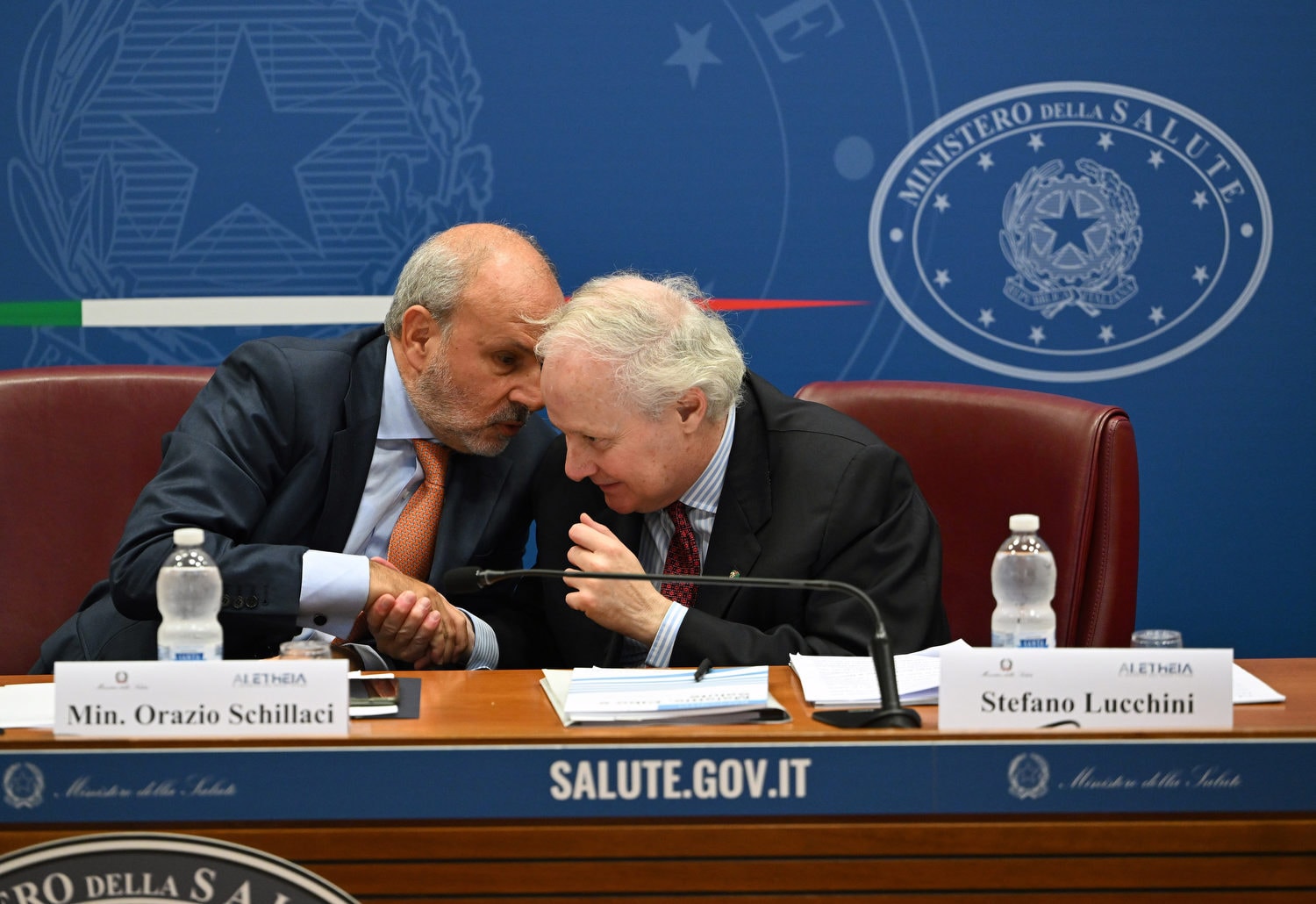
The correlation between erroneous diets and nutritional models, the onset of illnesses and increased economic and social costs was highlighted by a study presented to the Ministry of Health and entitled 'Diseases, Food and Health', carried out by the Aletheia Foundation, chaired by Stefano Lucchini and directed by Riccardo Fargione, with the coordination of thèscientific activities of Professor Antonio Gasbarrini, Dean of the Facultỳof Medicine and Surgery at the Università̀Cattolica del Sacro Cuore.
Among adults, almost half are overweight
.The study was carried out under the patronage of the Ministry of Health, led by Minister Orazio Schillaci, and showed that taking the rate of obesity, one of the main diseases linked to a diet based on ultra-processed products with high amounts of chemical additives, our country does not have such a critical situation. In 2023, the share of the older population with excess weight was less than half, 46.4 per cent. In the last twenty years, however, there has been a 7.1% increase in overweight people and a 36.4% increase in obese people. Diabetes is increasing much more: in the last 20 years, the incidence of this disease has risen by 65%. If we limit ourselves to the last few years, the curve is always upwards: from an incidence of 6.3% in 2021 to 6.6% in 2023.
The economic impact
.Diseases linked to incorrect nutrition and lifestyle drive up healthcare costs and, according to a study by the Aletheia Foundation, also generate a 3.3% annual drop in European GDP. The study also tries to quantify the cost in euros of the increase in overweight linked to incorrect nutritional styles, which accounts for 9% of national health spending: it costs every Italian an extra €289 per year 'tax'.
The role of the Mediterranean diet
.One of the main tools for combating these problems is certainly the Mediterranean diet, which is on the UNESCO intangible cultural heritage list. For Professor Claudio Franceschi, emeritus of immunology at the University of Bologna and one of the authors of the research, 'the Mediterranean diet is a key element in the health of citizens because it has a number of favourable effects on body composition, the chronic inflammatory state characteristic of ageing, and also on a whole series of cognitive parameters'.

