Dinner invitations: jewellery for ultra-gourmand palates
Albino caviar, Japanese Matsusaka, ethical foie gras and limoncello in a diamond bottle. For those who think they've tasted it all ...
6' min read
6' min read
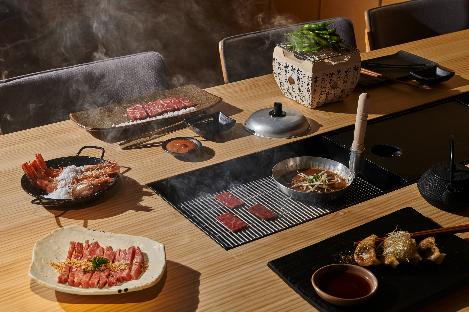
Right in the centre of Paris, a few steps from the Place Vendôme. The restaurant has a very sober entrance, it goes almost unnoticed. It is called Marie Akaneya and is the first sumibiyaki in the French capital. The typical Japanese barbecuing takes place at individual tables, using Binchotan, the special Japanese white charcoal that does not release smoke, used since the Edo period. But what makes this restaurant of elegant minimalism in the Kyoto style unique is the meat placed on the small barbecues. Only here can Matsusaka Beef, the country's most revered beef, hitherto jealously reserved for domestic consumption because of its rare and extreme quality, be tasted outside Japan. Only since last April has Tokyo authorised the sale abroad of this wagyū with its exceptional characteristics.
Unlike other famous denominations such as Kobe, Matsusaka only treats cows that have not calved, with the most tender meat. And it extends the minimum breeding period by months. "Normally for a Kobe or an Ohmi (another premium type, ndr) it ranges from 24 to 30 months, we at Ito Ranch even go up to 45 months,' explains Hiroki Ito, owner of the most prized Matsusaka Beef herd, with only 700 head per year, 'this allows our meat to have a higher presence of unsaturated fats. The ones that are not harmful. It is his meat that you eat at Marie Akaneya's. And it is a real experience. Nothing like what our palate is used to. After two or three courses of quality wagyū, the thin rectangular strips of Ito Ranch beef arrive. And one is catapulted into another world. The meat - literally - melts in your mouth.
Without any feeling of fatness. "Due to the higher presence of unsaturated acids," comments Ito, "the melting point is lowered and the meat achieves an incomparable sashi (marbling), sweetness and lightness." The result of careful selection and exclusive breeding criteria: a head of cattle at the Ito Ranch is 56 per cent more expensive than at Kobe (each has its own space and is fed on rice straw and organic grains). In fine restaurants in Tokyo and Kansai, the only ones that serve it, a 100 gram Ito Ranch fillet costs more than 500 euros. After obtaining the export licence, Ito relied on Akaneya Group as a strategic European partner and expects to grant no more than 8-10 licences before 2025, during which time it will export the meat of only 15 of its cows.
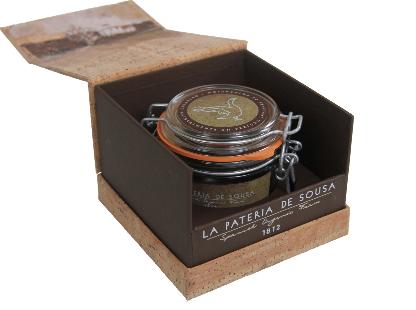
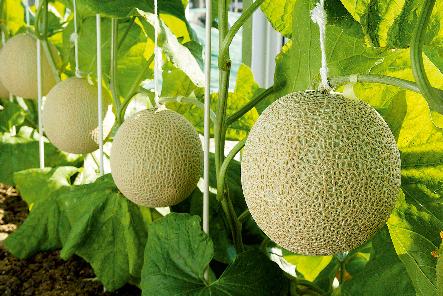
The owners of Akaneya are a couple living in Barcelona and it is thanks to the insistence of Chiho Murata, who moved to Spain for love, that these very special meats will land on our tables. After all, Chiho had already grabbed another exclusive from her native country. When you enter Marie Akaneya's, greeted by a young woman in an elegant kimono, the first thing you are shown is a display case where a melon is kept. Sinuous roundness, colours that suggest ripeness to the point of precision but, come on, it's still a melon! And yet once again the Japanese obsession with perfection manages to amaze. This is Fukuroi's Crown Melon. It is served after an elaborate table preparation involving temperature control - the ideal consumption is between 8 and 10 degrees - and 'coring' to check the sugar level, which is never acceptable below 14 grams. But the obsession with raw material is not the prerogative of the Asian country. "For two years, he didn't even answer the phone. Finally, exasperated, I took a flight to Seville and showed up at the fazenda's door,' says Ettore Bocchia, chef of the Mistral restaurant at the Grand Hotel Villa Serbelloni in Bellagio. One who has eluded his attempts at contact for so long is Eduardo Sousa, farmer from Extremadura and producer of ethical foie gras. 'In Patería de Sousa,' Bocchia continues, 'gavage, the painful practice of force-feeding to which ducks and geese are subjected to obtain foie gras, is not carried out. Here, the animals are free, they roam in the dehesa among olive trees, chestnut trees, fig trees and bergamots, and the liver enlargement derives solely from the fact that the geese and ducks overfeed in preparation for migration'.
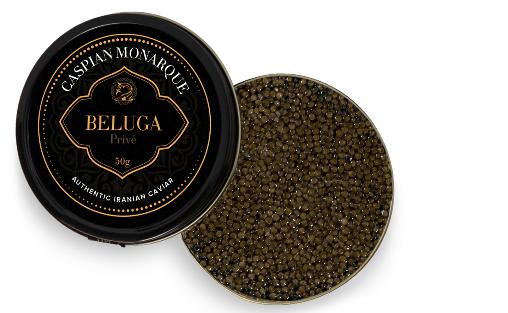
Eduardo merely continued the family tradition. His grandfather first realised that the geese always returned to the fazenda grounds, attracted by the mild climate and the amount of food available. "They ate, and still do, grasses and acorns," explains Sousa. "We used to use the liver for party lunches, only later did I decide to make a business out of it'. Which, however, remains very limited, the Italian chef points out: 'Eduardo produces 400 kilos of foie gras per year and I buy 200 of them'. The liver of Sousa's geese and ducks is much smaller than that of farmed animals and much more compact. "The taste is incomparable, this foie gras melts in the mouth. I also buy the legs there and with the breast fat, which tastes very similar to guanciale, I then cook carbonara for Arab customers'. Equally exclusive is the albino caviar produced in Poland by Antonius Caviar.