
Disasters present the bill, 60% of losses are uncovered
According to Aon's report, global damage caused by extreme events will amount to $368 billion in 2024. insured damage will rise to $145 billion, but the protection gap remains wide. In Italy impact of about one billion (it was 27 in 2023)

3' min read
3' min read
Natural disasters are becoming more frequent and devastating due to climate change. Overall in 2024, the hottest year on record, economic losses amounted to USD 368 billion, down 7% from 397 billion in 2023 but up 14% from the 21st century average. On balance, 2024 stands as the ninth consecutive year with economic losses exceeding USD 300 billion and the sixth most costly ever for insured losses. The latter exceeded the century average by 54% to reach 145 billion. Although insured losses far exceeded the average, the protection gap stood at 60% (it was 68% in 2023), representing a significant financial drag on communities, businesses and governments. The data is contained in the report 2025 Climate and catastrophe insight from Aon, a leading global insurance and reinsurance brokerage and risk management consultancy. In 2024, at least 54 events with economic losses exceeding one billion occurred worldwide. Increasing population and exposure to natural hazards in high-risk areas continue to influence the growth in catastrophe losses.
"For the fifth year in a row," emphasises Pietro Toffanello, CEO of Aon Reinsurance Italia, "insured losses globally exceeded USD 100 billion, highlighting once again how climate risks, such as floods, convective storms, wind and hurricanes, are a real danger to our communities. The context is further exacerbated by the impact of climate change, which adds further uncertainty to the overall picture'. Uninsured losses challenge the ability to rebuild, recover and build resilience. Global economies, the report notes, can reduce damage and loss of life with greater resilience and mitigation measures in place. In 2024, 18,100 people lost their lives due to natural hazards, especially heat waves and floods. This dramatic figure, however, is lower than the 21st century average of 72,400 and could be attributed to improved warning systems, weather forecasting and evacuation planning through reliable climate insights and analysis.
In Italy
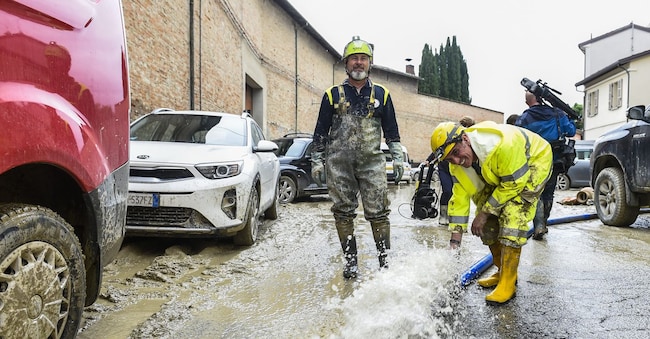
'Italy,' Toffanello emphasises, 'is a country with a high climatic and especially seismic risk. In 2024 a number of flooding events occurred, such as those of September and October in Emilia-Romagna, which generated non-negligible economic losses and had a strong impact on the community, once again highlighting an important insurance gap with respect to economic damage". Considering the main extreme natural events, last year economic losses amounted to approximately one billion euro, while insured losses did not exceed half a billion. Economic losses were considerably below the average of recent years, especially 2023, a true annus horribilis with approximately 27 billion in losses and about 7 billion insured. In that year, the flood that plagued Emilia-Romagna in May was the sixth global catastrophe event with economic losses of USD 9.8 billion and insured losses of USD 600 million.
Another aspect to consider isthe increase in the frequency and severity of these events, both due to climate change and factors related to increased exposure to natural hazards in more urbanised areas and the increase in the average construction cost. The level of protection varies according to company size. Ania estimates an average earthquake and flood insurance penetration of 6% for residential and micro-enterprises; around 20% for medium-sized enterprises and around 60% for large enterprises. "The high insurance gap," says Toffanello, "highlights the need for interaction between the public and private sector to increase the resilience of our society. The introduction of compulsory insurance for SMEs goes in this direction, shifting the burden of the cost of reconstruction from entrepreneurs to the insurance market'. Similarly, Ania's initiative to form a reinsurance pool 'will allow insurance companies to be able to handle a greater amount of risk without threatening market stability by drawing additional capacity into the reinsurance market'.

