Discovering the Hamptons, a historic destination for the international elite
A region lapped by the ocean, dotted with historic lighthouses and museum houses, such as those of Jackson Pollock and Jack Lenor Larsen. This is the essence of the East Coast Riviera, as described by Nicolas Bellavance-Lecompte.

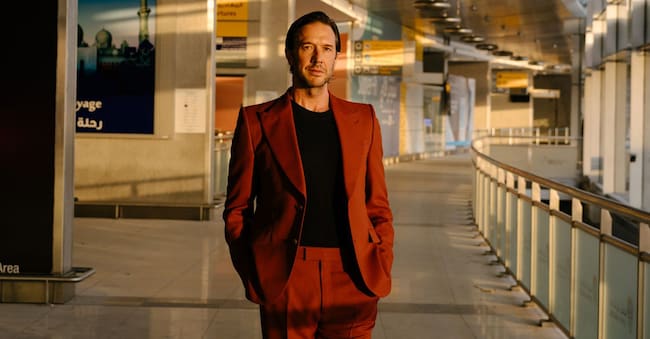
After St. Moritz, Capri, Monte Carlo and, more recently, Abu Dhabi, the choice of the Hamptons for the first American edition of Nomad (a travelling exhibition that brings together collectables, contemporary art and cultural reflection in venues of exceptional architectural value) was almost a foregone conclusion. We could have opted for equally international destinations, such as Palm Beach or Aspen, but the east coast of Long Island struck us as the ideal location, capable of combining the concept of an exclusive holiday resort with a significant community of collectors. Here we found ‘Old America’, rooted in Anglo-Saxon tradition: beautiful architecture, majestic natural surroundings and a vibrant cultural scene. Extraordinary artists such as Andy Warhol and Jackson Pollock chose to live and work in the Hamptons; it is here that prominent American families spend their leisure time, as do the new international elites – an eclectic, privileged group of people who are deeply connected to the woods, the beaches and the ocean, as if New York were slowly dissolving into the landscape here.
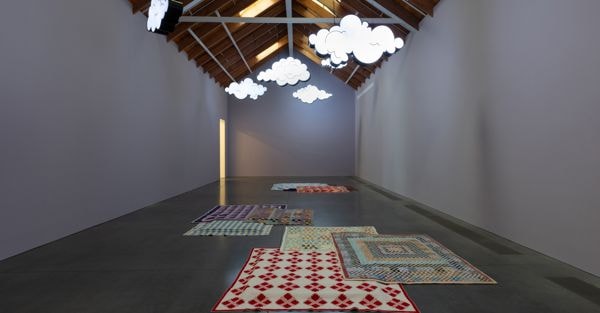
Of crucial importance was our meeting with Bob Wilson, shortly before his passing, and with the Watermill Centre, the interdisciplinary arts workshop he founded in 1992 on four hectares of land belonging to the Shinnecock Indigenous Nation – a veritable ecosystem for artists. As with every edition of Nomad, together with our exhibitors, galleries, artists and special projects, we have taken over every space at Watermill – from the kitchen to the dining room, from the studios to the libraries and the research centre – to foster a dialogue between architecture and art.
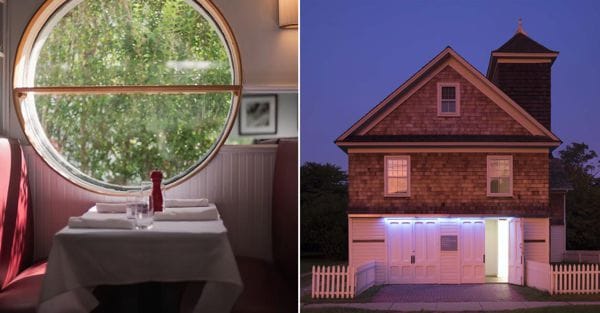
This gave me the chance to spend more time exploring this area, which I’ve come to love. When I’m not staying with friends, I choose the Bridgehampton Inn, a small, family-run hotel with just 12 rooms in a late 18th-century building where I feel right at home. Alternatively, I love the atmosphere at The American in Sag Harbor, which seems to have been frozen in time; it dates back to the height of the whaling era and also has a lovely restaurant with a bit of a New England feel. Breakfast at both is excellent, but I often give in to the temptation to try the local bakeries, such as Levain Bakery in Wainscott – a must-visit for its delicious chocolate cookies – Pierre’s in Bridgehampton, for its croissants and more French-style cuisine, or Carissa’s in East Hampton or Sag Harbor, with a more contemporary approach and a focus on organic and seasonal produce. In the Hamptons, after all, farmers’ markets are part of everyday life.
The days here are busy, but I always find time to visit art venues. In Water Mill, there is the Parrish Art Museum, with its significant collection of American art, which moved into a building designed by Herzog & de Meuron in 2012. Not far away is Dia Bridgehampton, a small museum housed in a former church which, as well as hosting temporary exhibitions, features a marvellous permanent installation by Dan Flavin. It’s a special, contemplative place. I also love house museums, such as Jackson Pollock’s in Springs and the LongHouse, the estate of textile designer Jack Lenor Larsen, which is rather like my dream home with its magnificent gardens and impressive art collection. As for galleries, I recommend visiting Sardine, a pop-up contemporary art project by curator Valentina Akerman, set in an 18th-century farmhouse in Amagansett. Among the design research spaces, Wyeth in Sagaponack – a mecca for Mid-Century Modern furniture – and the Jeff Lincoln Art+Design gallery, which showcases collectible design and contemporary art in a former power station in Southampton, are particularly worth a visit.
Nature is the real luxury here, and if I have some free time, I head for unspoilt beaches like Amagansett, or walk through the dunes towards the Montauk lighthouse, one of the oldest in the United States. Evenings are spent at home, but when I’m craving Italian food, I book a table at Tutto il Giorno in Sag Harbor – a lovely restaurant run by Gianpaolo de Felice and his wife Gabby, daughter of fashion designer Donna Karan – or at Il Buco Al Mare in Amagansett, which serves excellent seafood. There’s little time for shopping in my days, but at the Sag Harbor Variety Store – that classic American emporium where you can find everything from nails to Hamptons-style caps – I rediscover the atmosphere of certain places from my childhood in Canada. Music lovers shouldn’t miss the Bridgehampton Chamber Music Festival, running from 18 July to 17 August – a cultural programme of open-air concerts that captures the authentic spirit of the Hamptons.