New destinations

Exploring Phnom Penh: art and an ever-changing skyline

Cambodia’s chaotic capital is leaving behind its past as merely a stop-off on the way to the beaches and temples of Angkor Wat and is redefining itself as an international destination.

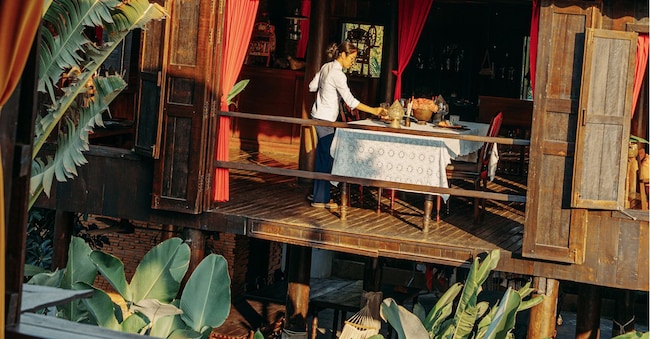
La casa della chef, dove propone l’esperienza di cene private. ©Chris Schalkx

6' min read

Translated by AI
Versione italiana

6' min read

Translated by AI
Versione italiana

Until recently, Phnom Penh, Cambodia’s chaotic capital, was a city where you’d arrive already thinking about when you’d be leaving. One night, perhaps two – just enough time for a must-see visit to the Royal Palace and Tuol Sleng, the genocide museum – before rushing off to the country’s typical picture-postcard destinations: the Angkor Wat temple complex or one of the resort islands off the southern coast. Whilst tourism in Cambodia has begun to flourish again since 2020 and cities such as Siem Reap, Kampot and Battambang have become hubs of art and culture, Phnom Penh has struggled to shake off its image of lawlessness, petty crime and transit tourism. L
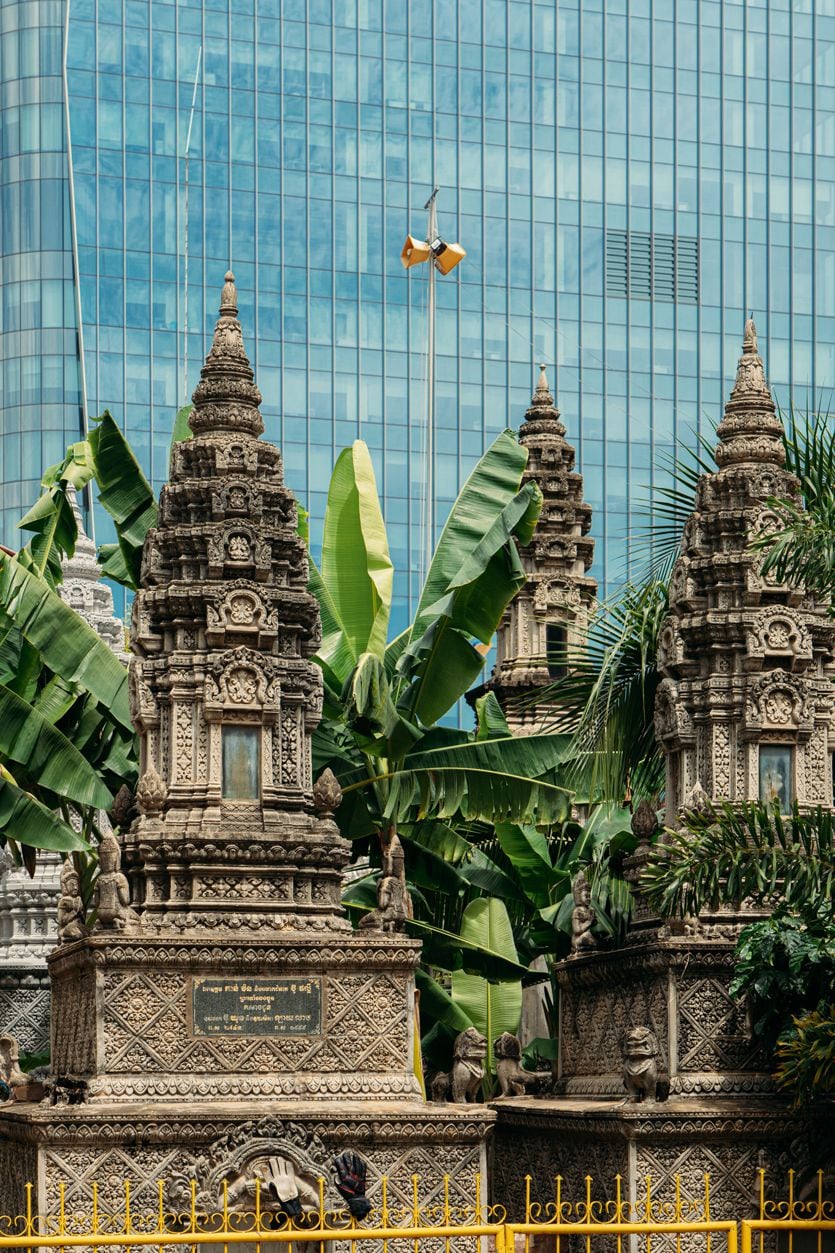
Templi nel centro di Phnom Penh. ©Chris Schalkx

But things are changing: a new international airport was opened last October. Foster + Partners, the architectural firm behind the two-billion-dollar project, describes it as “the new face of Cambodia’s capital”, where sunlight filters through ceilings reminiscent of the woven patterns of traditional wicker baskets. All around, rice paddies and pastures still dominate the landscape, but in the coming years a fully-fledged satellite city will spring up, with the new Xi Jinping Boulevard linking it to Phnom Penh.
Loading...

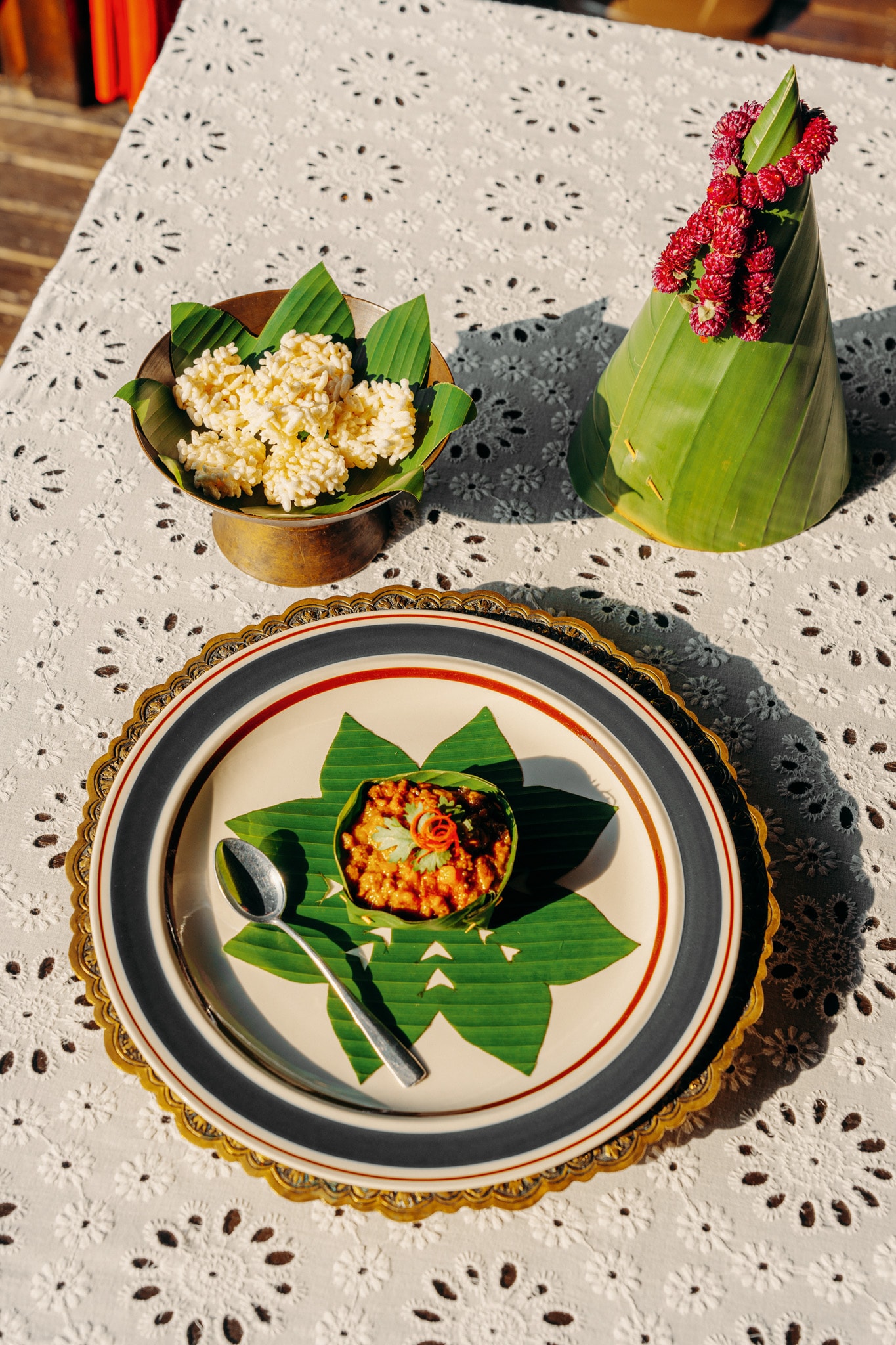
Nataing Pork Curry con cracker di riso di Chef Nak. ©Chris Schalkx

The hotel industry has responded swiftly to these changes. The Rosewood Phnom Penh had anticipated them when, in 2018, it took up residence on the upper floors of the Vattanac Capital Tower, a 39-storey skyscraper. Today it offers sumptuous suites, an excellent spa and a range of exclusive restaurants, from the finest Cantonese and Sichuan cuisine to an elegant steakhouse boasting a collection of 3,000 wines. Shiny Mercedes cars park alongside tuk-tuks and, viewed from the rooftop, the traffic lights twinkle like fireflies in the night. The Shangri-La Phnom Penh is a luxurious 5-star hotel in the Chamkar Mon district, near Diamond Island. In 2022, it was the tallest building in the whole country; since then, a dozen other skyscrapers have overtaken it. Among these is the eponymous Shangri-La in the Koh Pich district, a jungle of skyscrapers where, in the early 2000s, there was little more than a swamp.
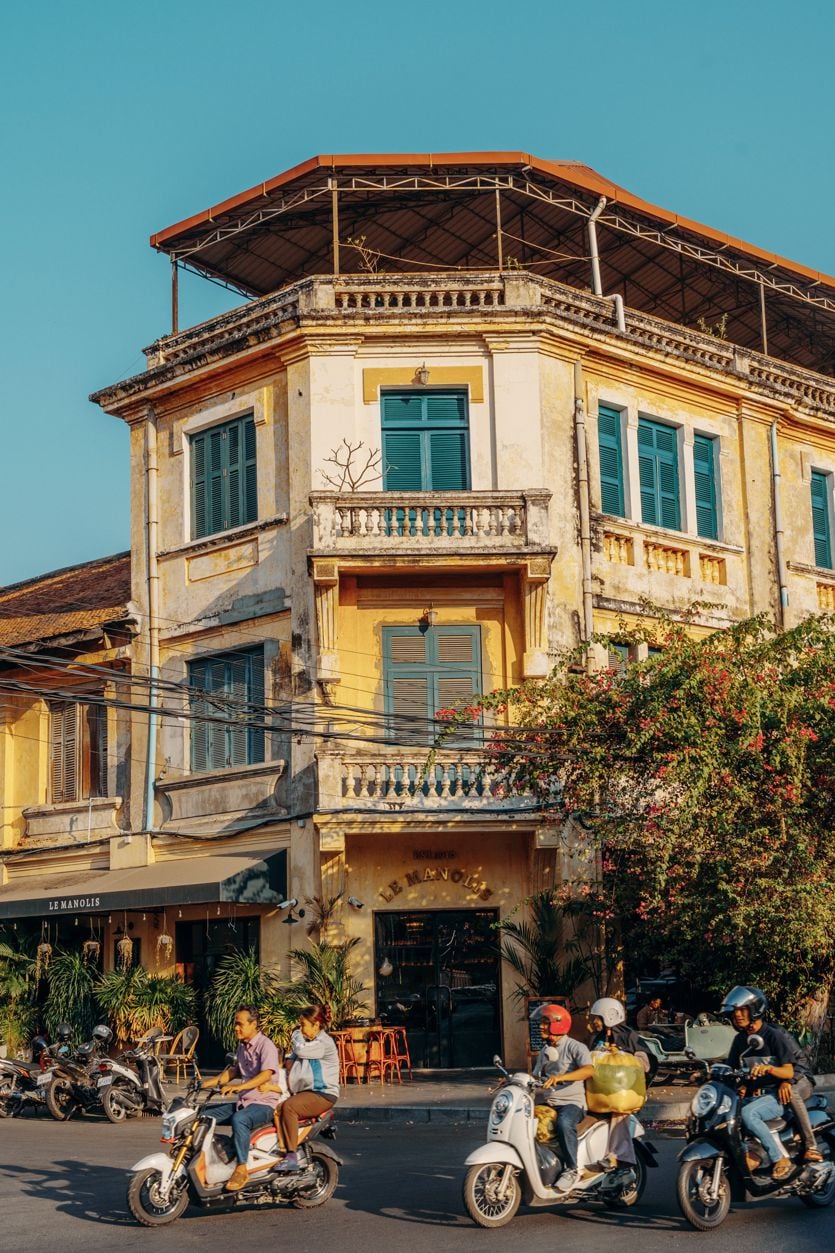
Il ristorante Le Manolis, Post Office Square. ©Chris Schalkx

Cranes still stand out against the skyline, and around the building sites, large illuminated billboards promise happy lives in beautiful homes. Cafés featuring exclusive coffee roasters appear alongside street stalls where women in satin outfits sell soft baguettes Num Pang and slices of mango. On every corner, banners and signs in Mandarin advertise numerous investment opportunities amidst the spires of golden temples. One consequence of this rapid development is that some of the splendid French-colonial villas and the Art Deco façades of the shops – which made Phnom Penh the so-called Pearl of Asia – have been replaced by blocks of buildings made entirely of glass and steel.

La biblioteca progettata da Vann Molyvann per la Royal University di Phnom Penh. ©Chris Schalkx

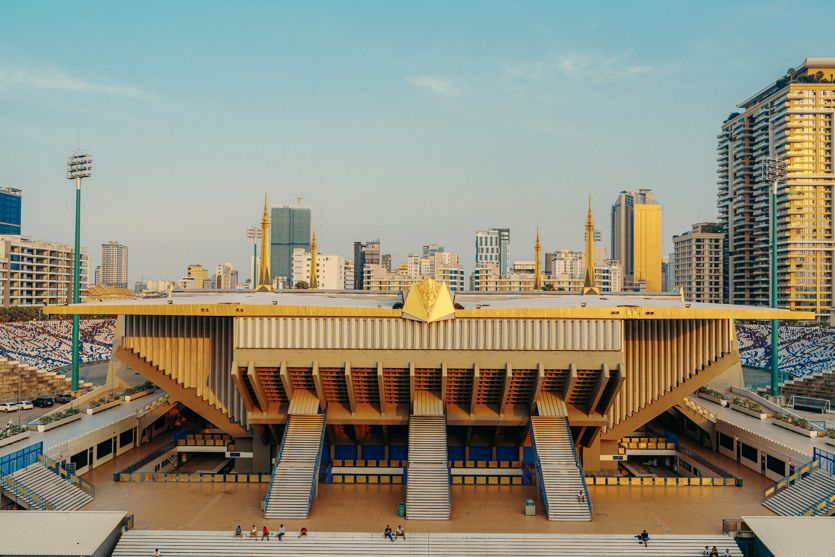
The renowned architect Vann Molyvann – the designer of some of the most iconic examples of tropical modernist architecture that celebrated the optimism of post-independence Cambodia between the late 1950s and the 1960s – would struggle today to recognise what his city has become. Many of his masterpieces, such as the Preah Suramarit National Theatre and dozens of residential projects, have been demolished by wealthy property developers. Those that, at least for now, have not fallen victim to the wrecking ball (for example, the 1960s Olympic Stadium, now surrounded by shopping centres and half-empty flats) are still under threat. ‘Skyscrapers, shopping centres and multi-purpose buildings have reshaped the city’s appearance and identity,’ says architect and urban planner Pen Sereypagna. ‘Without a master plan, everyone does as they please.’

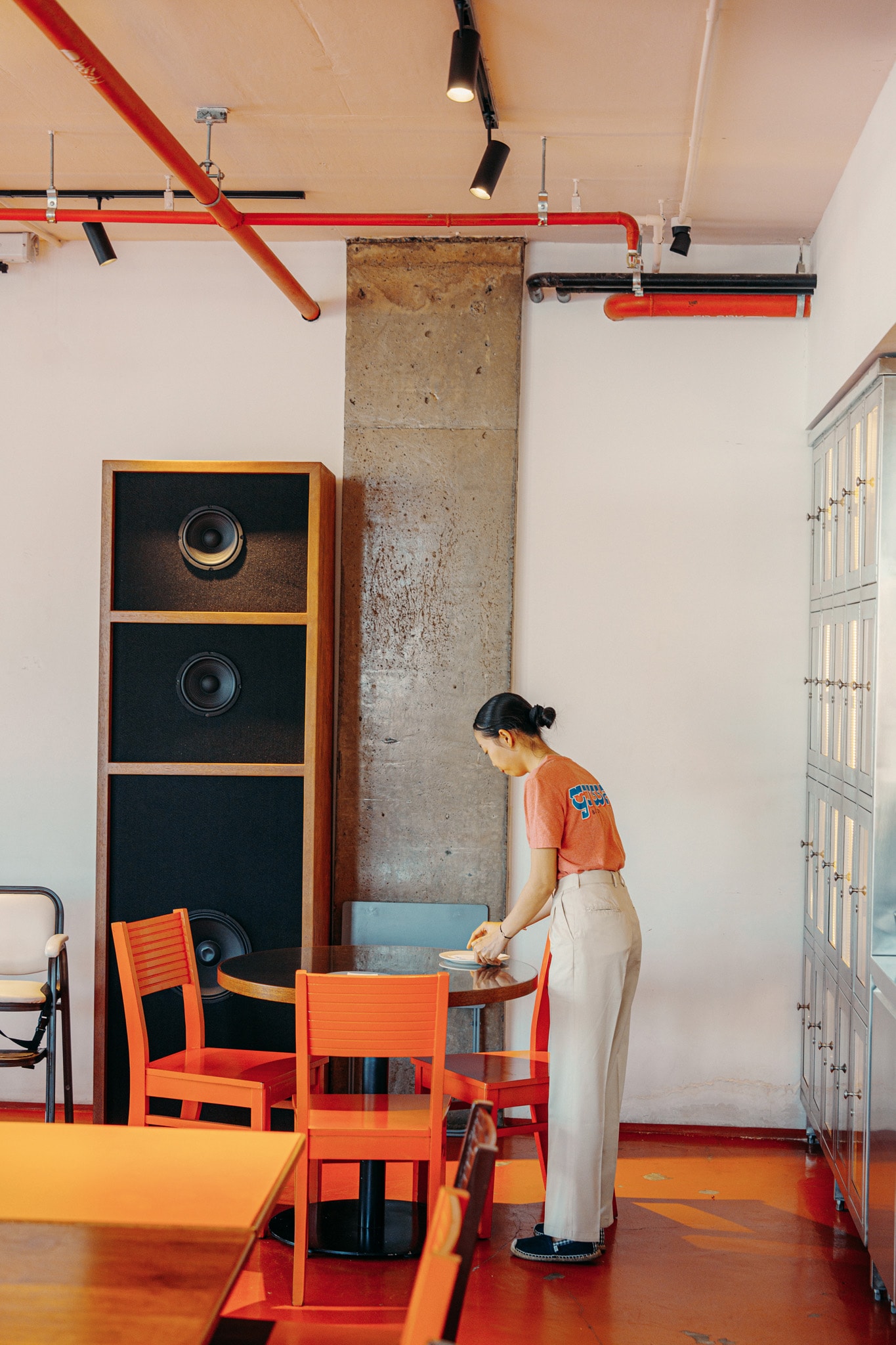
Spiedini di carne alla griglia al ristorante Bai Sor. ©Chris Schalkx

Something, however, is trying to stem this tide. Take Downtown, for example, where an attractive 1950s townhouse with beautiful wrought-iron window grilles has become the home of Pteah Chas, a collection of concept stores, cafés and design studios for those who could no longer afford the exorbitant rents of the new developments. The house that once belonged to Molyvann – Cambodia’s answer to Taliesin, Frank Lloyd Wright’s studio-home – recently escaped demolition after being put up for sale in 2020. Since then, Brown Coffee – a small local chain whose founder, the architect Hok Kang, has converted the spaces into a café and a gallery following Molyvann’s original plans and designs – has taken up residence there.

Un membro dello staff del Bai Sor. ©Chris Schalkx

Whilst traditional Khmer architecture is slowly disappearing from the cityscape, it is making a strong comeback in restaurant kitchens. “We were never taught to be proud of who we are,” says Phnom Penh-based chef Rotanak Ros, better known as Chef Nak, who grew up during the hard times that followed the Khmer Rouge era. Although the economy had recovered in the 1990s, the most exclusive restaurants continued to take their inspiration from foreign establishments. “Nobody wanted to invest in a Khmer restaurant. Anyone with capital opened a French restaurant; it was impossible to see the potential in Cambodian cuisine. But I wanted to go in the opposite direction and prove that it could be done.”

Il National Olympic Stadium dell’architetto Vann Molyvann. ©Chris Schalkx

For years, Chef Nak travelled the country interviewing elderly people and collecting recipes and rituals that now existed only in people’s memories, unearthing them from those who cooked them at home and thought there was nothing remarkable about their Num Banh Chok – the traditional Khmer rice noodles – or in the soups Samlor Kokor, a true national dish dating back a thousand years. “We had to convince them that what they were preparing had value,” he recalls.

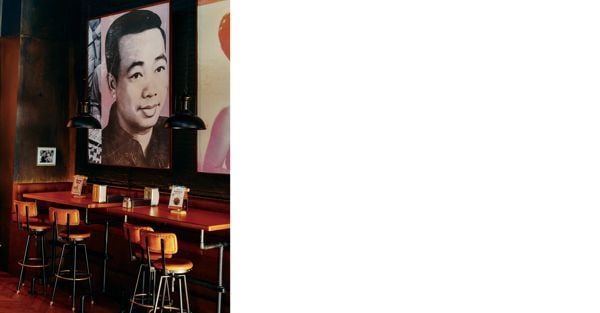
Interno del Khmer Funk Sky Bar. ©Chris Schalkx

These recipes are collected in her cookbooks and, since 2023, have been served at her country residence, just outside the city on the banks of the Mekong; a centuries-old wooden building on stilts, salvaged from Battambang and Siem Reap, and completely rebuilt in the chef’s garden. The three guest rooms are furnished with four-poster beds and a mix of Khmer antiques which, she explains, were looked down upon by a generation accustomed to viewing everything foreign as superior.

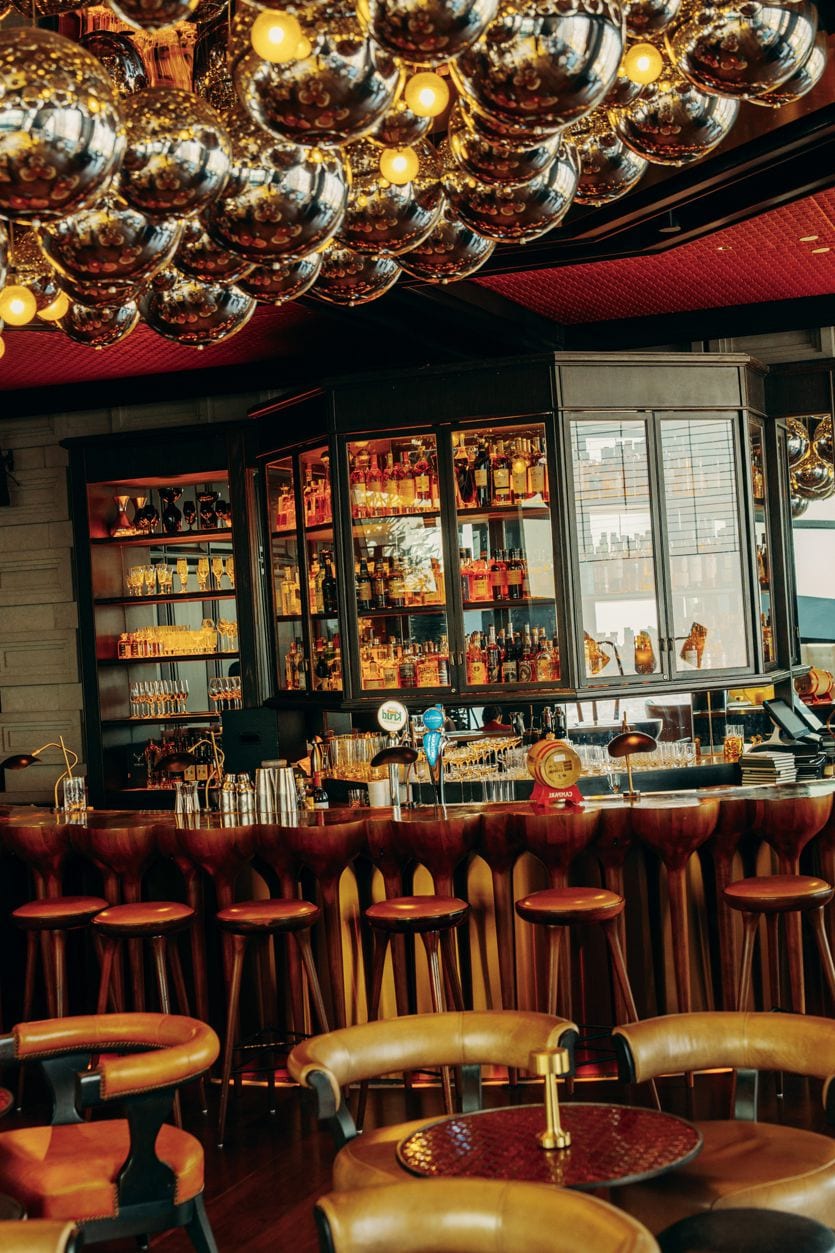
Il Sora Bar all’hotel Rosewood Phnom Penh. ©Chris Schalkx

In this airy house, multi-course lunches vary with the seasons, alternating between traditional royal family recipes and local specialities. The Nataing Pork Curry, scented with coconut, is served on top of spiced rice crackers, whilst the Kampot-style salad is accompanied by seaweed and plump prawns. These dishes, which require brief cooking times and are rich in flavour, strike a balance between the freshness of Vietnamese cuisine and the vibrancy of Thai cuisine (which is hardly surprising, given Cambodia’s location on the map). Ros says that her ambition is not to run a large restaurant; she focuses on consultancy work (she developed the local menu for Brasserie Louis at the Rosewood Hotel in Phnom Penh) and on workshops to inspire younger chefs to carry on the Khmer culinary tradition.

Loading...

Studenti della Royal University di Phnom Penh. ©Chris Schalkx

In Downtown, a new generation of Cambodian restaurants is making its mark. Along Post Office Square, where the French colonial shopfronts now house wine bars and bistros, chef Tim Pheak has recently opened Bai Sor, which specialises in regional Cambodian dishes, featuring a large open-plan kitchen lined with charcoal grills and terracotta ovens. A few floors up, on the rooftop of the Tribe Hotel, Khmer Funk Sky Bar serves small plates and smoked meat skewers accompanied by Cambodian craft beers or cocktails made with local ingredients such as makrut lime and Kampot pepper. In the city, in the Psar Toul Tom Poung district, Kinin is housed in a wooden building half-hidden by palm trees and climbing vines; it serves not only Khmer cuisine but also international dishes, with the addition of a few Western specialities such as Scottish-style eggs. It is run by the same team that owns Maloop, a few blocks further on, where banana flower salads, Lok Lak beef and pan-fried frogs’ legs with lemongrass are served beneath a stunning bougainvillea in the garden of a villa furnished in perfect 1950s style.

Lok Lak di manzo con pepe Kampotal Bai Sor. ©Chris Schalkx

Turning to art, for years the country’s art scene has been largely associated with Apsara miniatures and watercolours of Angkor Wat, sold at charity markets in Siem Reap. In Phnom Penh, things go a step further. ‘When I moved to Cambodia in 2002, I felt that the priority was to revive traditional art, to protect and preserve it,’ explains Franco-Cambodian art consultant Julie Thai, who opened The Gallerist near the Royal Palace in 2021. “Cambodia is now a fast-moving country, with a young population that is beginning to express itself in various ways.” Thai exhibits a mix of locally established names – including Chhim Sothy, one of Cambodia’s best-known artists internationally – and young talents, some of whom have returned to Cambodia after spending years abroad. The street artist and gallery owner Fonki is part of this diaspora.

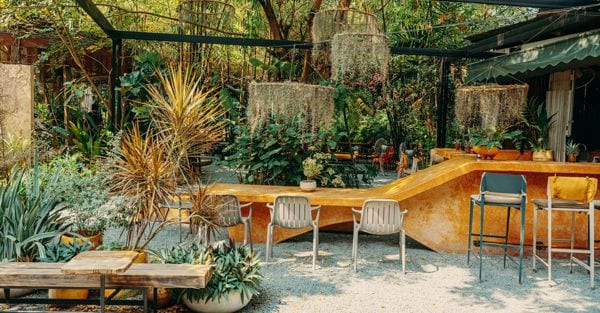
Il giardino del ristorante Maloop. ©Chris Schalkx

Born in Paris to Cambodian exiles and raised in Montréal, he began spending time in Phnom Penh in 2012, before returning there permanently in 2017. His FT Gallery at the Factory in Phnom Penh – a creative hub on the city’s southern outskirts, on the site of the former Levi’s factory – opened in 2017. Although Phnom Penh’s skyline is rapidly modernising, Fonki – whose works were exhibited last year at the Osaka World Expo and who has created over a hundred major commissioned works – argues that the city is ‘in the midst of a Khmer Renaissance’, thanks to local artists exhibiting in hotel-run galleries and a growing number of collectors of Cambodian art. ‘We no longer define our work as craftsmanship,’ he adds. ‘We’re no longer so shy about that.’

Copyright reserved ©
Loading...
Loading...

Newsletter

Notizie e approfondimenti sugli avvenimenti politici, economici e finanziari.

Iscriviti