Discovering Sulcis Iglesiente between towers and tuna nets
Each small town in the area is a slow tourism destination where tradition is interwoven with scenic beauty and cultural uniqueness

Key points
Sheer tunnels and ruins rising from the waves, fishing villages and forts hoisted on scenic cliffs, where the sea meets millenary traditions. For centuries, the bays and natural harbours of the south-western corner of Sardinia have seen ships depart with their cargoes of minerals extracted in the mines. Today, the villages of Sulcis Iglesiente have become a destination for slow tourism where tradition intertwines with the beauty of the landscape and the cultural uniqueness of each one. From Portoscuso to Iglesias to the sea at Carloforte and Sant'Antioco, each place offers an experience that transports one into the most authentic atmosphere of this still little-known portion of the island.
I Sentieri del Carignano, walking through history and vineyards
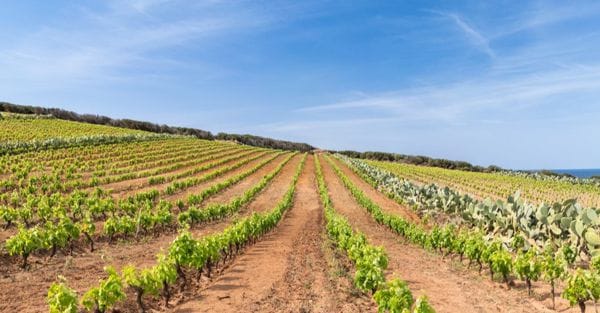
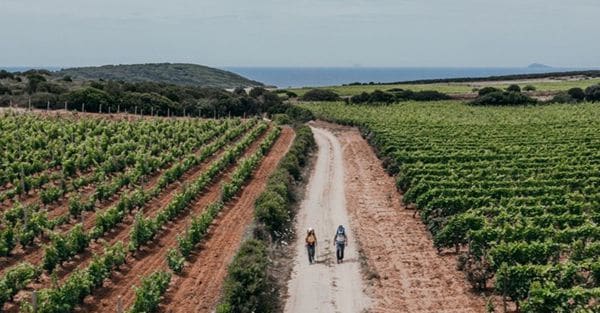
To discover the Iglesiente area at a slow pace, the itinerary 'The Paths of Carignano del Sulcis' is certainly a good start, offering local hospitality in the posadas, accommodation facilities in which it is possible to stay overnight, managed directly by the Fondazione Cammino Minerario di Santa Barbara. The itinerary runs from the city of Carbonia to the island of Sant'Antioco, along the paths used in the past by mine workers, and combines coastal landscapes, mining traditions and viticulture to get to know evocative places and villages deeply rooted in history. There are many stops that make this itinerary unique and full of charm, from the archaeological site of the Phoenician-Punic period of Pani Loriga in Santadi to the 17th-century Tonnara in Portoscuso to the Great Mine of Serbariu, now converted into a cultural centre. Another experience to add, finally, is a tasting in a cellar of Carignano del Sulcis, a red wine with a strong territorial identity that goes perfectly with traditional dishes (roast suckling pig, ricotta or cheese ravioli, pane civraxiu, fish soup) and whose vines provide a natural backdrop for those who embark on this journey that knows no seasonality.
In Portoscuso to discover the civilisation of the sea
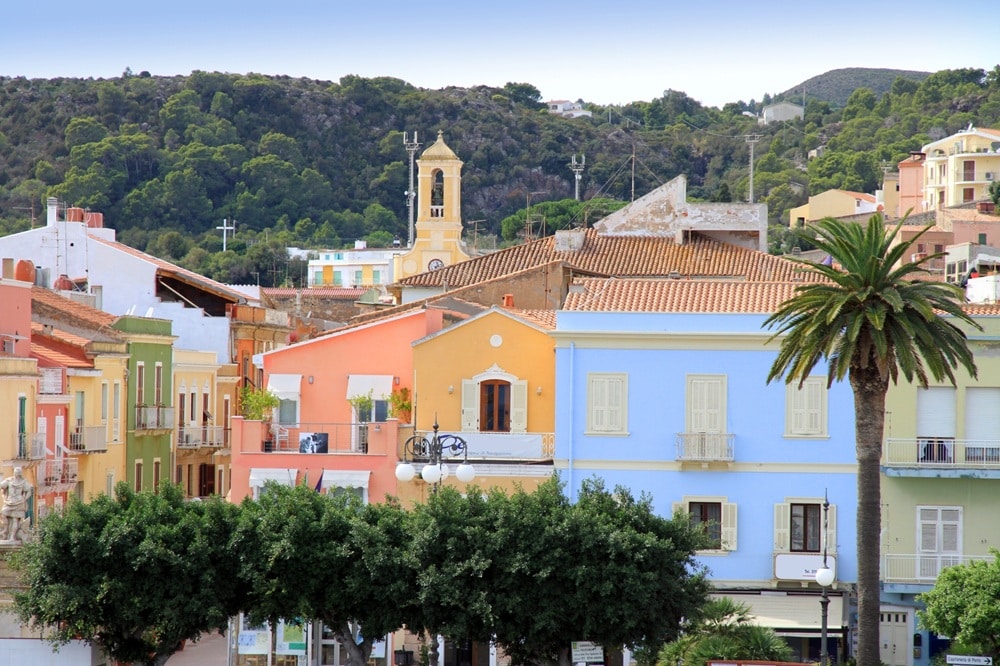
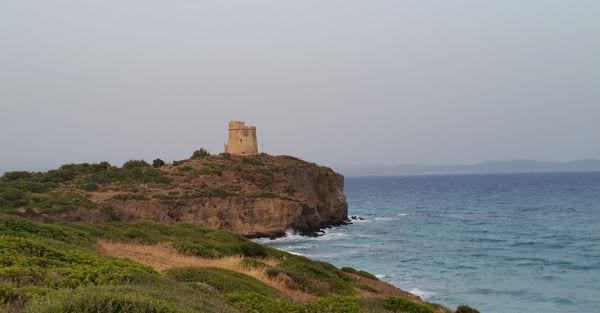
A point of connection between the coast and the island of Carloforte, Portoscuso is not only synonymous with dream beaches (such as Caletta and Portopaglietto) and crystal-clear waters but also a village of 5,000 inhabitants with a rich history that is reflected in buildings such as the 16th-century Torre Spagnola, which stands near the Tonnara Su Pranu and the church of Santa Maria d'Itria, but also in the signs of seafaring tradition visible at every corner and in the old cobbled streets that take you back in time. Its origins date back to the end of the 16th century under Spanish rule (its original name was Puerto Escuso, hidden port), when the village was populated by Sardinian, Sicilian, Marseillaise and Majorcan fishermen and coral workers. One of the main attractions of Portoscuso, one of the oldest still existing in the Mediterranean: the small fortified village built in local stone is now also a venue for events, guided tours and cultural routes related to the civilisation of the sea and the sustainability of traditional fishing.
A Tratalias and Iglesias for churches and cathedrals
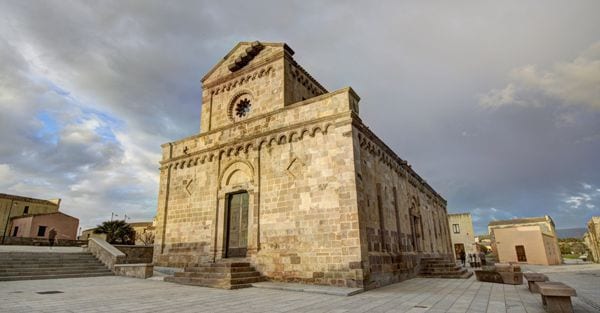
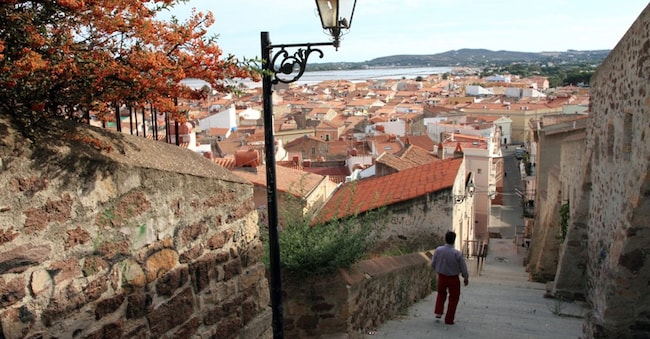
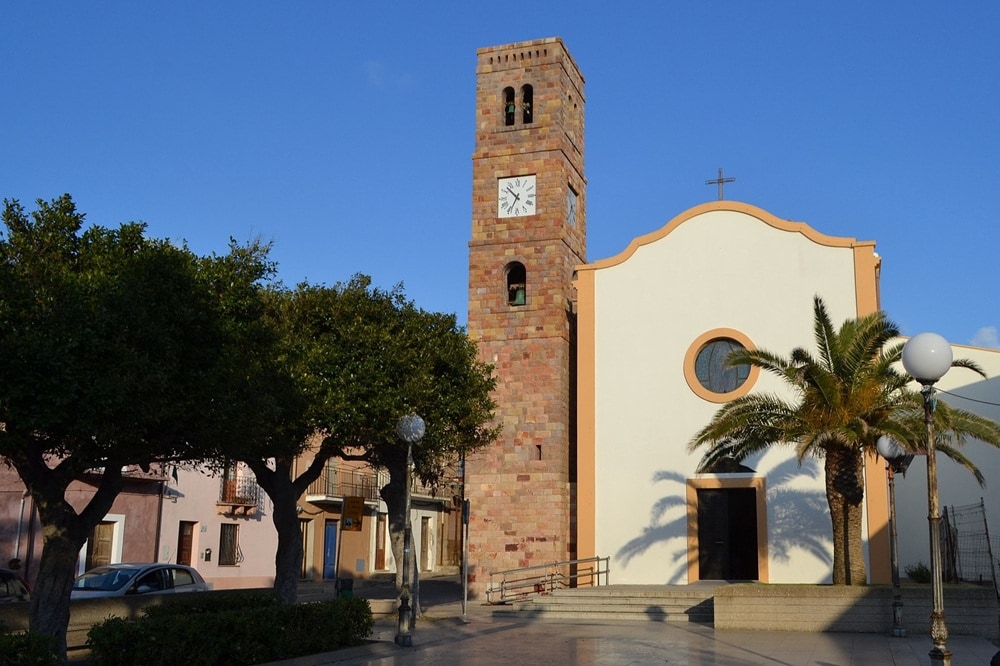
A labyrinth of cobbled alleyways and stone houses resplendent with history: this is the image that characterises the village of Tratalias, whose old town is known to be completely uninhabited, abandoned by its inhabitants in the 1980s and now a tourist destination that envelops with its silent charm marked by the 'baroque' arches that bear witness to the ancient accesses to the citadel. Not to be missed is the former cathedral of Santa Maria di Monserrato, a jewel of Romanesque architecture built between 1212 and 1282, seat of the diocese of Sulci until 1503 after the abandonment of Sant'Antioco and the coastline threatened by Saracen raids. A must for lovers of sacred history is Iglesias, the most important town in the Iglesiente region, where you can enjoy a stroll through its unique historic centre with its cobbled streets and picturesque views and a visit to the Roman-Gothic cathedral of Santa Chiara, which dominates the panorama with its majestic forms.
At Gonnesa amid old mines and natural beauty
Situated in the heart of the Iglesiente region, amidst ancient mines and beautiful beaches on the western coast of Sardinia, Gonnesa fascinates those who come here: here, industrial history and natural beauty come together in a perfect union. This municipality of more than four thousand inhabitants, poetically described by Gabriele D'Annunzio as 'little white houses huddled at the foot of a large alpine cone', offers visitors a millenary archaeological heritage, evidence of the mining epic, and one of the most evocative coastlines in south-western Sardinia. Gonnesa's historical roots are lost in the mists of time, with evidence of human presence dating back to pre-Nuragic times. The very name of the town, which evolved from Connesium through Connese and Connesa to its present form, probably derives from a Paleo-Sardic base meaning hill or high ground, indicating the territory's strategic position among the Iglesiente hills. Then came the Phoenicians, Carthaginians and Romans, attracted by the extraordinary mineral wealth of the subsoil. During the medieval period, the village belonged to the Giudicato of Cagliari in the curatoria of Cixerri, then passed to the della Gherardesca family and later to the Kingdom of Sardinia. An element of particular historical interest is the gradual depopulation of the centre, documented in the censuses of the 15th century, followed by the 18th-century re-foundation by the Asquer family in 1774. This event marked the beginning of a new chapter in the history of Gonnesa, with the creation of a geometric and rational urban layout that still characterises the centre today.