
US farmers, disillusioned with Trump, are likely to stay away from the polls
Farmers and livestock breeders have been a key constituency for the right. But the sharp price rises, the tariffs and the crackdown on migrant workers are causing difficulties for the primary sector

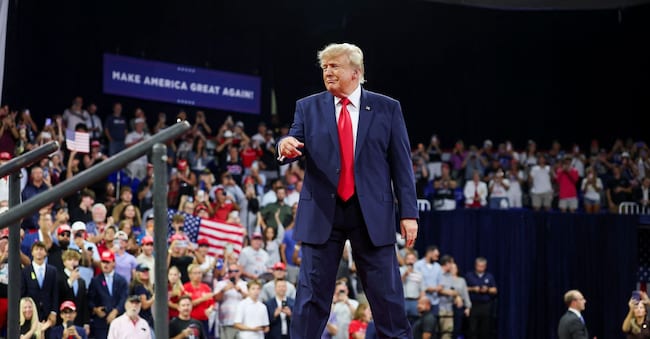
They won’t go so far as to support the Democrats, but many American farmers have already decided they won’t be voting in the mid-term elections: they’ll stay at home in protest against the Republican administration, against conservative candidates and because they’re disillusioned with Donald Trump. ‘In 2024, I saw Trump voters in rural areas travelling dozens of miles through a storm just to cast their votes. This year, I don’t think they’re willing to make that sort of effort,’ says Dee Davis, president of the Centre for Rural Strategies, an independent organisation supporting farmers, speaking from Kentucky.
Farmers and livestock breeders represent a key constituency for the right in the United States. But the sharp rises in diesel prices, as well as those of fertilisers, and, even before that, the battle over tariffs and the crackdown on immigrant workers, are putting the agricultural sector under pressure. Having supported Trump with their traditional enthusiasm in his presidential victory two years ago, farmers feel betrayed: the link between their problems and the fluctuating decisions on tariffs is all too evident, whilst the impact of the war in Iran on the costs they face in their businesses is even clearer.
Farms in crisis
The Department of Agriculture estimates that the net income of farms this year will be 2.6 per cent lower than in 2025 and 5.5 per cent lower when inflation is taken into account. According to the Farm Bureau, a non-profit organisation that advocates for rural communities, farmers will face crop losses at least until 2027. They are turning to loans to survive, pushing agricultural debt to record levels.
Widespread discontent in many US states
Discontent is widespread across the country, from the soya fields of Mississippi to the cattle ranches of Kansas. And then on to Iowa and Texas, all the way to South Carolina and North Carolina. Farmers are furious at the administration’s decision to remove tariffs on beef imported from abroad. Farmers are up in arms over the rising costs of tractors, fertiliser and fuel. And Republican candidates are on the back foot not only in states such as Democrat-governed California, but also in rural areas where conservatives have not lost for generations. These areas could now prove decisive for a majority in the House of Representatives and even in the Senate.
Many – according to analysts’ predictions – will not heed Trump’s call, as he insists on turning the mid-term election into a referendum on his presidency: ‘Vote as if,’ he repeats, ‘my name were on the ballot paper’. The America First president is touring swing states to support Republican candidates.


