
Doc vineyards and picture-postcard landscapes drive a new market niche
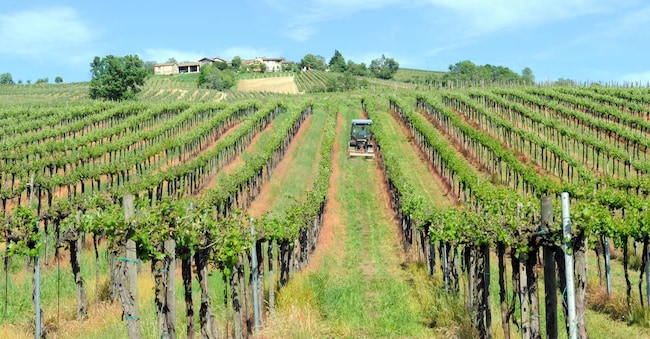
Over the last ten years, real estate prices and sales in locations where quality wines are produced have risen more than the national average. In the lead are areas of Piedmont, Tuscany, Veneto, but also Sardinia and Sicily

Key points
Qualità del vino e qualità della vita stanno creando una nuova nicchia del mercato immobiliare italiano. Ed è un fenomeno dai tratti positivi, destinato a durare e di cui nel tempo potranno beneficiare tanti piccoli centri. «Secondo le nostre rilevazioni prezzi e compravendite residenziali nelle località dove si producono vini di alta qualità sono cresciuti più della media nazionale negli ultimi dieci anni», sottolinea Mario Breglia, presidente di Scenari Immobiliari. Come si evidenzia nell’elaborazione condotta da Scenari Immobiliari per Il Sole 24 Ore quei centri dove sono localizzati vigneti di qualità hanno registrato un aumento in media dell’82,4% dei prezzi delle abitazione ma ci sono paesi del Piemonte, della Toscana, del Veneto, di Sardegna e Sicilia dove gli incrementi toccano nel caso della Sardegna il +200%, della Toscana il +162% e in Piemonte il +142%. Sicuramente il “turismo enologico” in forte sviluppo genera flussi significativi verso le cantine più note.
Village tourism
«Questo aiuta il marketing urbano e fa conoscere luoghi secondari rispetto a località più note - aggiunge Breglia -. Spesso si tratta di borghi intatti, con un buon patrimonio immobiliare e ormai ben serviti dalle infrastrutture. Ai primi posti resta sempre la zona del Chianti, che da un secolo ha turismo enologico. Ma cresce l’interesse verso la Maremma, i colli veneti e le aree interne della Sicilia». Se infatti è indubbio che alla base c’è l’attrattività della terra e dei vigneti, altri elementi stanno via via assumendo un ruolo decisivo nella valorizzazione dei luoghi dove poi non solo si coltiva ma si vive o si va in vacanza. «I vigneti italiani, soprattutto nelle zone di pregio continuano ad aumentare di valore, nonostante il calo globale del consumo di vino e gli investitori puntano su denominazioni prestigiose e limitate, come Barolo, Brunello e Bolgheri, per speculazioni a lungo termine», spiega Alberto Vigada, Consumer Goods & Retail Leader di PwC Strategy & Italia. Come spieg
Metodo Contemporaneo, first mapping of the marriage of wine and art
Sustainability, landscape but also art, a combination on which many wineries have been working for several years, are at the centre of Metodo Contemporaneo (a project of the University of Verona with BAM! Cultural Strategies), the first scientific observatory mapping the realities (60 in Italy so far) that invest in the relationship between art, wine-growing landscape and community, through permanent collections, artist residencies, site-specific installations and prizes for young creatives. Among these is La Raia (Novi Ligure), where for over 20 years work has been done on the marriage between viticulture and biodiversity.
"My sister Caterina was the first to work on the farm, and together with her husband she made the transition from conventional to organic and then biodynamic methods possible. All of us and our collaborators made a pact with this piece of the Gavi landscape: to work the land and, at the same time, increase its vitality, to give it back to future generations as beautiful as we found it, but even more fertile and with a higher rate of biodiversity, thus guaranteeing it the chance to regenerate. Then, in 2013, the Fondazione La Raia - arte cultura territorio (The Raia Foundation - art, culture, territory) involved artists, philosophers, landscape architects and architects who, with their works or their reflections, would help to better understand and communicate this territory and all its peculiarities.
In the Langhe the history of the Ceretto Family
All around are the lands of Barolo. Overlooking this panorama are the windows of the cellar of the Ceretto family, Piedmontese winegrowers, in Alba. The winery was founded in 1937 and has marked the history of the Langhe through the production of quality wines, investment in the territory and connection with art. Founded by Riccardo Ceretto, who had moved here from Santo Stefano Belbo where his family originally ran an inn, the company was developed by his sons Bruno and Marcello who then passed it on to their children. Today the company's land extends over 180 hectares, to which are attached woods and hazelnut groves.

Brand connect


Newsletter RealEstate+
La newsletter premium dedicata al mondo del mercato immobiliare con inchieste esclusive, notizie, analisi ed approfondimenti
Abbonati