Doha opens the first museum dedicated to M.F. Husain
A tribute to the Indian artist and a strategic gesture of soft power that consolidates the cultural axis between Qatar and India

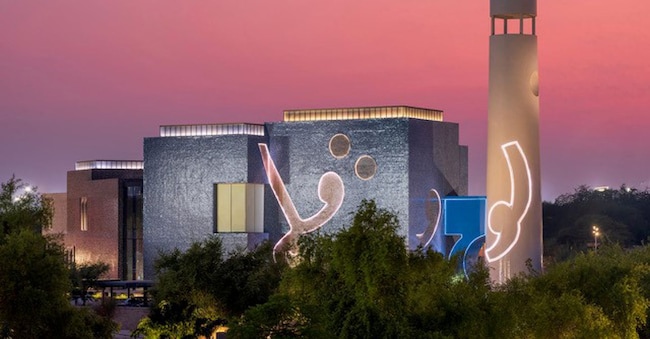
The Lawh Wa Qalam: M. F. Husain Museum was recently opened in Doha, within the Qatar Foundation's campus in Education City, a 12-square-kilometre urban environment designed for mixed-use that integrates education, research, recreation and cultural heritage. Against this backdrop, the architecture of the world's first museum completely dedicated to the figure of Maqbool Fida Husain (1915 - 2011), one of South Asia's most influential modern artists, is clearly visible. This recognition is not only of symbolic significance but an important manifestation of the cultural and strategic connection between Qatar and India and can indeed be interpreted as part of a broader strategy of 'attracting' the Global South to Doha.
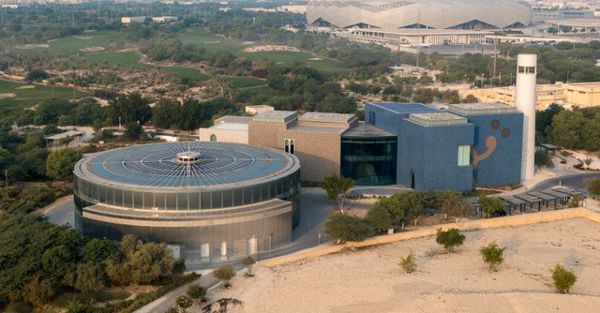
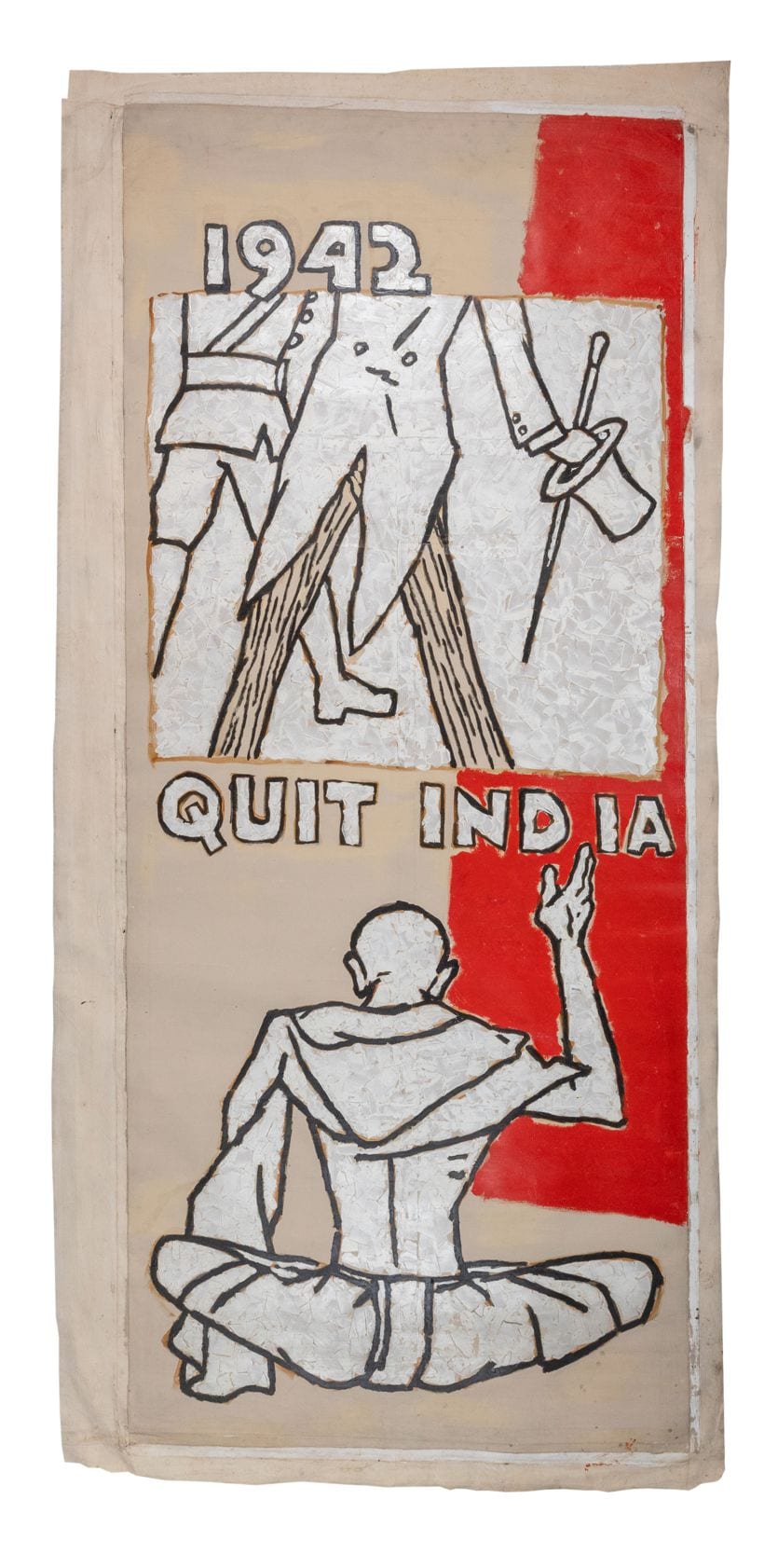
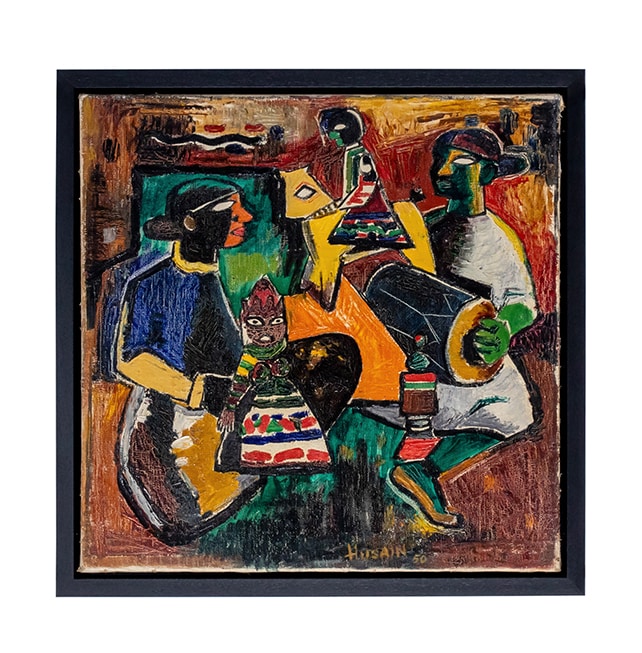
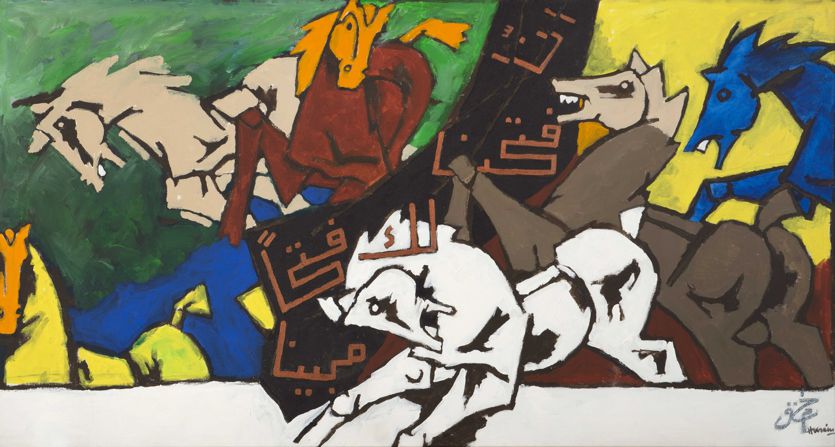
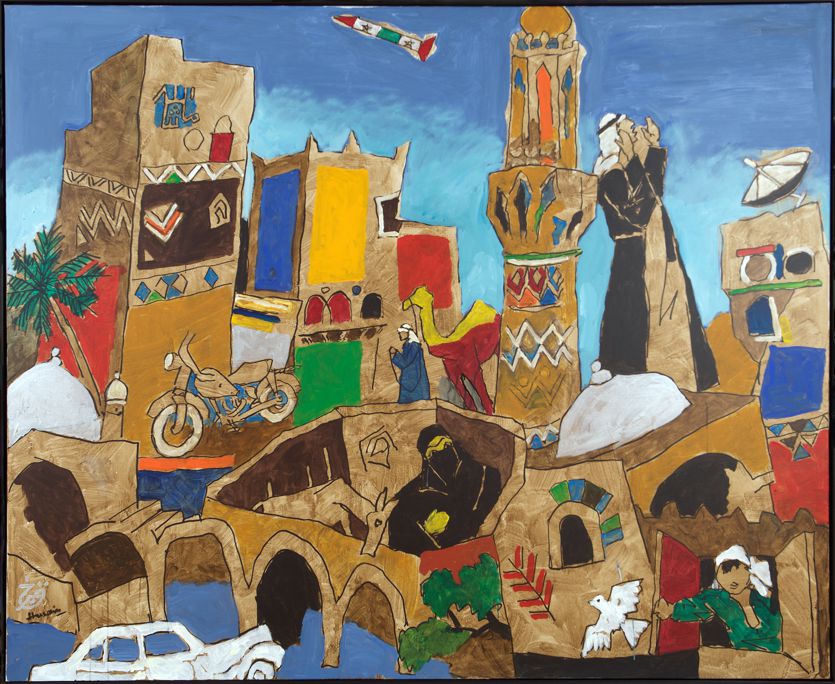
The museum brings together the entire span of the Indian artist's production: paintings, films, photographs, tapestries, poems, installations - a corpus that spans from the 1950s until his death in 2011. Also central is the presence of works produced after his move to Doha, including a series dedicated to Arab civilisation, commissioned by the Qatar Foundation and members of the royal family, testifying to the deep bond between the artist and the country that welcomed him in his later years.
"Husain first visited Qatar in 1984,' says Noof Mohammed, curator of the Lawh Wa Qalam: M. F. Husain Museum and project manager of the Qatar Foundation's art portfolio, 'and exhibited together with the Qatari artist Yousef Ahmad. His visit in 2007 on the occasion of the inauguration of the Museum of Islamic Art in Doha marked the beginning of deep cultural ties with the country. Several of his commissioned works were exhibited, including 'Cross-Cultural Dialogue' and 'The Last Supper in Red Desert'. This not only introduced Husain's art to the Qatari public, but also laid the foundation for his lasting relationship with the nation. His stay in the country was characterised by prolific creativity, as he produced an important series of works commissioned by Qatari cultural institutions'.
The building itself is an integral part of the cultural project: designed by Indian architect Martand Khosla, realised in three and a half years, it reflects an original sketch by Husain, transforming the museum into a kind of three-dimensional 'extension' of his visual language. The museum also follows an already active collaboration between Qatari and Indian cultural institutions: emblematic is the previous project 'The Rooted Nomad: MF Husain', organised in Katara in collaboration with the Kiran Nadar Museum of Art in New Delhi. This institutional dialogue demonstrates how a stable cultural channel is active between Doha and India, parallel to economic and labour relations.
Soft power, cultural diplomacy
The opening of this museum is part of a broader soft power strategy through which Qatar aims to redefine its international image. If, for India, the initiative is read as a posthumous tribute to a central figure in modern art, whose career was, however, marked by controversy and religious pressure that drove him into exile, for Doha, the museum is presented as a building block in the construction of a global cultural space where art, education and dialogue coexist. The gesture also has social and demographic significance. Around 850,000 Indian citizens live in Qatar - 25% of the total population - the largest expatriate community in the country. Dedicating a museum of this magnitude to an Indian artist means speaking directly to this diaspora, acknowledging its presence and consolidating a bond that is at once cultural, economic and human.
On an international level, the museum can become a reference for scholars, curators, artists and visitors from the global South: from India to Pakistan, from Bangladesh to the Arab world. Doha thus presents itself as a new cultural crossroads, a place where South Asia and the Middle East meet, offering an alternative to the traditional Western centres of contemporary art.