
EU: 'No immediate risk on gas supplies but long-term effects'
Dombrovskis: 'Suspension of Stability Pact only in case of recession'. According to the EU Economy Commissioner due to the situation in the Middle East the European economy 'remains at risk of a stagflationary shock'

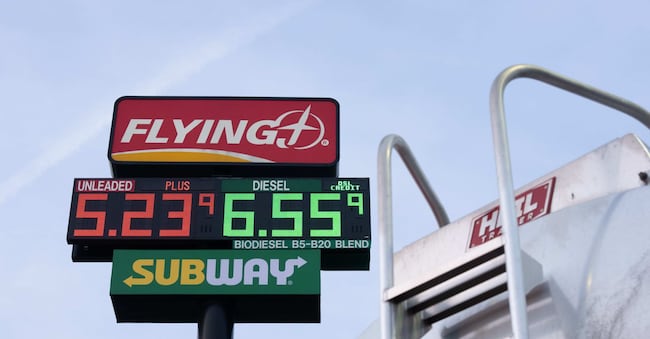
The European Union does not see 'immediate security of supply risks' for gas, but 'long-term consequences' are foreseeable. This is what emerged from the meeting of the Gas Coordination Group held in Brussels this morning. At the meeting, the need to start preparing stocks for winter was reportedly reiterated. EU infrastructures are ready to fill reserves to at least 80 per cent by 1 November. Governments were urged once again to avoid 'the late summer rush' and instead start work on the early release of gas into the reserves.
Dombrovskis (EU): "Suspension of Stability Pact only in case of recession"
In order to activate the suspension of the Stability and Growth Pact, it is indispensable that there is 'a severe economic recession in the eurozone or the European Union. We are currently not in this scenario'. This was said by EU Economy Commissioner Valdis Dombrovskis in a hearing in the European Parliament's Monetary Affairs Committee. An indirect, distant response to what affirmed by Giorgio Meloni in his speech in Parliament.
According to the commissioner, the potential economic impact of the crisis in the Middle East will lead to 'an economic slowdown but not a recession'. However, Dombrovskis reassured that Europe will continue "to monitor the situation".
M stagflation risk
Due to the situation in the Middle East, the European economy 'remains at risk of a stagflationary shock', characterised by slow growth and high inflation, Dombrovskis went on to clarify.
The weight of the US-Iran crisis
The two-week ceasefire reached between the US and Iran "brings a much-needed reduction in tensions, which is also reflected in the energy markets, with Brent crude oil now trading below one hundred dollars per barrel. However, the long-term outlook remains clouded by deep uncertainty," he points out.

