
Donating blood in Europe, the differences between Italy and other countries: between requirements and benefits
Comparing criteria and motivations for blood donation in different European countries

6' min read
6' min read
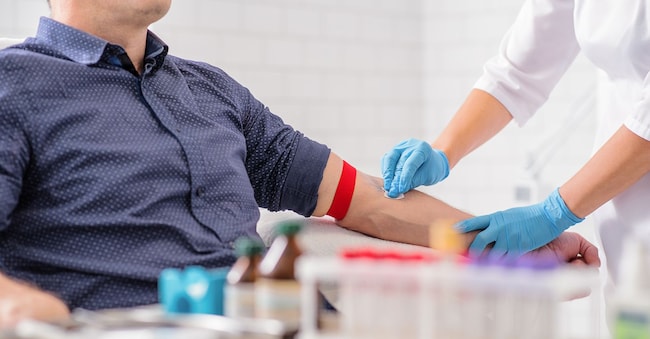
Donating blood is a matter of numbers. It only takes 15 minutes to give 450 ml, a small gesture that can save a life and can be repeated every 90 days. But in Europe the situation is far from uniform, between countries able to guarantee self-sufficiency and others still struggling, between cultures more rooted in gratuitous solidarity and systems that incentivise donors with material benefits.
Italy: self-sufficiency and strict selection
In 2024, Italy was autonomous for transfusions: approximately 640 thousand patients benefited, with a total of 2.3 million units of red blood cells used. Regularly registered donors (Avis, Italian Red Cross, Fidas and Fratres) totalled 1.670 thousand (+1.1% compared to 2023). It is as if the entire population of Calabria went to the transfusion centres to contribute to the collection.
The plasma collection reached 900 tonnes, a record, but still insufficient to meet the need for life-saving drugs such as immunoglobulins and factors for haemophilia: some must be purchased abroad.
To encourage donations, donors are entitled to a day's paid leave, reimbursed by INPS, free breakfasts and medical checks. More than 4,000 collection points are active in Italy, including hospitals and mobile units. The appeal becomes more pressing in summer, when road accidents and climatic emergencies increase the need. The challenge remains to involve young people and women: in 2024 encouraging signs came from the 18-25 age bracket (+5%) and from new female donors (+1.1%).
Donor requirements
.Not everyone can be a blood donor. You must be between 18 and 60 years old, have a body weight of over 50kg and lead a healthy lifestyle.

