
The Inheritance of Shame
‘Dottie’, by Nobel laureate Abdulrazak Gurnah, is a magnificent historical novel set within the claustrophobic confines of a rented room in post-colonial London. The unforgettable protagonist is a young Black English woman who knows nothing of her origins

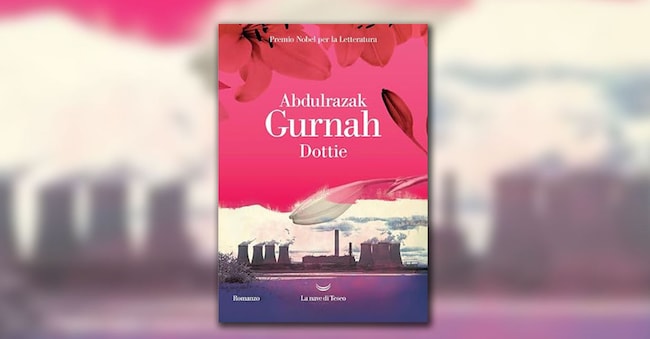
The atmosphere of a great historical novel within the claustrophobic walls of a dilapidated little rented room in London in the 1950s and 1960s. Dottie, the third novel by Nobel Prize-winning author Abdulrazak Gurnah, is a magnificent fresco – viewed through a keyhole – of post-war England, with its factories teeming with migrant workers from the former empire. They arrived in their thousands during the boom years, only to be turned away when the economic boom began to wane. They were turned away under the first anti-immigration laws, passed ‘for the sake of social peace’ by the British government led by Harold Macmillan, ‘compelled to a timid retreat by the presence of a few thousand silent and sombre people over whom it had ruled for centuries’.
Migrants who bring news of African independence, the struggles for African-American rights, and then the succession of coups d’état in the former colonies – in Nigeria, Upper Volta and the Central African Republic – right down to the slums of London: ‘The old barons are overthrown without warning, in broad daylight. New bandits emerge from among the oppressed and make their gruesome attempts to seize power just as the old thieves are forced to step down. It is a period of miracles and pain, of historic events worthy of myth alongside outbursts of the most gruesome barbarism. Irresistible projects to tame the desert coexist with absurd aspirations to the most corrupt luxury.”
England, now, seems ‘a place that is consuming itself, clinging belatedly to its own heritage, fearful that unclean hands might defile and plunder it’. The very country that had ‘plundered everyone else’s sanctuaries for its own greater glory’ now seems ‘irrelevant, preoccupied with an outdated view of the world, constantly snorting and ranting about the humiliations inflicted upon it’.
Only now translated into Italian – in Alberto Cristofori’s fine rendering – it is hard to imagine that this book was written 36 years ago, given the modernity and urgency of the themes it explores and the freshness of its protagonist.
It is the deeply moving and painful story of Dottie, the daughter of a woman who escaped from a father obsessed with reputation and control, and from the arranged marriage he was about to force upon her, only to end up earning a living through prostitution and dying of a sexually transmitted disease of which she is so ashamed that she refuses to be diagnosed or treated.


