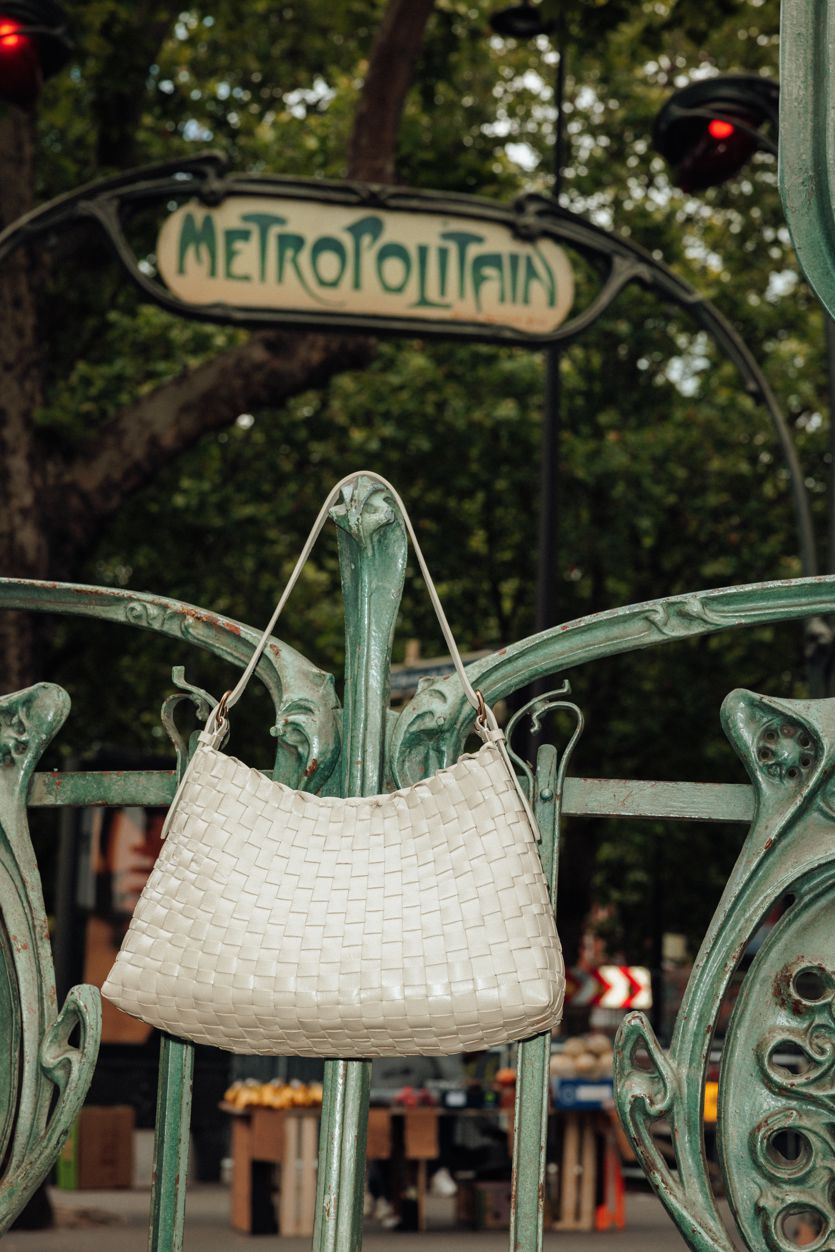
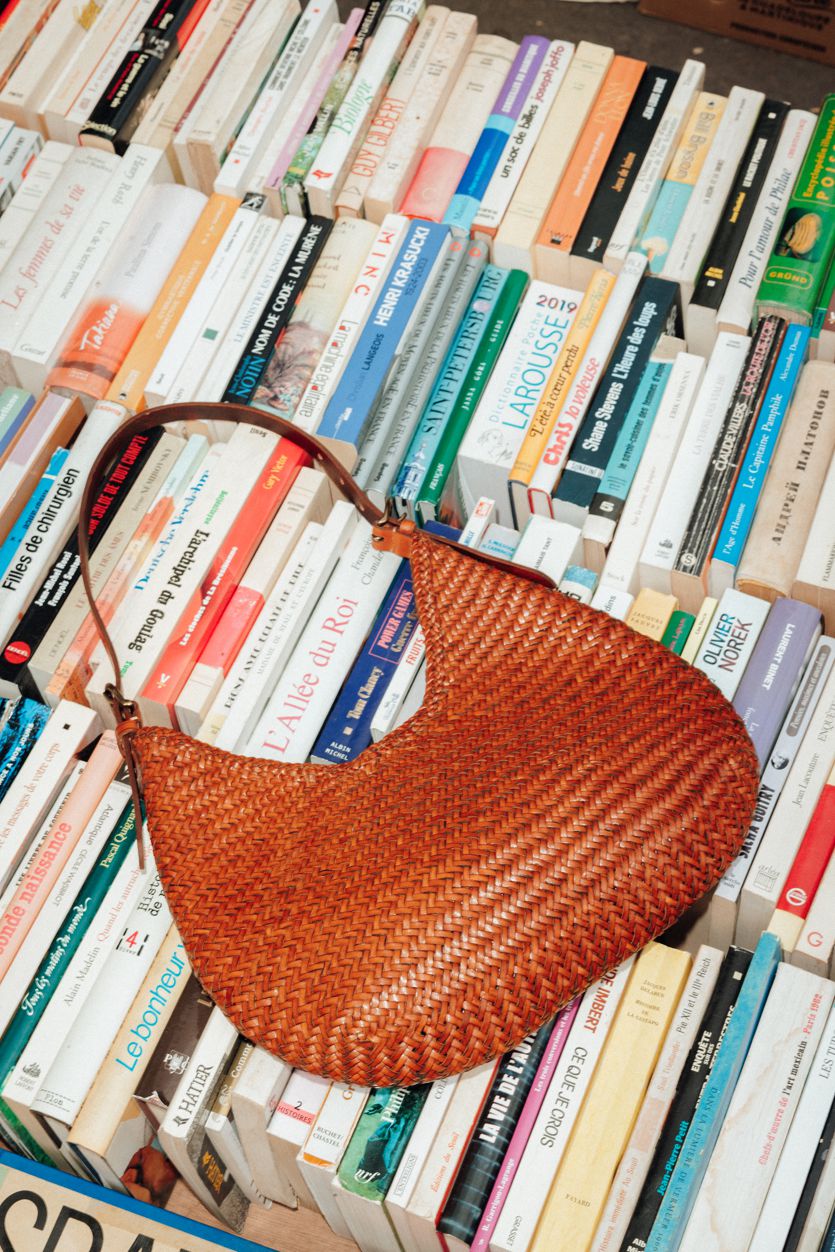
Dragon diffusion makes craftsmanship its banner
The brand has come to produce 25,000 bags per month since Craig Wright modernised the woven basket


Inspiration came from the straw and bamboo baskets that women in many parts of the world use in their daily lives. Taking inspiration from a tradition and elaborating it in a modern key, the founder of Dragon Diffusion was able to make the brand known for its commitment to craftsmanship, but also for its timeless design. In fact, the brand is associated with an iconic bag that is successful across countries and generations.
The history of the brand is intertwined with that of Craig Wright's family. Craig's great-grandfather came to New Zealand from Scotland and went into the leather goods business. Years and years later Craig started working, still in the leather business (particularly belts) for the Ralph Lauren brand and moved first to Paris and later to Belgium, where he still lives.

Observing around the world the techniques used to weave plant fibres into baskets, such as those used by indigenous communities in the Pacific Islands, but also in New Zealand and other areas of the world, Wright thought of transferring the same methods of workmanship to the world of leather goods, replacing bamboo and other plants with strips of leather. Similar working traditions can be found in the refined wicker baskets and baskets of France (we all remember the basket made famous by Jane Birkin for example) and the UK, as well as in the Japanese art of bamboo basketry. Thus, in 1985, Dragon Diffusion was born, a brand specialising in the creation of strictly hand-woven leather bags. 'A brand with an unmistakable style, which has made attention to detail and craftsmanship its strength,' Craig tells Il Sole 24 Ore.
"The basis of our design process was curiosity," says Craig. "Our bags are a tribute to the art of basketry, which has existed for centuries in communities around the world.
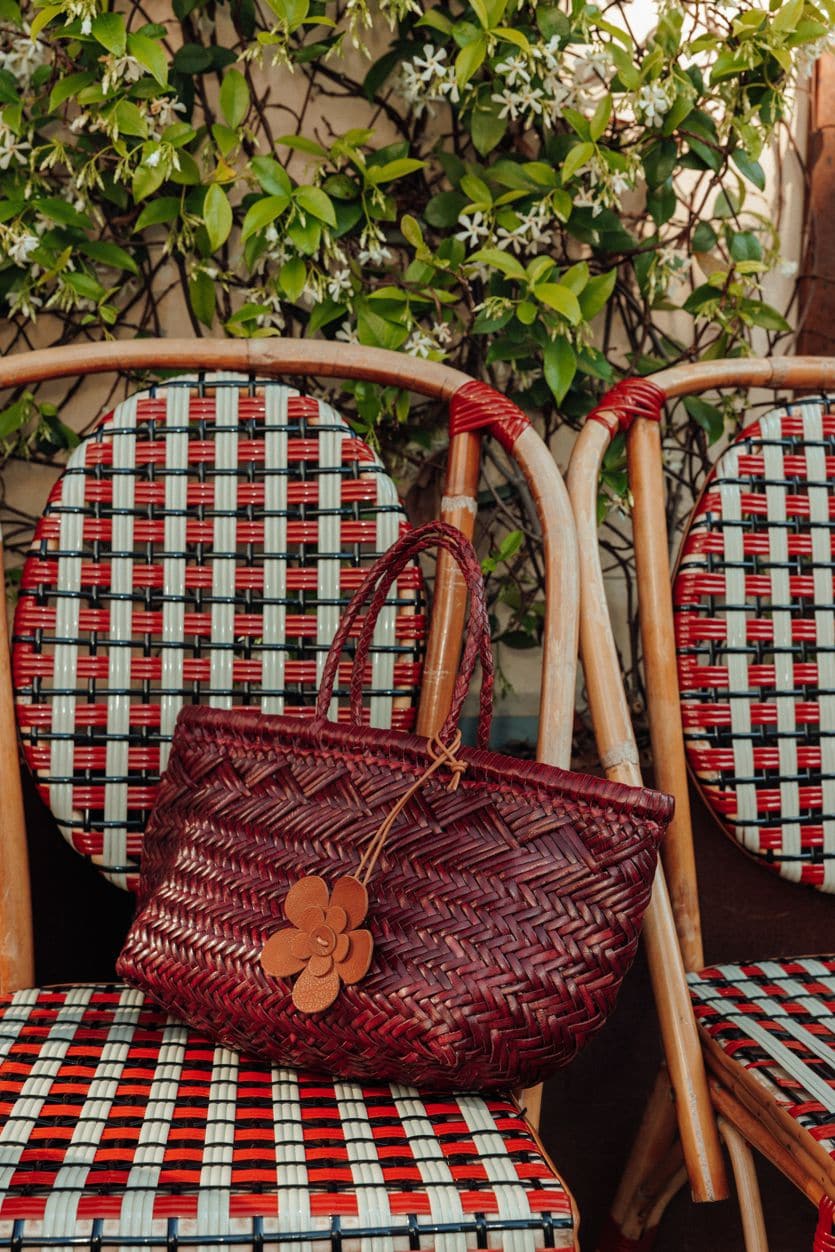
Each bag is made by Indian craftsmen in the Ranipet factory near the city of Chennai. The choice? Since the 1960s, there has been a tradition of cattle breeding and leather processing here.