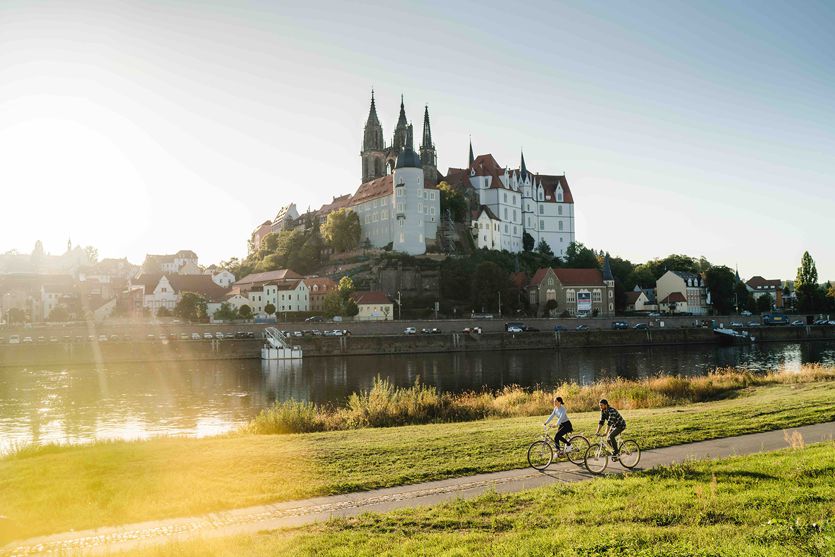
From Dresden to Leipzig, a trip to Saxony amid nature and cultural events
What the two cities have in common is their long-standing tradition for classical music, to which some of the most interesting festivals throughout Europe are dedicated

Key points
On one side is Dresden, monumental and baroque, on the other side Leipzig, contemporary and creative. What the two German cities have in common is the tradition of classical music: an invaluable heritage that still echoes today in opera houses, churches and concert halls. Visiting Dresden and Leipzig means discovering the various facets of Saxony, the region in eastern Germany that combines a thousand years of history, art and nature and welcomes visitors with great cultural events. Among the most important are, in Dresden, the first Correggio retrospective outside Italia - from 19 September at the Gemäldegalerie Alte Meister - and the reopening of the baroque courtyard of the Zwinger. While in Leipzig, from 11 to 21 June, the Bachfest returns with a programme of two hundred musical events. Separated by about an hour's journey, Dresden and Leipzig are well connected to the rest of Germany by long-distance trains and can also be reached by plane, both having their own airports.
Florence on Elba celebrates Baroque and pays homage to Correggio
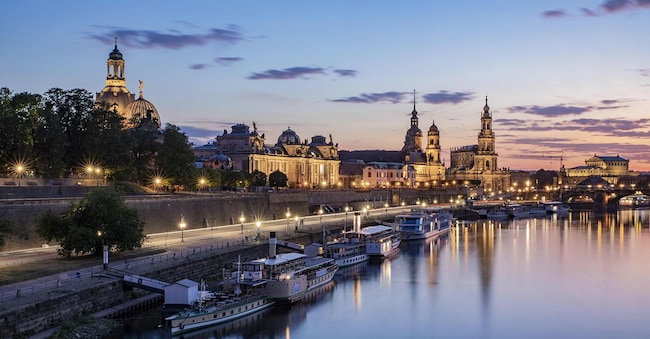
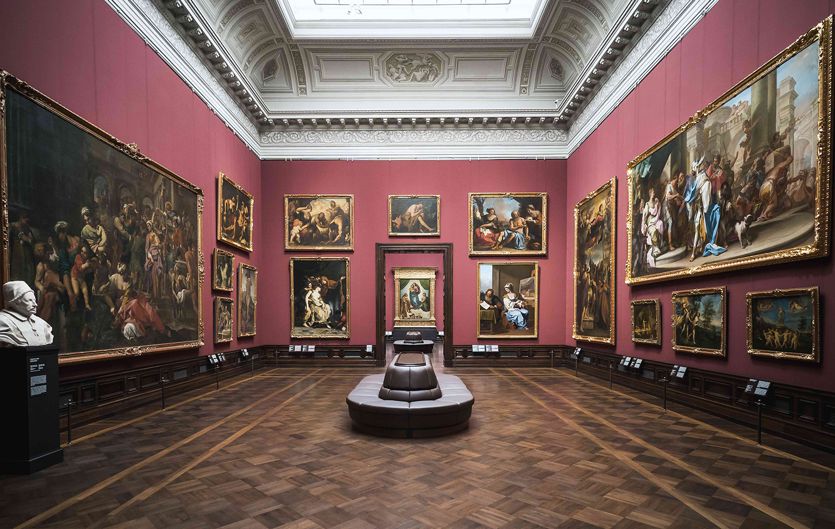
Although World War II bombings destroyed much of the city, Dresden - the capital of Saxony - has retained the charm of its Renaissance and Baroque architecture, which earned it the nickname 'Florence on the Elbe'. It is on the left bank of the river that rises the Altstadt, the old town, which manifests itself in faithfully reconstructed places such as Frauenkirche, the Church of Our Lady. One of the highest expressions of Baroque magnificence is the Zwinger: built by Augustus the Strong at the beginning of the 18th century as a venue for the European aristocracy's ceremonial festivities, the complex houses art treasures including the Gemäldegalerie Alte Meister, the prestigious Old Masters' Picture Gallery which holds masterpieces such as Raphael's Sistine Madonna. It is in this gallery that an unprecedented event will take place from 19 September 2026 to 10 January 2027: the first complete retrospective ever staged outside of Italia of Antonio Allegri known as Correggio (1489-1534). The works of the Emilian master, normally scattered between Italian and international collections, will be displayed in a single itinerary to admire masterpieces that revolutionised Renaissance art, such as the Madonna of Saint Sebastian.
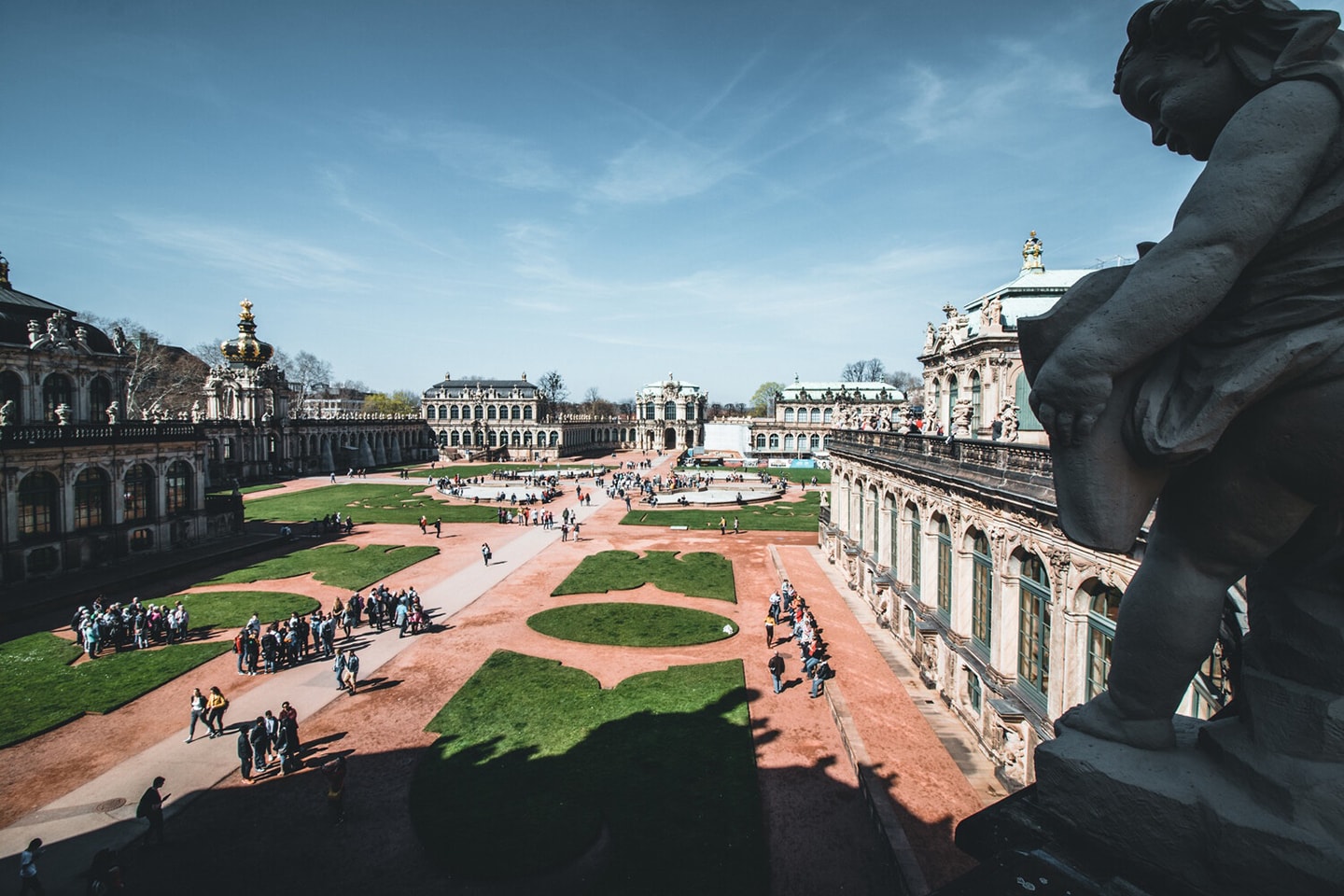
Also reopening in June 2026, after a four-year renovation, is the Zwinger courtyard, which once again shines and evokes the era of the Saxon court amidst fountains, sculptures and the famous Italian orange groves. Next to the Zwinger stands the majestic Semperoper, the Dresden Opera House, considered one of the most important institutions of its kind, a reputation to which the important musical and artistic personalities who continue to perform on its stage have contributed.
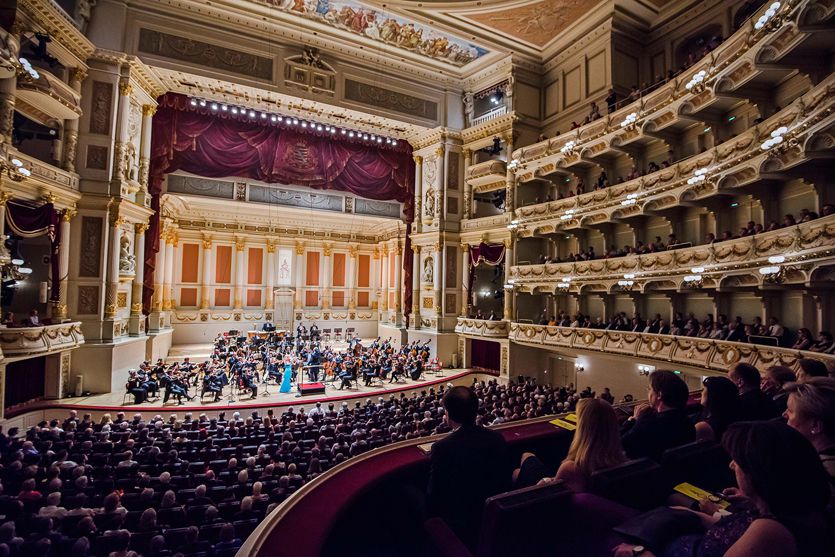
Semperoper and Frauenkirche are among the venues that host the more than sixty concerts of the Dresdner Musikfestspiele, the Festival of Classical Music that runs until 14 June 2026, one of the largest and most popular in Europe, which each year boasts a programme that combines international names from the classical music scene with young emerging talents. In the heart of Dresden's Old Town, the Baroque also manifests itself when strolling through the sixty hectares of the Großer Garten, the city park celebrates three hundred and fifty years with a series of dedicated events: special plantings, themed tours, open-air concerts and initiatives that highlight both the nature and history of the garden.
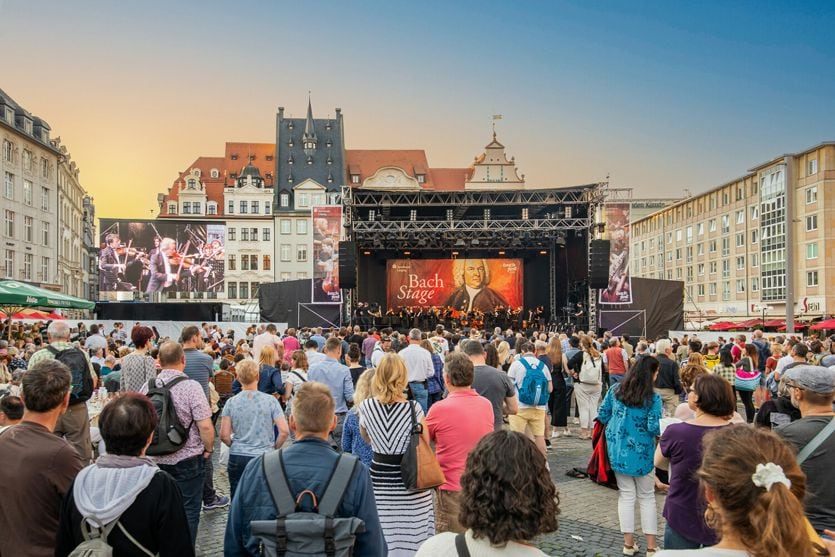
In the sign of Johann Sebastian Bach
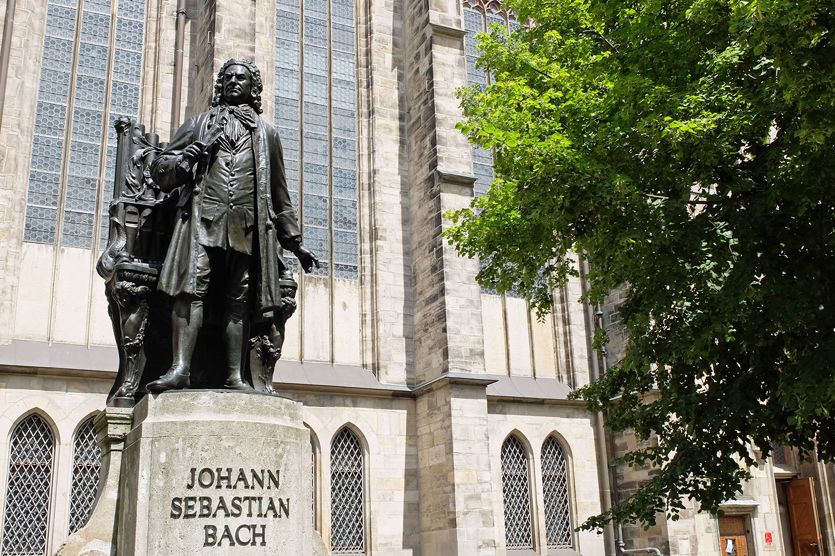
With its industrial past now reinvented among creative quarters, ateliers and a vibrant contemporary cultural scene, Leipzig is among the most interesting centres of eastern Germany. A city of music par excellence, it has welcomed some of the most famous composers, such as Johann Sebastian Bach, who spent the most significant years of his life here, playing in places that still echo his music, including St. Thomas Church, made famous by the fact that he played the organ there and conducted the choir from 1723 to 1750.