
Thus, high energy costs are driving up production costs for Italian industry
The biggest increases were in the chemicals and metallurgy sectors. Food prices have slowed on a year-on-year basis

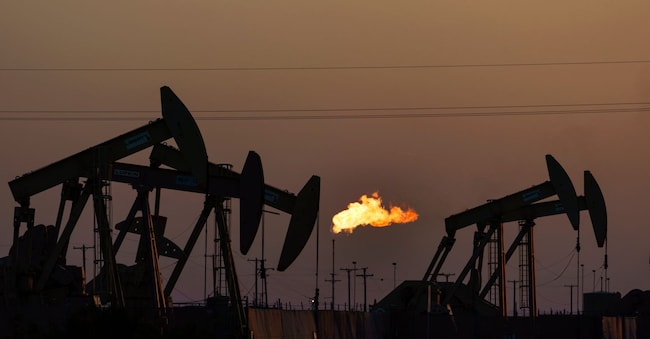
Six points in June. That rose to eight the following month. Then eleven in August, and now almost 14. The progression of the year-on-year increases in producer prices recorded by Istat speaks volumes about the scale of the problem, which has not been seen on this scale since the peaks of 2022. The wave of energy price rises – with electricity, gas and fuel prices bearing the brunt of the war in Iran – is thus beginning to trickle down progressively through the production chains, creating a knock-on effect across the entire economy.
The rise in producer prices in September – up by almost three percentage points on the previous month and representing a 13.8 per cent increase year-on-year – statistically confirms what companies’ procurement departments are now seeing on a daily basis, with price rises affecting a wide range of sectors. Once again, the energy sector is driving the averages, with producer prices for electricity and gas rising by 39 per cent, whilst the oil refining sector is seeing an annual increase of nearly 90 per cent.
Among the manufacturing sectors, the sharpest price rises have been recorded in the upstream stages, namely the chemicals sector (+9.9 per cent), the metallurgy sector (+7.4 per cent) and the rubber and plastics sector (+5 per cent).
Elsewhere, price rises are more moderate for the time being, with an average – excluding energy – showing growth limited to 3.5 per cent, just above the August figure. The food sector, in particular, is keeping the figures in check, with prices actually falling by 1.4 per cent year-on-year. The food sector, incidentally, was also among the last to see prices rise in 2022, ‘held back’ downstream by the usual reluctance of large-scale retail chains to pass on price increases from their suppliers.
These price rises are likely to materialise shortly, given that upstream prices continue to soar: yesterday, European gas prices once again exceeded 100 euros per megawatt-hour, a threshold last breached in 2022, the year of the Russian invasion of Ukraine. The price of this commodity is now more than triple what it was 12 months ago.


