
Duties, the LVMH factory test in Texas
The factory of the giant LVMH, opened in the US to produce locally and avoid the tariffs threatened - and then imposed - by Trump, struggles to maintain quality standards up to the brand's standards, according to Reuters. This is why

2' min read
Key points
2' min read
When Bernard Arnault, patron of LVMH, the world's largest luxury brand and group, opened aLouis Vuitton handbag factory in the heart of Texas in 2019 together with Donald Trump, the message was: luxury is also made in America. Six years later, according to Reuters, that dream seems to have been derailed.
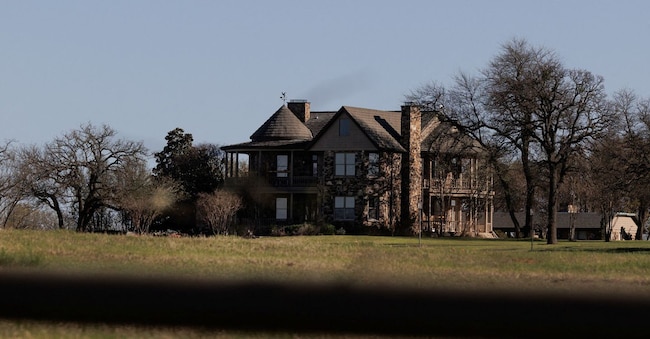
Behind the gates of the 250-acre Texas estate called "Rochambeau", amidst cattle and gas wells, according to numerous testimonies given by former employees to Reuters, the site struggled to meet the brand's quality standards, with substandard material rejection rates, unskilled staff and a pressurised working environment.
An experiment born of political blackmail
.Opening a factory in the US was not just an industrial choice, but a defensive move. LVMH, like many European companies, feared the duties threatened by the Trump administration on luxury goods imported from Europe. Opening a production site in Texas meant gaining time, political favours and, not least, major tax breaks. The topic is obviously back in the news now that Trump is back in the White House and the topic of tariffs divides the US and the rest of the world.
Johnson County, where the factory is located, gave the luxury giant a 75% discount on property taxes for a decade, promising savings of nearly $30 million. In return, LVMH promised up to 1,000 jobs within five years. Now there are less than 300 employees.
Working in the Texas Factory
.In the Texas factory the 'Made in USA' bags are assembled by workers initially paid $13 per hour, later rising to $17. As Reuters points out, the minimum wage in Texas is $7.25 per hour. Some come from migrant backgrounds, attracted by the prestige of the brand, but often unprepared to meet the technical demands of luxury production.

