
An early summer and soaring energy prices: here’s how much it costs an average family to switch on the air conditioning
According to estimates by Assium, the association of Italian utility managers, Italians’ spending on cooling measures this year will be significantly higher
Key points
- Rates on the rise
This year, Italian households’ expenditure on air conditioning and home cooling systems could exceed €400 per household for the entire summer period. The figures come from Assium, the association of Italian utility managers, which highlights that this year the financial burden on Italians to beat the heat will be significantly higher. ‘Keeping cool at home will be more expensive for Italians this year, and to avoid nasty surprises on their bills, it is essential for consumers to be aware of the tariffs and terms applied by their supplier, as well as the energy consumption of the electrical appliances used in the home,” notes Assium president Federico Bevilacqua.
This year, the intense heat has arrived earlier
The costs associated with the use of air conditioners, dehumidifiers, fans and other electrical appliances are primarily influenced by the climate: this year in Italia, the intense heat arrived earlier, and as early as May, a rise in temperatures was recorded across the peninsula, with red and orange heat alerts in numerous cities. Secondly, the ongoing war in the Middle East, as is well known, has caused energy prices to rise on the markets, resulting in higher electricity charges on bills.
Energy consumption (and utility bills) vary depending on the model
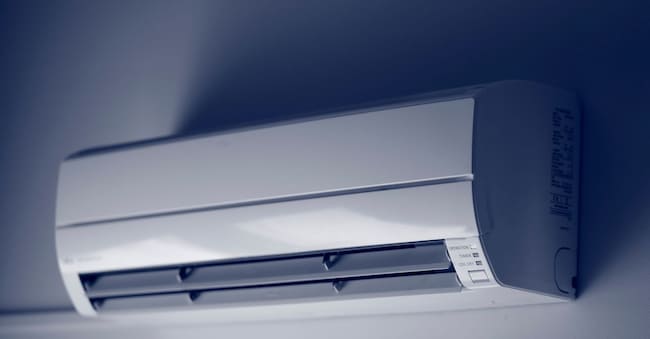
The energy consumption associated with the use of air conditioners has a significant impact on Italians’ energy bills, and the final cost depends on several factors: portable models, for example, consume more energy, using between 1 and 1.5 kWh per hour of operation; fixed split units without inverter technology, on the other hand, have an average hourly consumption of between 0.8 and 1.2 kWh, whilst those with inverter technology consume between 0.4 and 0.7 kWh; two-unit multi-split systems cover more rooms but have a final consumption of between 1.2 and 1.8 kWh/h. Energy consumption also depends on the power of the air conditioners, which is expressed in BTU (British Thermal Units): higher power corresponds to greater energy consumption.
Regardless of consumption, however, electricity tariffs are set to rise significantly this year – warns Assium – The average price of electricity calculated by the GME has in fact risen from around €112/MWh in June 2025 to around €132/MWh in June 2026, an increase of +17.8% with direct implications for bills: according to the latest Istat data, electricity tariffs are now on average 7.2% higher than last year, and this will result in a significant increase in expenditure linked to the use of air conditioners.
According to calculations by Assium’s utility managers, using air conditioners for a total of 100 days between May and August results in a total cost which, depending on the number of hours used per day, the set temperature and the model of unit used, ranges this year from €95 to €170 per household if a single new-generation inverter split unit is used, rises to between €145 and €215 for basic split units or older models, and exceeds €400 for multi-split systems.

