
EasyJet: green light for Apollo’s £5.7 billion takeover
The shareholders’ meeting has approved the deal, which is set to be finalised by the end of the first quarter of 2027. The airline is set to strengthen its presence at Linate with two additional aircraft

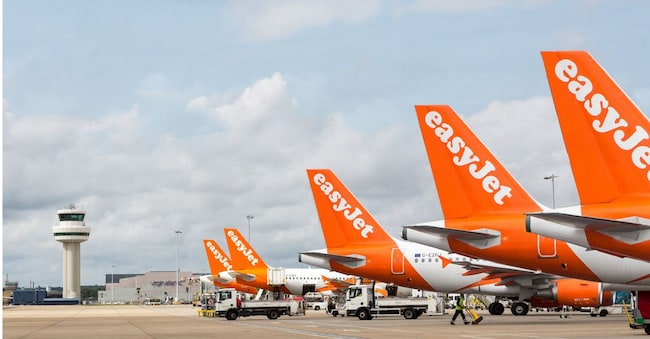
easyJet’s shareholders have approved the acquisition of the low-cost airline by the US fund Apollo, in a deal worth 5.7 billion pounds. This green light marks a decisive step for one of the most significant private equity deals in the European aviation sector in recent years, whilst the British airline is strengthening its presence at Milan airport with five aircraft: following the conclusion of the wet lease agreement with Ita Airways – that is, a contract to lease aircraft and crew – two additional Airbus A320s are arriving at the airport, bringing the total number of aircraft to five.
Meanwhile, the British airline aims to complete the transaction by the end of the first quarter of 2027. Once the deal is finalised, easyJet will delist from the London Stock Exchange, where it has been listed for over 25 years, and will thus come under the private ownership of the US fund.
However, the path to completing the acquisition remains subject to a number of regulatory issues, particularly on the part of the European Union. Brussels is, in fact, preparing a review of the rules on airline ownership, with the aim of preventing foreign investors from acquiring effective control of carriers operating in the EU market.
This issue directly concerns easyJet. Although the company is based in the United Kingdom, it relies on European licences to operate bases and routes within the EU. EU legislation stipulates that the majority of the share capital of airlines holding such licences must be held by entities based in the EU.
To comply with these requirements, easyJet has already suspended the voting rights attached to certain shareholdings held by non-European investors. At the time of the general meeting, the proportion of shares held by European shareholders stood at 35.07 per cent.


