
EasyJet: the Apollo era begins – talks with Virgin on long-haul flights
Moody’s places the rating on review: ‘The future capital structure is unclear’. The Italian market is a strategic asset for the group

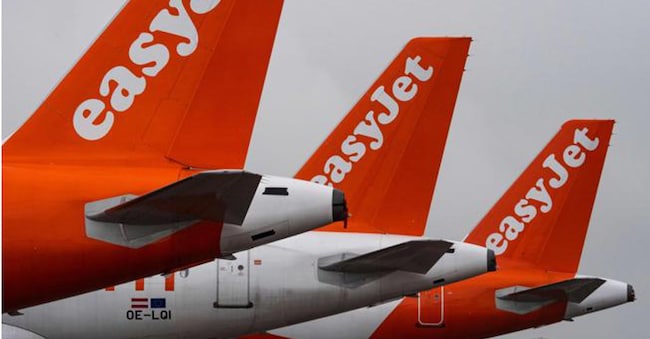
The direction that the acquisition of the low-cost airline easyJet by the private equity fund Apollo Global Management was not long in coming. According to the British press, the airline is reportedly in talks with Virgin Atlantic, Richard Branson’s airline, regarding codeshare and interline agreements on long-haul routes to allow passengers to purchase a single ticket and fly with two airlines on different legs of the journey. If the £5.7 billion takeover goes ahead – that is, if it secures the approval of the shareholders’ meeting (which is a foregone conclusion) and the European authorities (which is less certain) – easyJet will set about accelerating its strategy to position itself in the high-end market, seeking agreements with other airlines and finding ways to charge passengers for extra services.
Last week, the board accepted Apollo’s £5.7 billion takeover bid following the withdrawal of the other US fund, Castlelake. The offer amounts to £7.15 per share in cash, but so far the share price has remained below this level, standing at £6.73 per share yesterday, suggesting that investors may be sceptical about whether the European regulatory hurdles regarding non-European ownership of capital can be overcome – an issue that has not yet been clarified.
This is a warning sign that has not gone unnoticed by Moody’s analysts, who have confirmed the Baa2 rating but placed it under review: “Although easyJet’s future capital structure is not currently clear, the transaction introduces significant uncertainty regarding the airline’s prudent financial policy, which is a key pillar of the Baa2 rating currently assigned to easyJet,” the analysts write.
What has become clear so far is that the US fund is not acquiring a stake in the company to radically alter its low-cost model, but to increase its value by boosting profitability and cash generation. In recent financial years, the British airline has benefited from the recovery in demand following the pandemic, but it continues to operate in an environment of intense competitive pressure, fuel price volatility, rising airport costs and delays in aircraft deliveries: the airline has never recovered to its pre-pandemic stock market levels and is still down by 43 per cent. The strategy attributed to Apollo fits squarely within this approach: to maximise the value of the most profitable businesses, such as ancillary services, holiday packages, loyalty programmes and commercial partnerships with long-haul carriers.
In Italia, its second-largest market after the UK, easyJet has invested between 30 and 40 million euros in ‘remedy slots’ at Milan Linate and Rome Fiumicino, which were relinquished by Lufthansa following its acquisition of ITA Airways; at Milan Malpensa, it has 22 aircraft based there, making it one of the airport’s main operators, as well as having a significant presence at various airports such as Naples, Venice, Olbia, Catania and Palermo, and with 262 routes to and from Italia in 2026, the change of ownership is not expected to result in any substantial changes in the short term.


