
Ebola in the Democratic Republic of the Congo: the death toll from the outbreak has exceeded 1,500
The death toll from one of the ‘fastest-spreading’ outbreaks in the history of the virus is rising
from our correspondent Alb.Ma.
 Aggiungi Il Sole 24 Ore
ai preferiti su Google
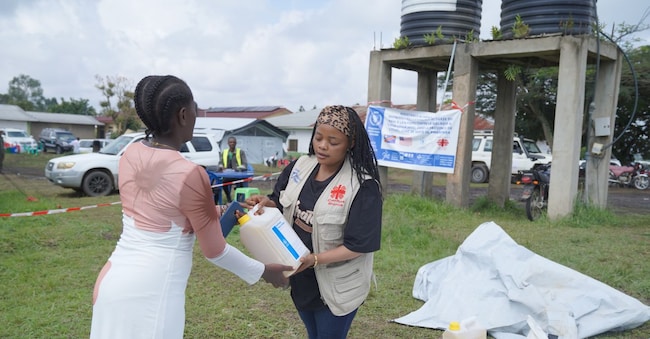
The death toll from the latest Ebola outbreak in the Democratic Republic of the Congo continues to rise; the authorities have classified it as one of the ‘fastest-spreading’ outbreaks in the history of the virus. The latest figures released by the authorities show a total of 1,521 deaths and 3,442 cases, with the death toll rising by 50 per cent compared with the previous week.
The United Nations has (once again) sounded the alarm over virus containment, stating that emergency response capacity must be increased ‘three to five times’ to keep pace with its spread. Figures released by the Associated Press show 797 patients in isolation or hospitalised, compared with 615 who have recovered. Contact tracing remains inadequate, with 78 per cent of contacts being monitored, falling short of the 95 per cent threshold needed to halt transmission. There is, however, some positive news from Uganda: Kampala has announced that its last case has recovered, although the World Health Organisation reiterates that the country must still be considered at risk.
The spread of the virus
The outbreak was declared in mid-May and is caused by the Bundibugyo variant, which is considered more dangerous because there are no vaccines or appropriate treatments available to combat it. Efforts to manage the virus are complicated by the geographical area in which it is spreading, the province of Ituri: a region on the eastern border of the Democratic Republic of the Congo, home to artisanal mines, ravaged by years of armed conflict and now also threatened by the advance of the pro-Rwandan M23 rebels, who are at war with Congolese government forces in Kivu. The combination of logistical failures and political tensions is hampering the efforts of healthcare workers, who are already targets of attacks and hampered by a lack of adequate resources. The United Nations has reported that less than half of the $2.1 billion requested has reached its destination in the DR Congo.


