The epidemic

Ebola, WHO: very high risk in DR Congo, virus spreads rapidly

The organisation raises the alert level on a regional scale, although it remains 'low' on a global scale. Balance sheet updated to 750 cases and 177 suspicious deaths

from our correspondent Alberto Magnani

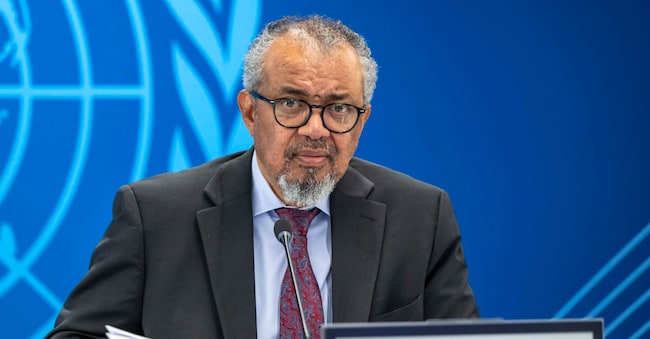
Il numero uno dell’Oms, Tedros Adhanom Ghebreyesus  EPA

2' min read

Translated by AI
Versione italiana

2' min read

Translated by AI
Versione italiana

NAIROBI - The director of the World Health Organisation, Tedros Adhanom Ghebreyesus, said he was "deeply concerned" about the development of the latest Ebola outbreak and announced the raising of the epidemic risk level from "high to very high" in the Democratic Republic of Congo.

On a global scale, the degree of alert is still classified as 'low' by the organisation.

Loading...

Tedros sounded the alarm at the 79th World Health Assembly, warning of the 'rapid expansion' of the virus spread in its Bundibugyo variant.

The official count includes 82 cases and seven confirmed deaths in DR Congo. (a tally updated from day to day, ndr), the actual one may be different.

"We know that the outbreak in the DRC is much larger. There are now almost 750 suspected cases and 177 suspected deaths," said Tedros, adding that "the situation in Uganda is stable, with two confirmed cases in people who travelled from the DRC and one death.

Kenya has recorded some suspicious cases, with isolations arranged by the health authority.

TheHealth Minister Aden Duale confirmed that they are all negative, but also admitted that 22 of the 47 counties are to be considered 'high risk' for infection and subject to the necessary controls.

The new outbreak and risks of expansion

The Ebola outbreak detected in DR Congo is the 17th in the country's history since 1976.

The presence of the virus was confirmed in early May in Ituri, a province on the eastern Congolese border with Uganda, but health authorities believe the disease had been widespread for several weeks before the confirmed diagnosis, and the alarm has now been reiterated in the UN.

The Bundibugyo strain is considered more insidious because there is no cure or specific vaccine, although the WHO is evaluating some trials and expects a drug to be developed within six to nine months.

The virus is transmitted by direct bodily fluids from infected patients and corpses, a circumstance that has just prompted the Congolese authorities to prohibit funeral vigils and assemblies with more than 50 people in the north of the country.

"At this point, we still do not have a full picture of the extent of the epidemic," Anne Ancia, the WHO representative in DR Congo, tells the Sole-24 Ore. "There is therefore no such thing as "zero risk"".

Copyright reserved ©
  • Alberto Magnani

    Alberto MagnaniCorrispondente

    Luogo: Nairobi

    Lingue parlate: inglese, tedesco

    Argomenti: Lavoro, Unione europea, Africa

    Premi: Premio "Alimentiamo il nostro futuro, nutriamo il mondo. Verso Expo 2015" di Agrofarma Federchimica e Fondazione Veronesi; Premio giornalistico State Street, categoria "Innovation"

Loading...

Brand connect

Loading...

Newsletter

Notizie e approfondimenti sugli avvenimenti politici, economici e finanziari.

Iscriviti