
ECB, here's why it will hold rates steady in February too
The price situation remains stable while no pressure on the growth front emerges despite uncertainties over tariffs and geopolitics
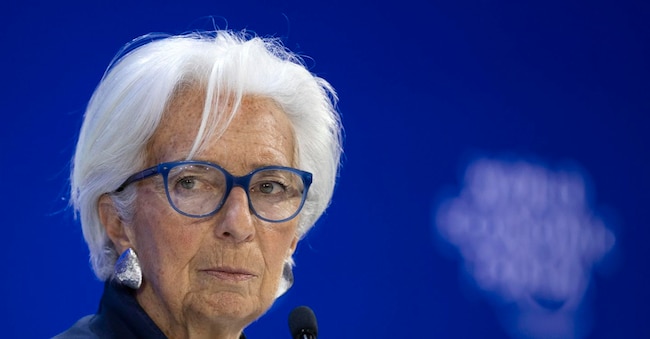
Rates still firm. At the levels decided in June 2025: 2% for bank deposits, 2.15% for refinancing operations, 2.40% for marginal transactions. Expectations for the European Central Bank's February meeting leave no room for new interventions on the official cost of credit: the monetary authority's current stance seems compatible with the macroeconomic picture as it emerges from the latest data and no pressure to change it emerges.
No pressure from inflation
The inflation situation - at 1.7% in January - is consistent with December's macroeconomic projections and does not yet signal excessive price cooling. The ECB admitted some time ago that it has moved out of the restrictive phase; at current levels, the real rate (calculated using the inflation target) is close to zero and is close to the estimates - of limited value for monetary policy especially in this phase of uncertainty, albeit less and less intense - of the neutral rate. Dominant reasons to intervene, in the logic of central banks, do not clearly emerge: the signals are subdued and not unambiguous, and reduce the possibility of defining an intervention preferable to maintaining the current situation. Inflation expectations (as measured by the 5y5y inflation rate swaps) had fallen just above the 2% target at the end of December (to 2.05) and then quickly climbed back to around 2.15, the highest since 2 July: a small thing, which does not generate pressure to change the stance, although the variable remains sensitive for monetary policy purposes.
Still some tension on services
The core index is at 2.2%: some caution may still be necessary, but the prices of services, which have been growing for a long time, stubbornly, at a rate close to 4%, are now showing a slowing trend, albeit with some tension in recent months: this is evident in the annualised quarterly measure, although not yet in the annualised half-yearly one. Only a clear reversal of the trend and a departure from the ECB's tolerance ranges could lead to a redefinition of the monetary policy stance.
Strongly growing loans
It does not appear that the situation on the growth front - which is not the central bank's objective, unless it affects prices - introduces any additional constraints for the ECB. Loans continue to grow, they are at an all-time high (in nominal terms) and their annual growth is above the median of the last twelve years. The data are at a standstill as of December, but the feared demand shock linked to US tariffs does not seem to emerge from the exploratory observation of the main statistical aggregates, despite the sluggish performance of the German economy, which is the most exposed to international trade headwinds (the stability of the average data may, in short, conceal asymmetric effects along the production and territorial chain that monetary policy would not be able to manage).
Cost of credit
The average cost of credit has taken on board the signals coming from the Central Bank and rates have stabilised: they remain higher than the median, with a wider differential in France, which has in fact always enjoyed a low cost of credit; now, however, the rise in yields on OaT government bonds, which provide the "floor" for the entire rate structure, is being transmitted to the credit and financial system, following the increase in deficit and debt and coinciding with the political instability that has slowed down budget approval. Some small signs of an upturn were felt - but the data are stuck in November - in Spain and Italia, where rates exceeded the German level after thirteen 'abnormal' months.


