Ecotourism: the new profession of coral gardeners
Revitalising the reef, boosting the local economy. Naturalist Titouan Bernicot, from Thailand, talks about his underwater park project.

I've dreamed of saving the ocean ever since I left school in 2017 to set up the Coral Gardeners project, my reef restoration non-profit in French Polynesia. I wanted to go beyond the Pacific, and almost ten years later, I can say I have succeeded: now my team has eighty people, including Berkeley scientists who plant corals, develop monitoring methods and raise awareness about climate change, and we are also active in the Indian Ocean. In 2022, Yodchai Sudhidhanakul, a businessman from one of the five families that own the island of Koh Mak in eastern Thailand, contacted us. He was concerned because he had discovered that the island's coral reef, one of the largest in the region, was in poor condition, and asked us for support.
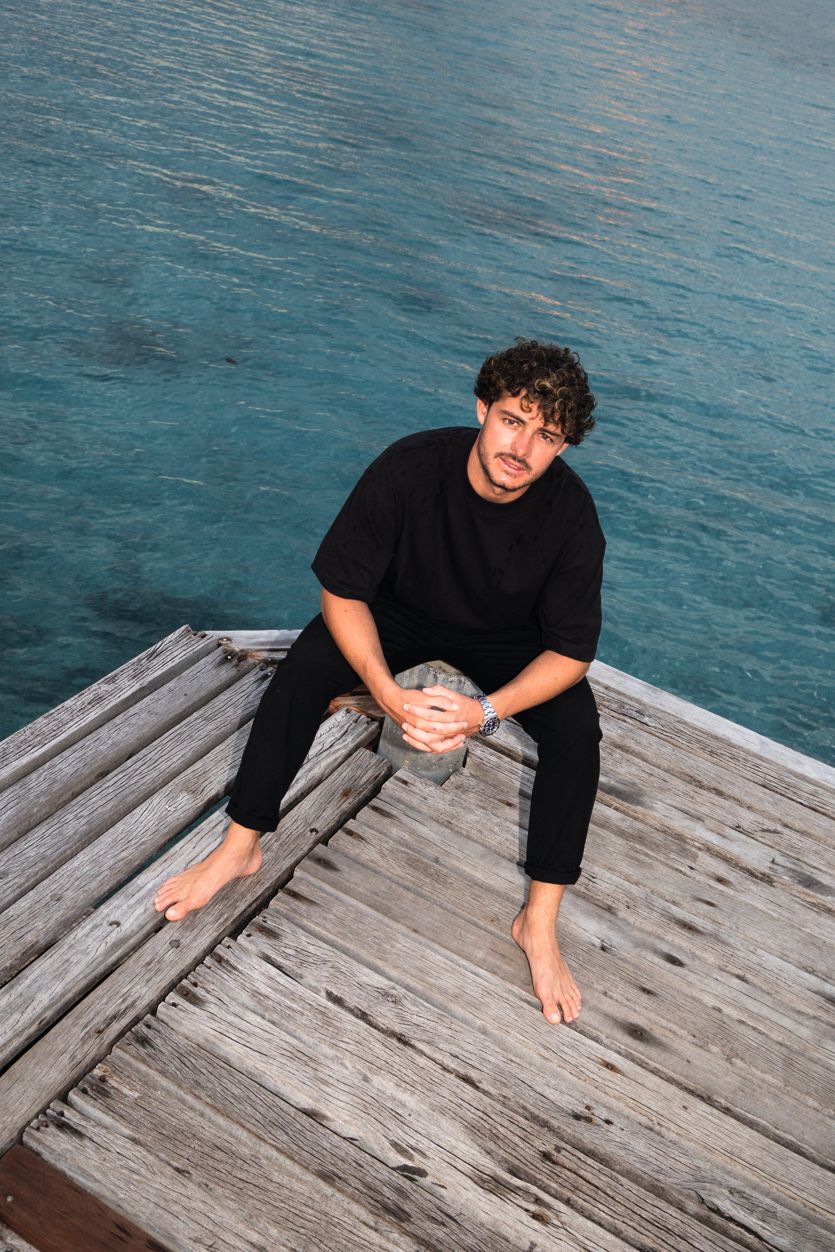
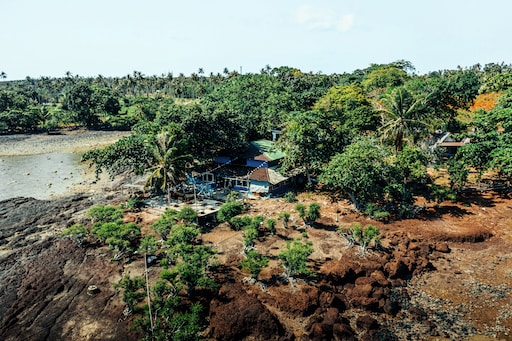
First, I inspected the islands of Koh Mak and Koh Kood, which are about a thirty-minute boat ride apart, with some of our scientists. I found beautiful white sandy beaches and cultivations of caoutchouc (rubber trees). Koh Kood is bigger and further away: it has lush jungle with small waterfalls and old trees considered sacred, while Koh Mak is so small that you can get around it all by bicycle.
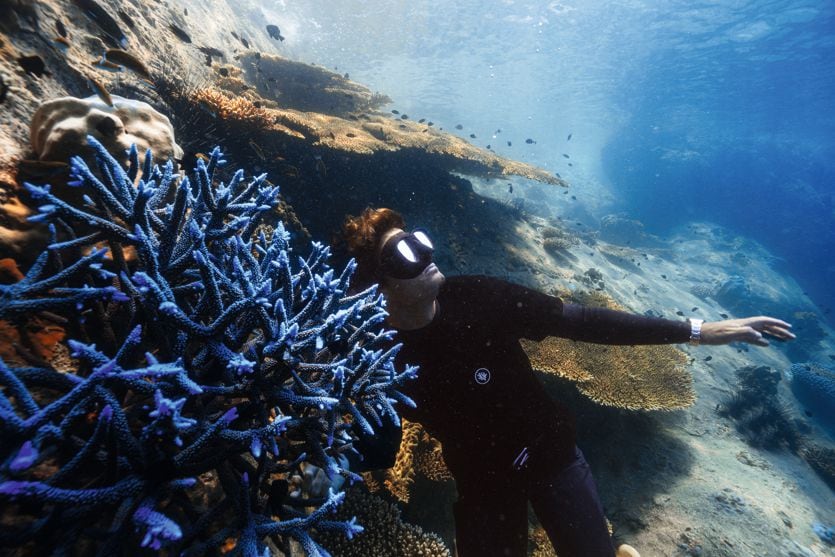
Diving underwater left me speechless, I did not expect such a diversity of coral species. My favourite now is the bubble coral, with hard polyps in the shape of balls that almost resemble candy. The reef is also populated by small yellow stingrays with electric blue dots hiding, schools of colourful fish, soft corals, giant flat corals and sea urchins. But there are also areas that have been completely destroyed by global warming, ocean acidification and non-conservative fishing methods, such as the use of dynamite, which have severely damaged the seabed.
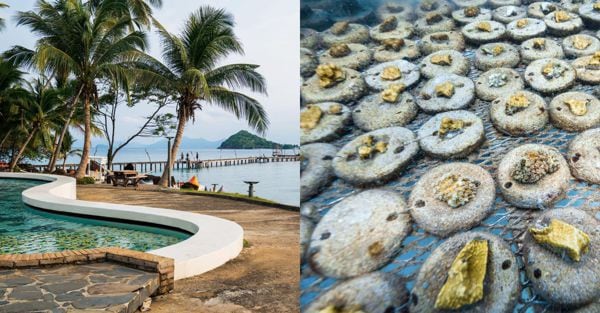
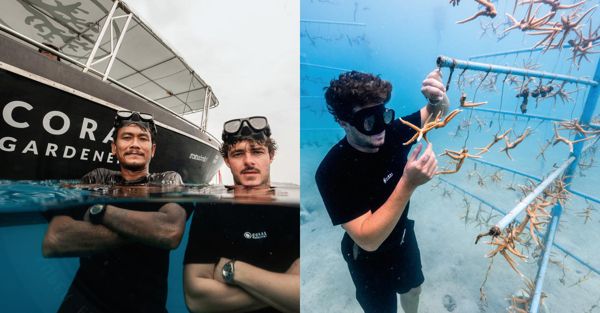
Not even five years after that first visit, Thailand is Coral Gardeners' third location and our biggest expansion project to date: we have a regional headquarters in Koh Mak, offices in Koh Kood, and employ a team of ten locals. We are trying to make local fishermen also become coral gardeners to help restore ocean life, and in the meantime we are building the first land-based coral farm on Koh Mak: this allows us to grow slow-growing species at an accelerated rate, dividing the corals into fragments and growing them in tanks: on our website you can adopt a Thai coral and follow our work.
SUMMERED PARADISE