Anguilla: a Caribbean celebration of relaxation, with beaches and lobsters
Old-world hotels, cocktails under the palm trees and long lunches overlooking the sea: exploring the island that charms with its slow pace

Key points
The most ambitious plan for a day in Anguilla is, really, simply to choose the right beach on which to laze about until sunset. There are thirty-three of them, spread across an island just twenty-six kilometres long and no more than five kilometres wide, and even a month’s holiday wouldn’t be enough to try them all. In fact, even a single week is enough to get into the swing of a way of life that seems to ignore the hustle and bustle of the modern world. This British Overseas Territory in the Lesser Antilles – a favourite honeymoon destination – retains a deeply Caribbean identity, a world away from the glamour of Saint Barth or the exclusivity of Mustique. The best time to visit is from December to June, and to get there – as there are no direct flights from Europe to its Clayton J. Lloyd International Airport – you must fly to neighbouring Saint Martin and then take a twenty-minute boat ride across the narrow stretch of sea separating the two islands.
Malliouhana’s 40th anniversary
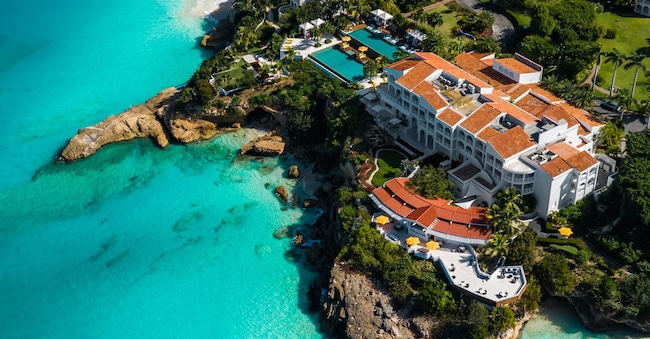
In Anguilla, nothing seems out of proportion. The streets are quiet, the towns are almost ethereal (the capital, The Valley, consists of just a handful of houses and administrative buildings) and the most famous hotels blend into the landscape without overshadowing it. It is a destination as unassuming as its people, and for this very reason it leaves an indelible impression. The Malliouhana, a pioneer among the island’s five-star resorts, has celebrated 40 years of history. The name derives from the term used by the Arawak – the ancient indigenous people – to refer to Anguilla, in reference to its elongated silhouette, resembling a ‘sea serpent’. Nestled between the two bays of Meads Bay and Turtle Cove, it seems to belong to another era of the Caribbean – the era of grand independent hotels, built before luxury became a global formula. The property possesses the elegant nonchalance of a tropical home, with that subtle patina of age that is more alluring than perfection – a character that is evident in the 63 rooms and suites, characterised by an eclectic style and vibrant colours, as well as in the private villas.
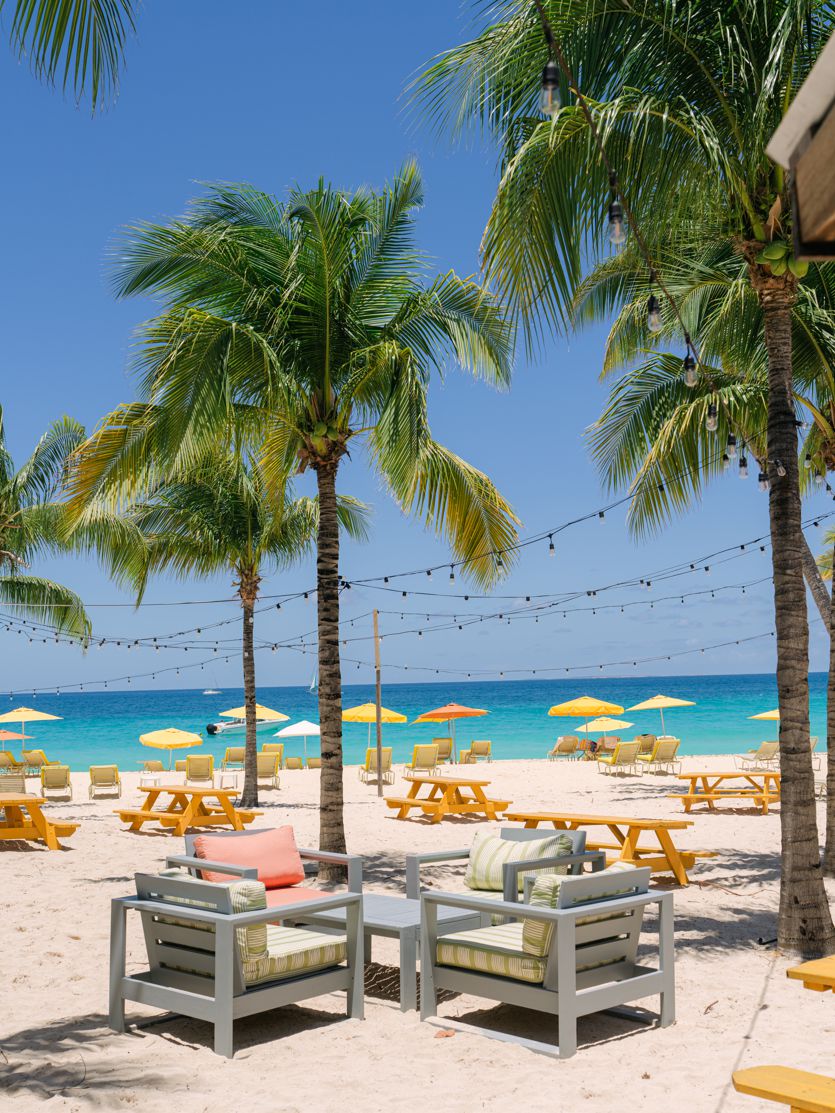
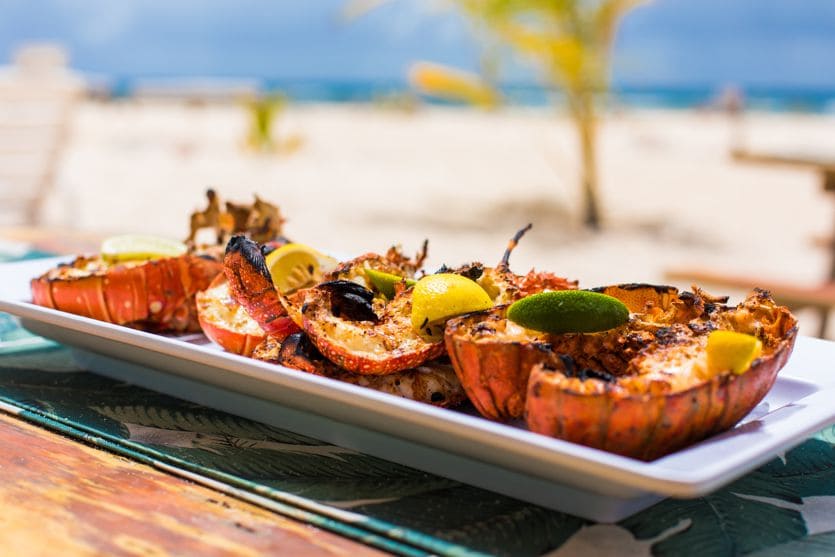
With three distinct dining venues, the culinary aspect of Malliouhana is anything but an afterthought: Celeste is the fine-dining (but not too formal) restaurant helmed by the talented Kerth Gumbs, a chef with solid technique and a creative, playful approach. Breakfast is also served at the same tables – the shakshuka comes highly recommended – with a spectacular view over Meads Bay, one of the island’s most beautiful beaches, which is directly accessible from the hotel. Here you’ll find Leon’s, a ‘feet-in-the-sand’ restaurant serving Caribbean specialities with an Asian twist, which organises ‘Sunday Funday’ every Sunday – an event that, with live music, cocktails and a barbecue (a favourite pastime of the Anguillians), attracts many tourists and locals alike. Finally, there’s Bar Soleil, ideal for a snack and a drink after a dip in one of the two infinity pools.
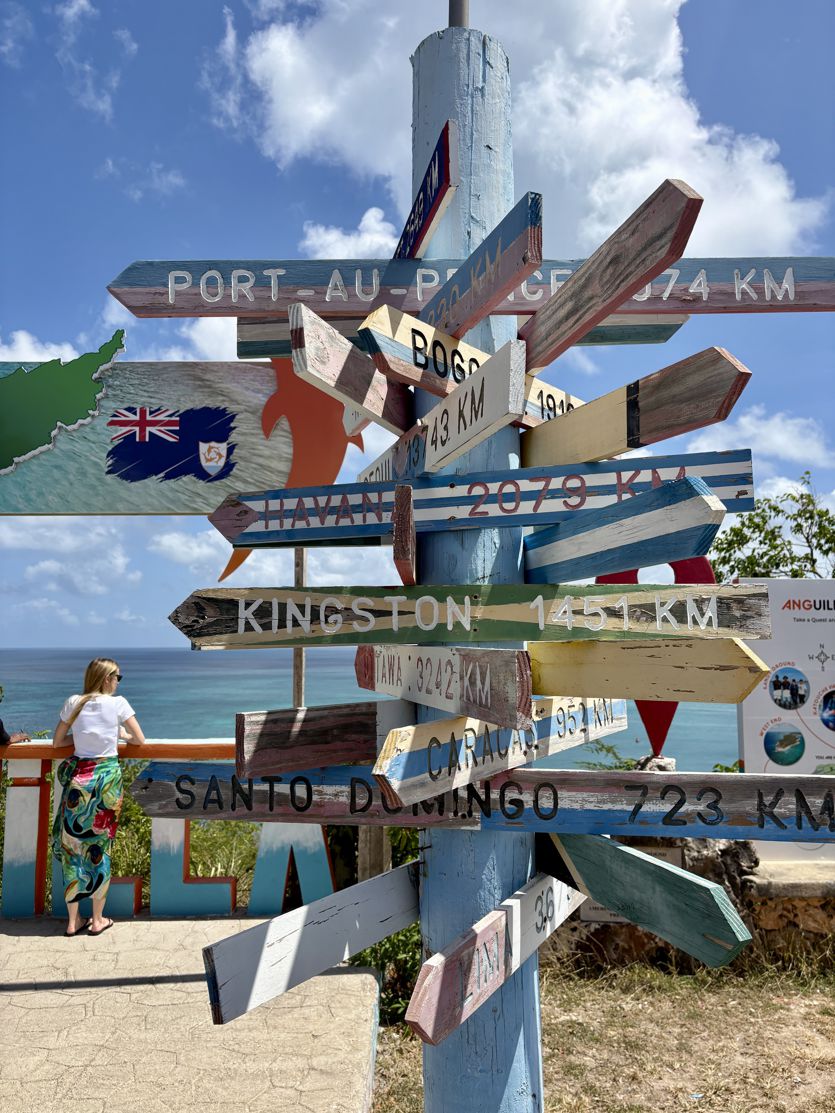
On the beaches of Maundays Bay
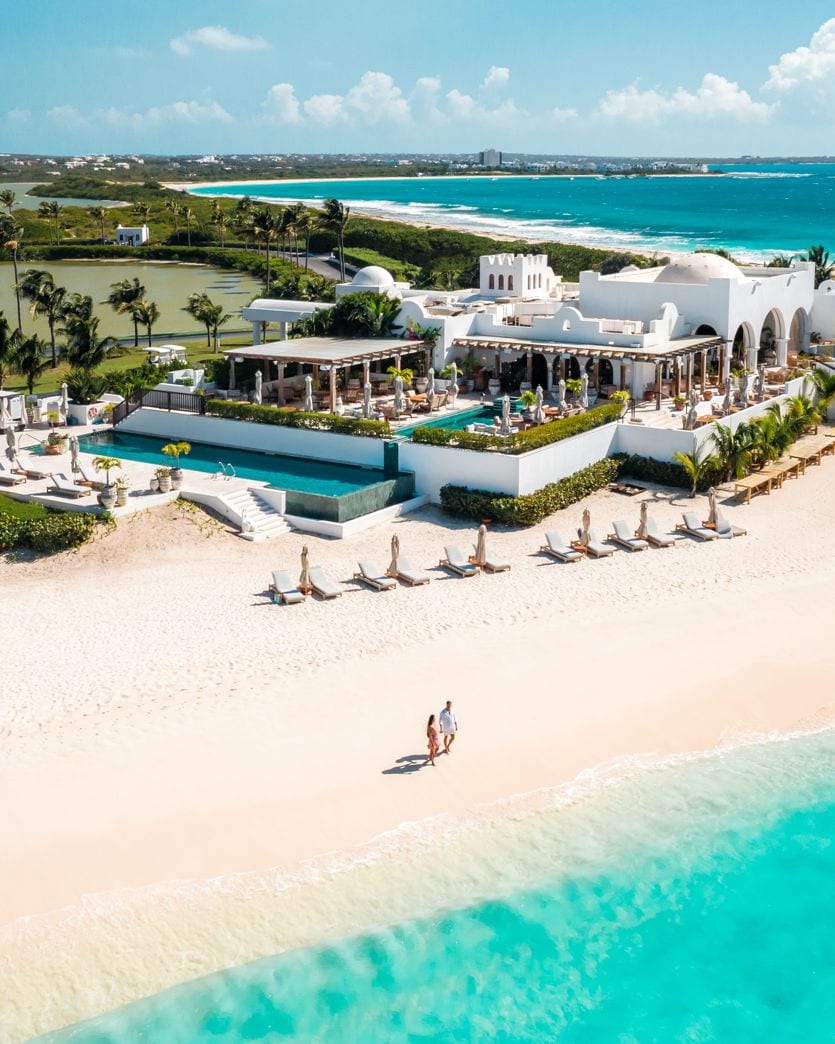
The world of luxury hospitality is rich and multifaceted. Belmond Cap Juluca is another idyllic resort in Moorish style, overlooking the pristine, unspoilt Maundays Bay. Its key strengths are undoubtedly its spacious surroundings, its refined culinary offerings – ranging from the Peruvian restaurant Uchu to the casual Italian eatery Cip’s by Cipriani – and the Guerlain-branded spa. For sports enthusiasts and families, the Aurora Anguilla Resort & Golf Club offers a spectacular 18-hole course designed by Greg Norman, as well as a water park.
Those looking for adrenaline-fuelled experiences in Anguilla might well find themselves a little bored, as the days are filled with swimming, reading and long, carefree lunches overlooking the sea: you can drive the length of the island in half an hour, parking is never a problem, and all the most famous beaches – from Shoal Bay to Rendezvous Bay – retain the rare privilege of being almost deserted.