Eicma 2026: the spotlight is on electric microcars and quadricycles. The models, brands and features
It wasn’t just motorbikes; there were also some eye-catching four-wheeled solutions, ideal for urban travel, which found their place at an event that has always focused on two-wheelers

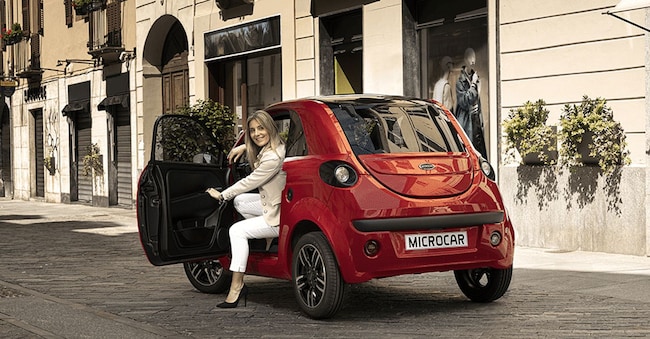
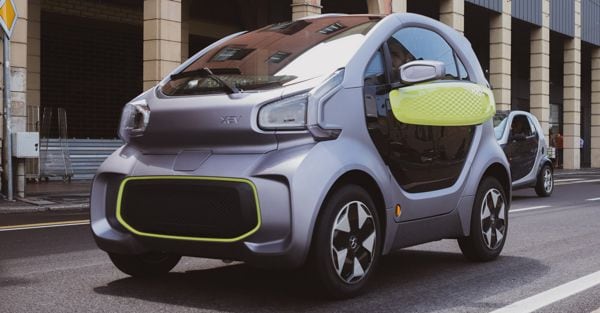
Eicma 2026: not just two-wheelers. This year’s edition, the largest ever, also features microcars and quadricycles – the bridge between two and four wheels – but above all the ideal means of transport for city use, even for 14-year-olds. The new L6e and L7e categories aim to move beyond the spartan and minimalist image of the microcar thanks to more refined interiors, air conditioning, safety systems, connectivity and features that increasingly resemble those of proper cars. An ideal solution for city life, given their compact size and low fuel consumption, as well as easier parking and, in the case of electric versions, zero emissions. A choice halfway between cars, scooters and the new urban mobility. This is precisely why both microcars and quadricycles have found a place at an event focused on two-wheelers.
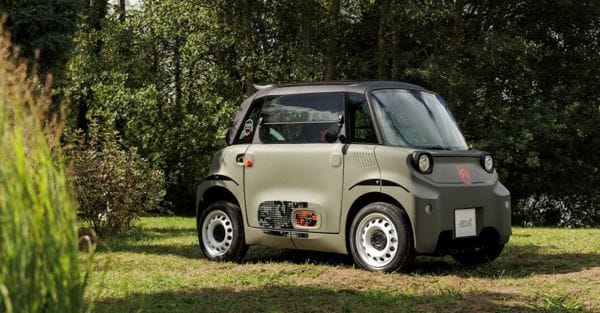
Citroën Ami Outdoor, the adventurous
The French-made Ami Outdoor, whilst retaining the formula that made it famous – with just two seats, a range of 45 km, a 5.5 kWh battery rechargeable from a standard domestic socket and a 14-year driving life – has returned to Eicma 2026 with a completely different look, featuring a body finished in Khaki Green, white steel wheels, bespoke graphics and a rear spoiler. The other real innovation is the sunroof, featured for the first time on a closed, door-equipped Ami – a feature previously exclusive to the Ami Buggy.
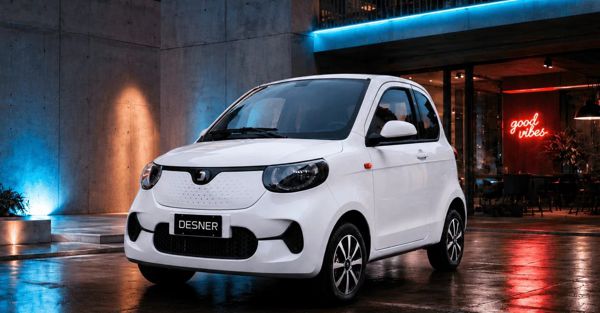
Desner T30, almost a car
Desner, on the other hand, is focusing on the gradual transition of the quadricycle to a car-like vehicle.
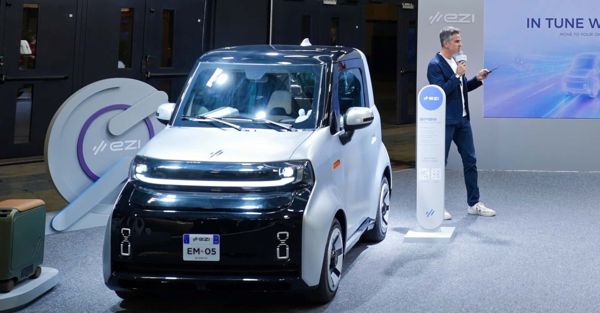
The brand, which specialises in electric microcars, is in fact unveiling the T30 at Eicma 2026 – the new L6e model designed for those aged 14 and over who hold an AM licence. The dimensions are typical of a quadricycle, but the specifications tell a different story: 2.92 metres long, 1.50 metres wide, weighing 417 kg, with two seats and three doors. It has rear-wheel drive, and the permanent-magnet synchronous motor delivers a rated power of 5 kW and a peak power of 14 kW, with 75 Nm of torque. The 8 kWh battery provides a range of up to 150 km. A full charge takes around eight hours from a domestic socket, or can be carried out using an adapter at public charging points. The real surprise, however, lies in the equipment: airbags, air conditioning, a 7-inch LCD display, a rear-view camera, electric windows and central locking with remote control are features that allow the T30 to go beyond the concept of a simple, basic microcar. Desner is also exhibiting the Y300 MY2027, an L7e quadricycle that can be driven from the age of 16 with a B1 driving licence.
Liux Big, made from flax fibre
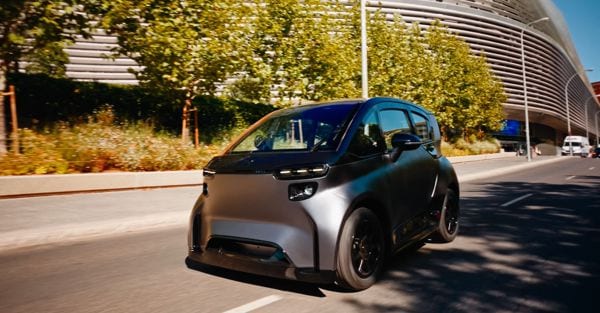
Among the interesting offerings at Eicma 2026, Liux – the Spanish brand that has chosen Milan to present its first production vehicle, the Big, to the Italian public – deserves a mention of its own. This is not simply another electric microcar, but a project that seeks to address one of the most important – and often least visible – aspects of the automotive industry: the materials used to build a vehicle. The Liux Big is an L7e quadricycle, approximately 2.7 metres long, with two seats and a 240-litre boot. It weighs 648 kg, including the batteries. It can reach a top speed of 90 km/h, whilst the electric motor can deliver a peak power output of 35 kW – equivalent to around 47 cv – and a torque of 140 Nm. The bodywork utilises a biocomposite made from natural flax fibre, used to create a lightweight yet durable monocoque. According to the Luux brand, this solution reduces the weight of the structure by around 40 per cent compared to an equivalent steel component and cuts CO₂ emissions associated with production by 61 per cent.