Eight start-ups selected to accelerate innovation in Biella with MagnoLab
The Texploration call involved 70 companies on open innovation projects for a sector at high risk of deindustrialisation in Italy
2' min read
2' min read
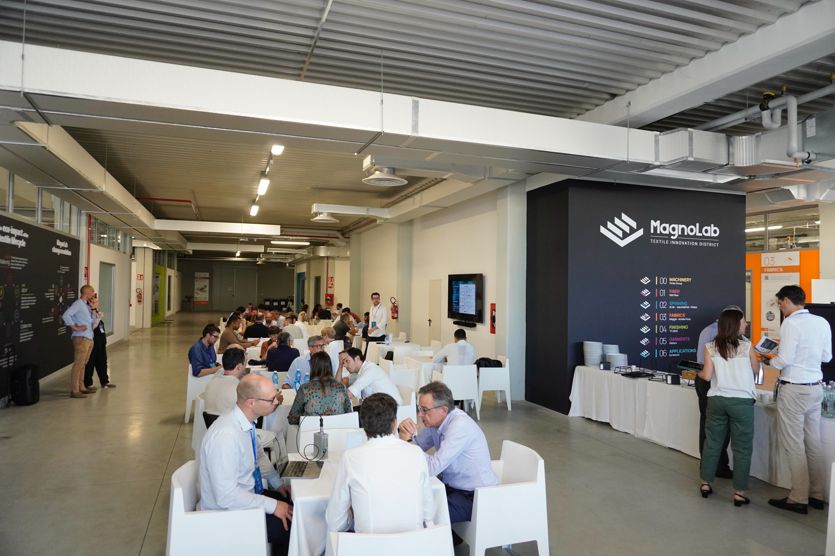
Eight start-ups have been selected as part of Texploration, the initiative launched by Magnolab, the Biella innovation hub dedicated to the textile sector. The project, which is also supported by Confiondustria and the Piedmont Region, is now in full swing, with the aim of developing innovative sustainable solutions capable of increasing the competitiveness of companies in the entire textile supply chain, which, for their part, are making their know-how available.
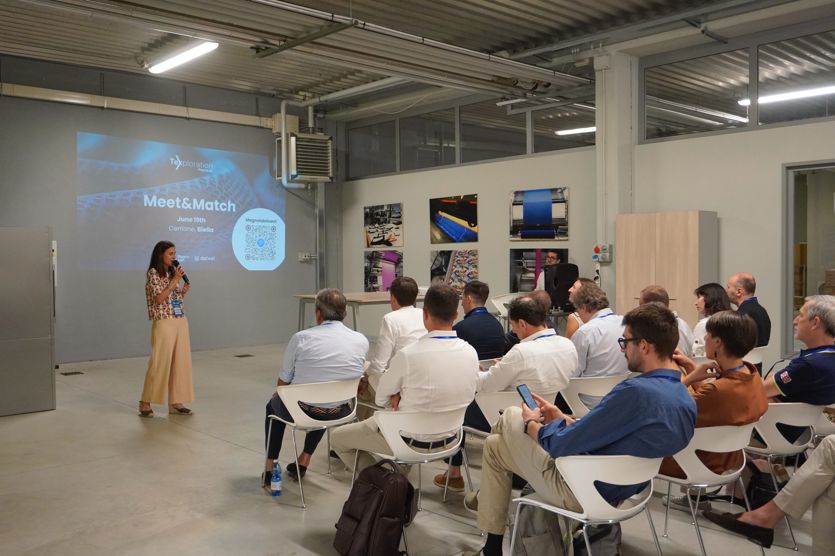
A total of 70 companies applied for Texploration, an open innovation project set up by MagnoLab, a network of companies for innovation in the textile supply chain based in Magnonevolo, in the Biella region of Italy, and implemented by dpixel, the division of Fintech District that works on projects for the growth of start-ups and business innovation, with Sellalab, the Sella Group's innovation impact platform, as Ecosystem Partner.
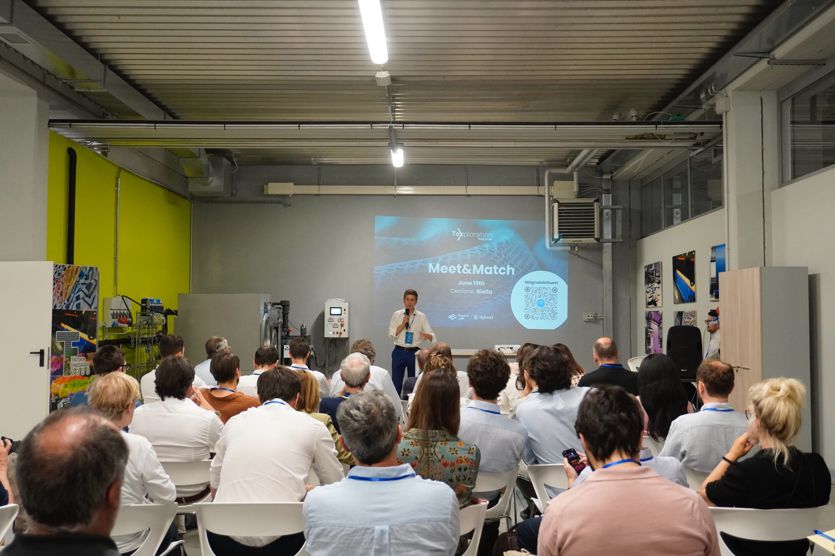
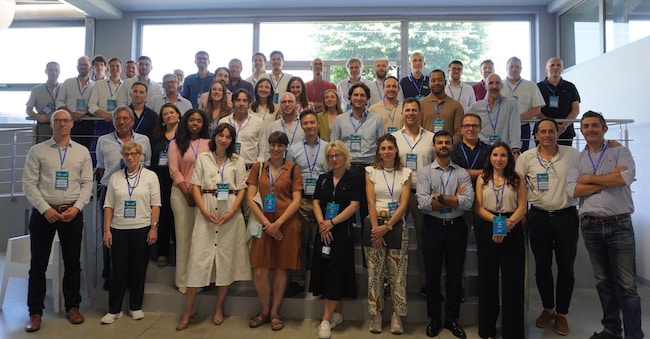
The Texploration call was aimed at start-ups, scale-ups and innovative SMEs capable of developing new solutions for the textile industry, solutions in any case based on an analysis of the needs of 10 of the companies in the network (Canalair, Dbt Fibre, De Martini, Di.Vé, Filidea, Maggia, Marchi&Fildi, Pinter Group, Stamperia Alicese and Tintoria Finissaggio 2000). Around forty young Italian companies took part in the initiative, while the most represented foreign countries were the United Kingdom, the United States and Turkey, with applications also arriving from Norway, Greece, France, Portugal, Croatia, Germany, Spain, the Czech Republic, Finland, Iceland and Poland.
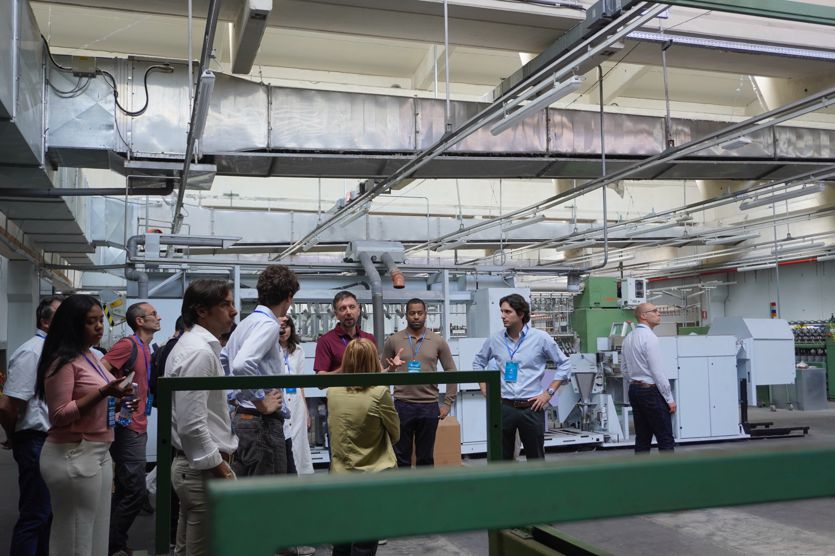
Among the projects selected in Texploration are work on energy management, the use of Artificial Intelligence to optimise the supply chain, and technologies for reducing consumption and the use of recyclable and biodegradable materials. Among the selected start-ups is Sylfib, which integrates the production of spinning ropes by providing bio-macerated, chemical-free, traceable and high-performance fibres, and will work on a project with Marchi&Fildi.
PETER has developed technology to produce polyester garments made from 100 per cent recycled PET, through depolymerisation and purification to obtain virgin monomers that can be further repolymerised into new polyester. It will work with Filidea. Aracne Textile Solutions, on the other hand, has developed a system that can detect fabric defects in real time, minimising production errors.