
Elections in Tuscany, the wide field bets on Giani's encore after the defeats in Marche and Calabria
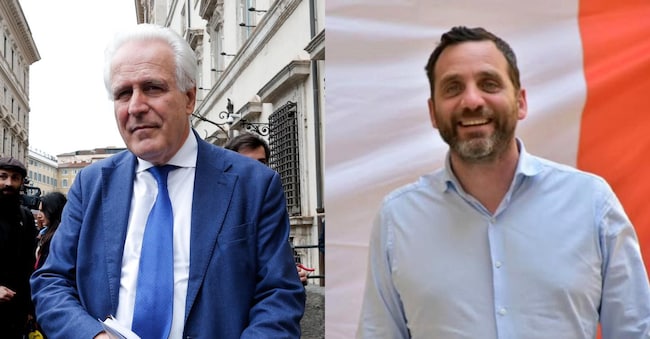
The challenge is between the outgoing centre-left president Eugenio Giani (Pd) seeking reconfirmation (supported by Pd, M5S, Avs and Casa riformista, the fourth leg of the wide field, without Action) and the centre-right candidate Alessandro Tomasi (FdI), mayor of Pistoia. With the former by far the favourite according to the polls. Polls open on 12 and 13 October
3 million Tuscans will be called to the polls for the regional elections on 12 and 13 October. Among the voters registered on the lists, there are over 17,000 18-year-olds and 203,000 Tuscans living abroad. The unknown factor of turnout will weigh heavily. Since 1970, the year in which the Regions were established, turnout at the regional elections has fallen from 95.9% to 48.28% in the 2015 elections, the lowest figure ever and the first time with less than half of the voters, to then rise to 62.6% in the 2020 round. Voting will take place Sunday from 7am to 11pm and Monday from 7am to 3pm
Candidates on the track
The challenge is between the outgoing centre-left president Eugenio Giani (Pd), seeking reconfirmation (supported by Pd, M5S, Avs and Casa riformista, the fourth leg of the broad camp, without Action) and the centre-right candidate Alessandro Tomasi (FdI), mayor of Pistoia, with the former by far the favourite according to the polls. There is a third candidate in the running, Antonella Bundu, already a city councillor, for the left-wing Toscana Rossa list (which brings together Rifondazione Comunista, Potere al Popolo and Possibile).
Disparate vote
A differenza della maggior parte delle altre regioni dove non c’è una soglia e vince sempre al primo turno il candidato presidente che ottiene più voti, Toscana è previsto un ballottaggio se nessuno dei due candidati prende almeno il 40% dei voti (la data eventuale è il 26 ottobre). Tracciando un segno su una lista si esprime un voto per quella lista e per il candidato presidente ad essa collegato. Tracciando un segno solo su un candidato presidente si vota solo per questo candidato, senza esprimere alcun voto alle liste. Si può anche dare un voto disgiunto. Scegliere cioè un candidato presidente e poi una lista che risulta collegata ad un altro candidato presidente. In questo caso vale sia il voto per il candidato presidente che quello per la lista prescelta. Sono previste tre sono le soglie di sbarramento: 10% per le coalizioni, 3% per le liste all’interno di coalizioni e 5% per le liste singole.
Tensions in the wide field
On the eve of the vote, there were tensions in the wide field, with a meeting between Giuseppe Conte and Eugenio Giani fixed only on the last day of the electoral campaign. Not on the main stage of the five stars in Florence where, late Friday afternoon, leader Conte went up alone, but a few hours earlier, in Scandicci, in the hinterland. The mediation was closed during a long and dense face-to-face meeting at the Chamber between Elly Schlein and Conte himself, after the news of the exclusion of the Dem governor, who was re-elected, from the Movement's initiative had created irritation among Tuscan democrats (and not only). Previously Giani had reported that he had never been contacted by Conte.
The Vanquished League 'weighs in'
On the other front, the vote in Tuscany will be an important test for the 'vannaccizzata' League. In the Carroccio, all eyes are on the result of the list and on the so-called 'Vannacci effect': whether or not it will really boost consensus. The deputy secretary was also the coordinator of the Lega Nord campaign in the area, and he made the best of the situation in the composition of the lists, imposing his faithful Massimiliano Simoni on the blocked list and choosing the majority of the front runners, with tensions with Susanna Ceccardi, former candidate for governor, MEP and reference point for the party in the area. And farewells to the party in controversy with General


