
Electoral law: gender parity proposed as a way to break the deadlock over preferential votes
The parliamentary debate is centred on a possible amendment to ensure gender balance among the candidates, whilst the opposition parties remain steadfast in their rejection of the current proposals.

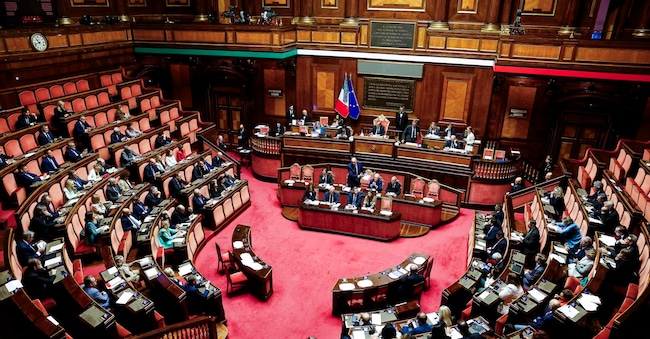
No change is holding up. The opposition parties are announcing a battle over the Electoral Law in the Senate as well. Further debates on preferential votes are expected there, as Noi Moderati has already stated that it will table an amendment to introduce them. Of course, the chaos in the Chamber of Deputies – with the rejection of the bill also backed by FdI – has set a precedent. So much so that the President of the Senate, Ignazio La Russa, has spoken of a formula offering greater guarantees on gender parity. But the ‘Campo Largo’ coalition remains deadlocked: ‘They seem very confused and at loggerheads with one another. We are still dealing with inadmissible proposals,’ said Senator Alessandro Alfieri, the PD’s head of reforms. And Angelo Bonelli, of AVS: ‘For us, this law is unamendable.’
Salvini: I hope we can win back the votes
Although the majority does not seem inclined to press the issue too hard, the matter will return to the agenda: “‘I hope we can revisit the issue of preferential voting, which was rejected by a unanimous vote from the left, with some members of the centre-right abstaining,’ said the secretary of the Lega Matteo Salvini. ‘The Electoral Law will return to the Senate; we’ll see if there are grounds to improve it.’
Guarantees for women on the list
The proposal rejected by the Chamber of Deputies provided for ‘locked’ list-toppers – that is, candidates nominated by the parties – and preferential votes for the selection of the other candidates. One of the criticisms levelled by the opposition – and others besides – concerned the lack of mechanisms to ensure gender balance amongst those elected. In recent days, in an interview with *Corriere*, the President of the Senate Ignazio La Russa offered the following reflection: ‘I, perhaps, would have envisaged that 50 per cent of the reserved candidates would be women’. Following that suggestion, work was reportedly set to begin on exploring the possibility of revising the amendment that had been rejected by the Chamber of Deputies. But the opposition has shut the door on the idea.

